
Michigan nursing CE · RN
151 courses · 511.5 contact hours
Nursing CE for Michigan — RN
151 courses · 511.5 contact hours
Courses tied to another state are left out of this list. Check your own renewal rules first — Michigan renewal requirements.
No course in our library is recorded specifically for Michigan yet. The courses below are matched on your license.
General nursing CE (151)
Matched on your license, not on Michigan's rules. These are not verified matches for Michigan's mandatory topics — check your own renewal requirements before you count them.
 3 contact hours
3 contact hours nursing continuing education course: Nursing Informatics: Data Quality, Workflow Design and the Safety of the Systems Nurses Work In.
 3 contact hours
Build nursing skills to assess cardiovascular risk, support evidence-based prevention, monitor therapy, and teach patients how to reduce atherosclerotic cardiovascular disease risk.
 3 contact hours
This nursing continuing-education companion focuses on minors in camp settings: inclusive prearrival preparation, medication-plan clarification, symptom-based triage, heat readiness, gastrointestinal illness prevention, safe health-room practice, emergency escalation, and continuity of care.
 3 contact hours
This nursing continuing-education course was created for nurses who work alongside lawyers, sit on peer review or risk committees, are considering law school, or simply want to understand the legal machinery that surrounds their charting..
 3 contact hours
This course provides an overview of pediatric milestones, recommendations from the American Academy of Pediatrics screening for developmental and autism screening, and common childhood illnesses.
 3 contact hours
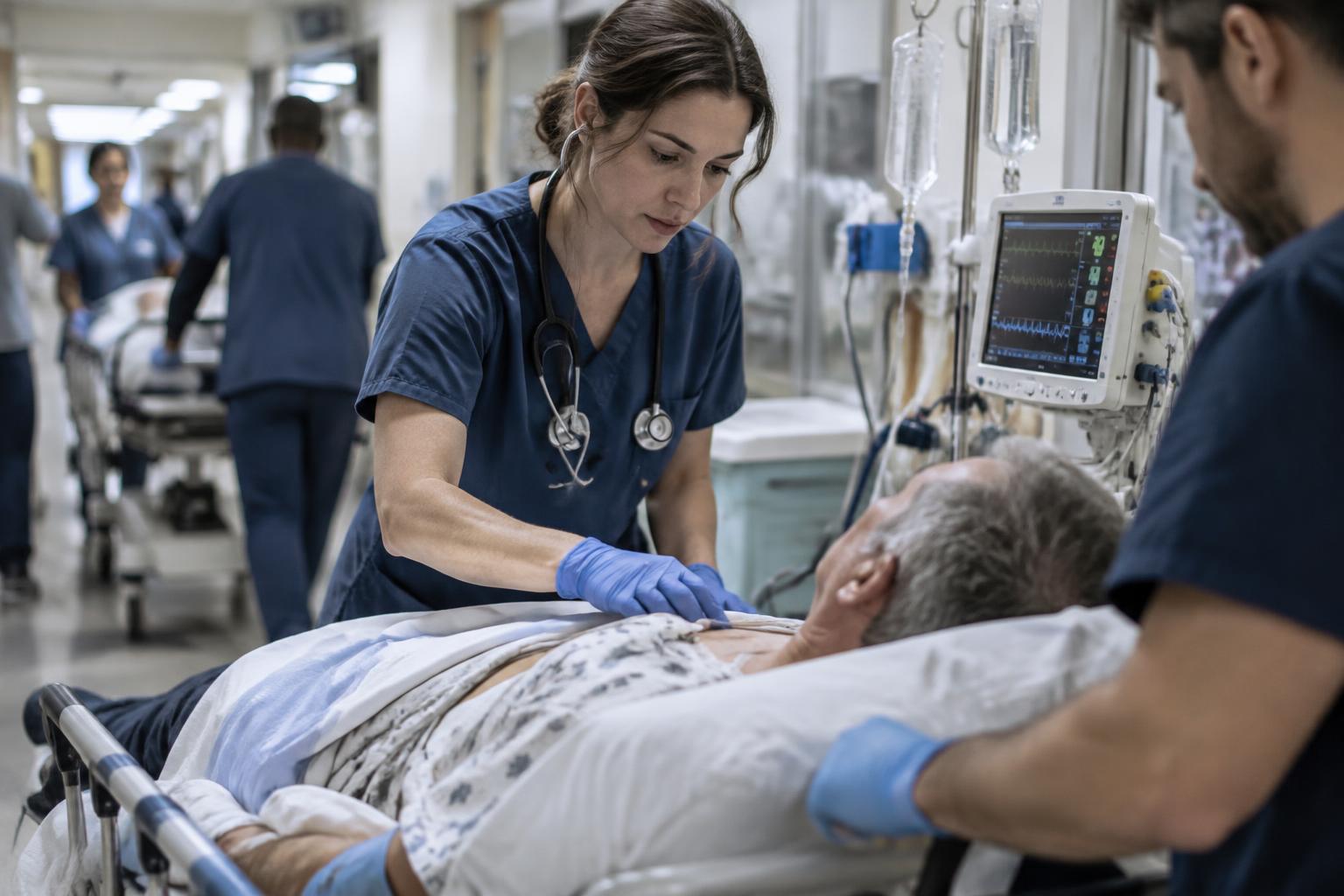
A nursing continuing-education course on emergency department practice: The hospital's federal duty to screen and stabilize anyone who presents, triage of undifferentiated presentations, time-critical recognition of stroke, heart attack and opioid overdose, the cognitive biases behind diagnostic error, and the safety consequences of crowding, boarding and disposition handoffs.
 3 contact hours
Build nursing skill in recognizing ischemic stroke, hemorrhagic stroke, TIA, and stroke mimics and initiating evidence-based emergency care.
 3 contact hours
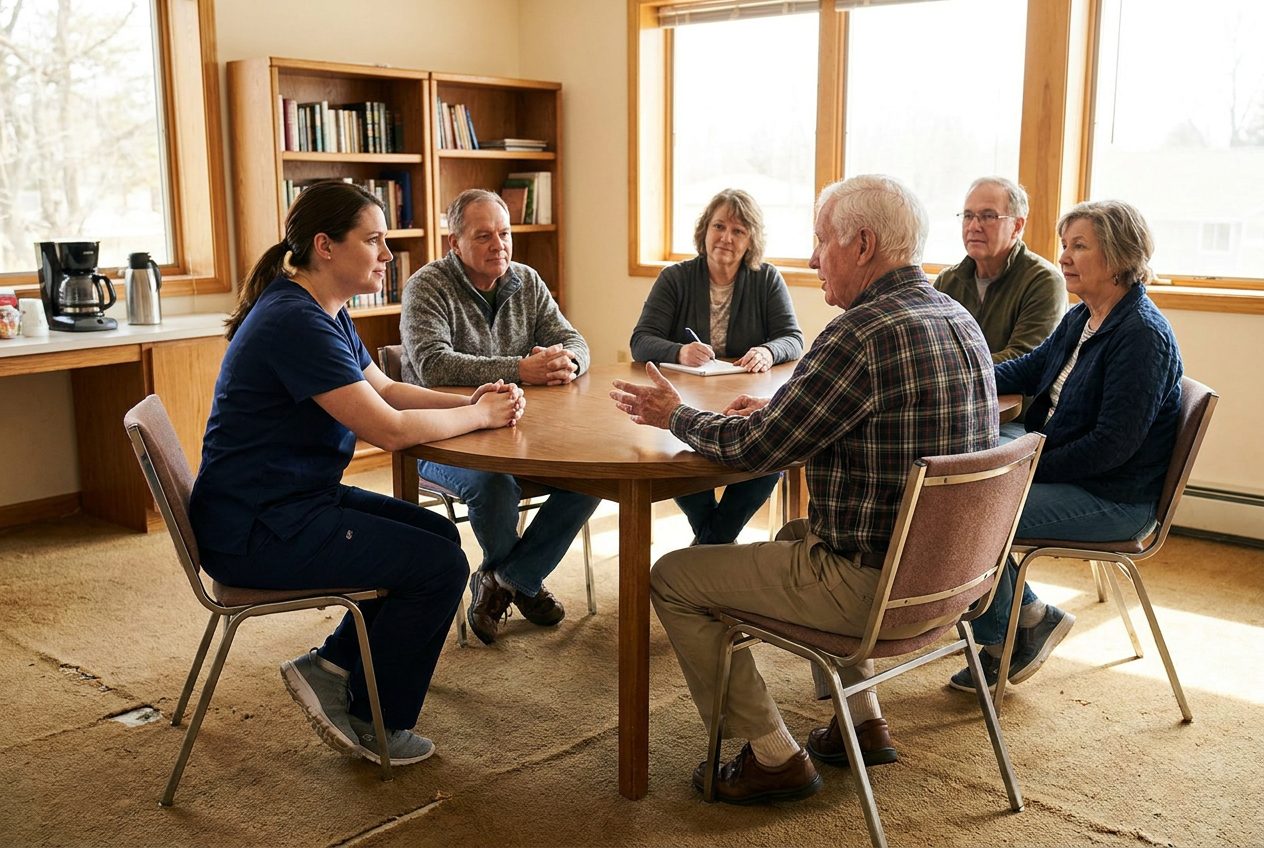
Explore the professional nursing role in faith communities, individual beliefs and preferences, accessible communication, community assessment, nursing-process planning, health teaching, referrals, and accountable service governance. Activities emphasize inclusive practice, role boundaries, partnership, and quality improvement.
 3 contact hours
A practical, evidence-based course on HIV transmission, testing, treatment as prevention, PrEP, PEP, and management of occupational exposure.
 2 contact hours
Learn to recognize possible workplace impairment, protect patients, document objective findings, report through the correct channels, and support safe evaluation and recovery.
 2 contact hours
After completing this course, nurses will be able to distinguish organ donation from tissue donation, explain living and deceased donation pathways, and describe current standards for determining death by neurologic or circulatory criteria.
 3 contact hours
3 contact hours nursing continuing education course: Renal Replacement Care: Dialysis Nursing and Patient Education.
 3 contact hours
3 contact hours nursing continuing education course: Geriatric Nursing: Function, Frailty and Person-Centered Care.
 2 contact hours
A practical nursing review of substance use disorder assessment, controlled-substance schedules, overdose response, evidence-based treatment, recovery, and stigma-free care.
 5 contact hours
5 contact hours nursing continuing education course: Hematology Nursing: Anemias, Bleeding, Clotting and Transfusion Safety.5
 3 contact hours
3 contact hours nursing continuing education course: Private Duty Nursing: Individualized Care and Home Safety.
 4 contact hours
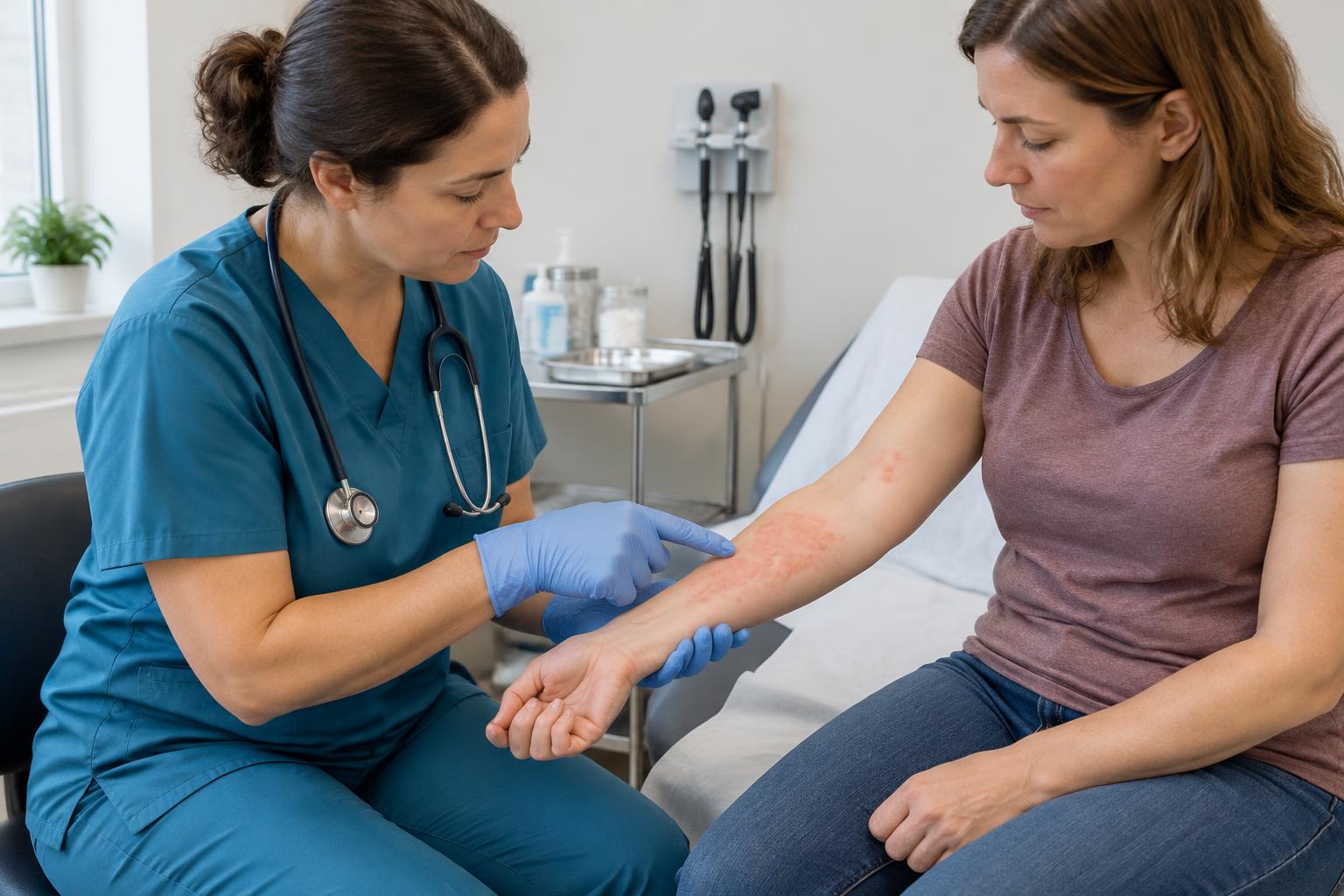
4 contact hours nursing continuing education course: Immunology and Allergy Nursing: Assessment and Reaction Recognition.
 4 contact hours
4 contact hours nursing continuing education course: Medical Case Management: Coordinating Safe and Effective Care.
 4 contact hours
Chronic obstructive pulmonary disease, or COPD, is a heterogeneous lung condition marked by persistent respiratory symptoms and airflow obstruction. The underlying abnormalities may involve the conducting airways, terminal bronchioles, alveoli, pulmonary vessels, or a combination of these structures.
 2 contact hours
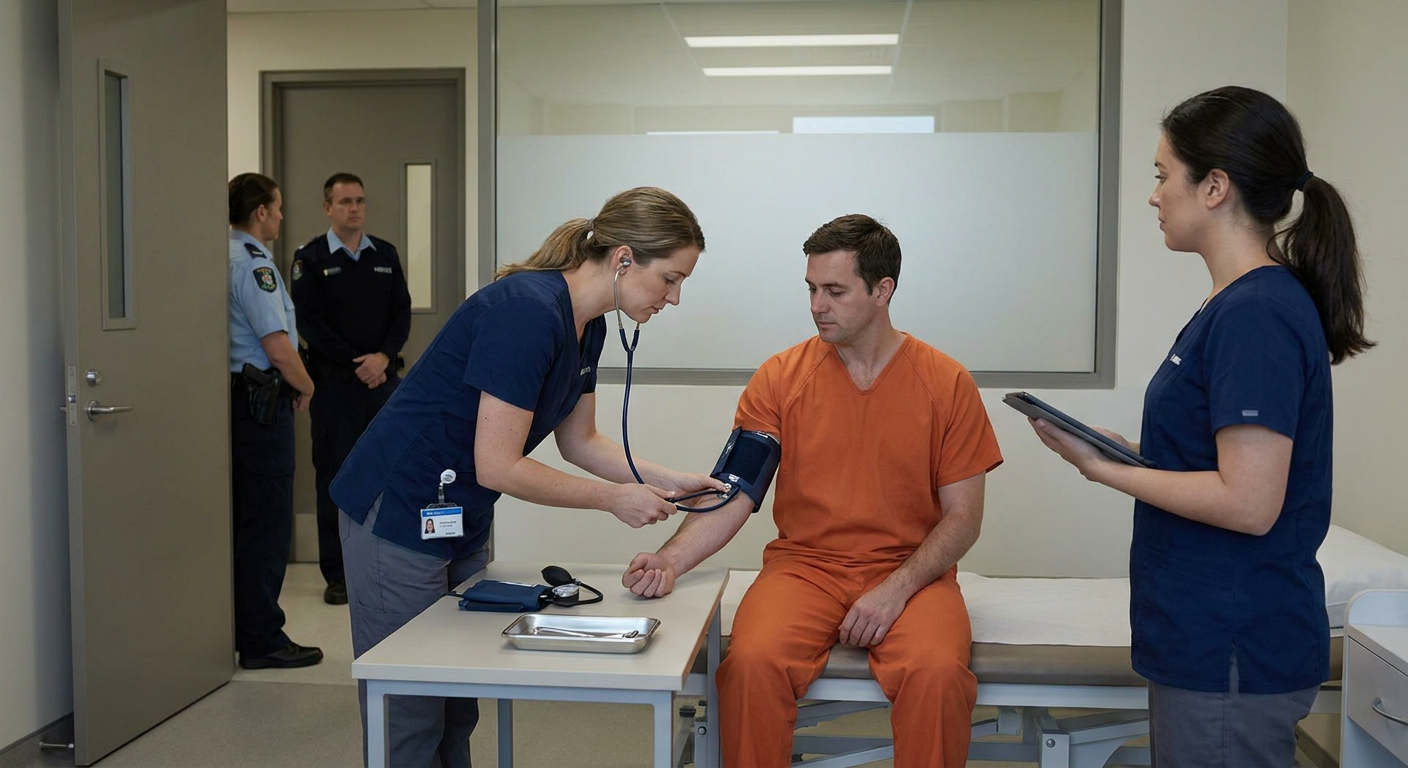
Builds practical skills for delivering ethical, timely, evidence-based nursing care while maintaining safety and professional boundaries in correctional settings.
 3 contact hours
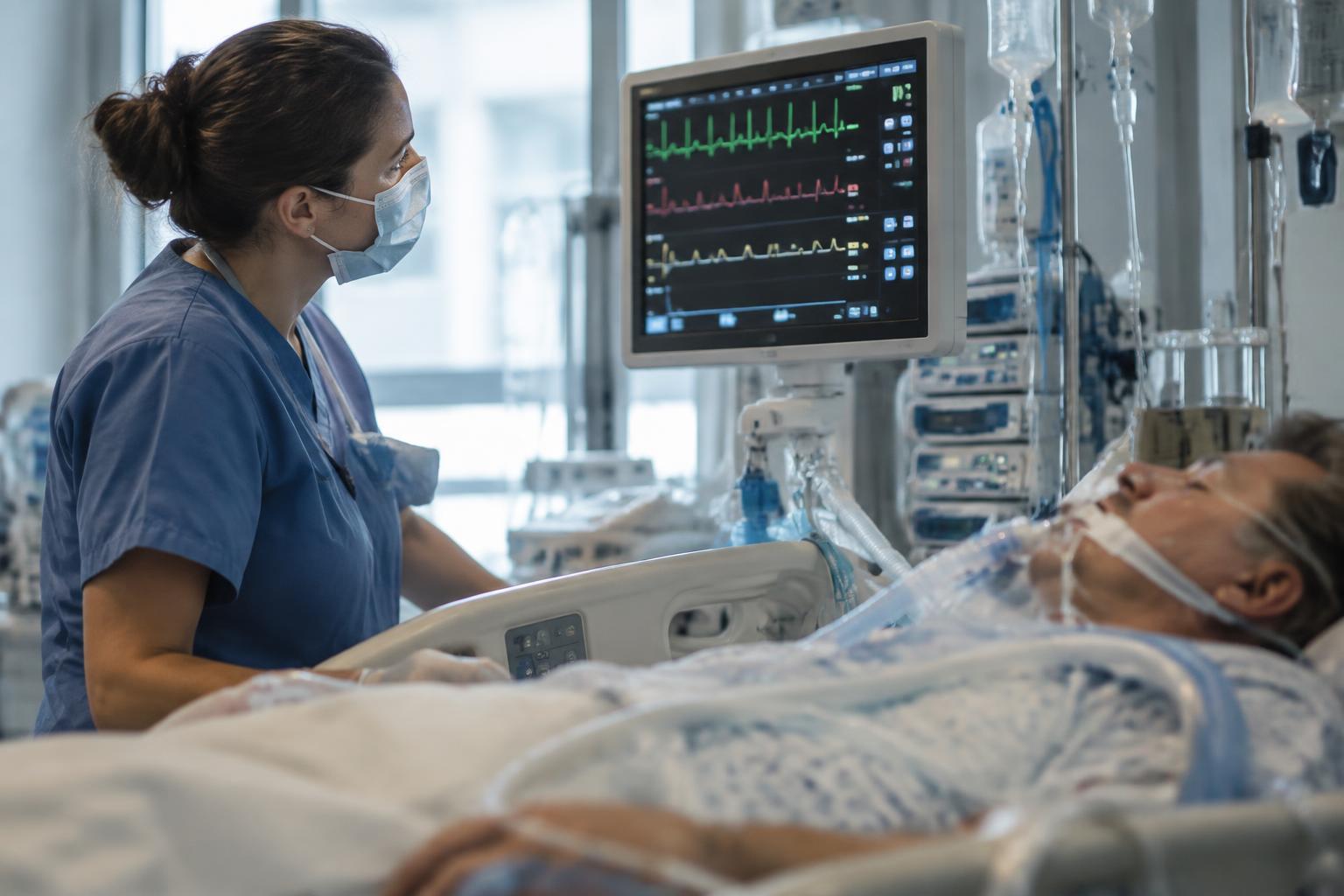
Review nursing surveillance, trends, recognition of deterioration and possible sepsis, rapid response, prioritization, alarm management, device-associated infection prevention, and handoffs. The course connects assessment and escalation with clear communication and reassessment.
 4 contact hours
This course develops nursing judgment across eight connected topics: role boundaries and handoffs; screening, preparation, and consent support; radiation protection; MRI safety; contrast administration support and adverse-event recognition; kidney-risk assessment; sedation monitoring and rescue; and care of pediatric and vulnerable patients through recovery and follow-up.
 3 contact hours
Prepares nurses to recognize family violence, provide trauma-informed care, document findings, plan for safety, and fulfill applicable reporting duties.
 3 contact hours
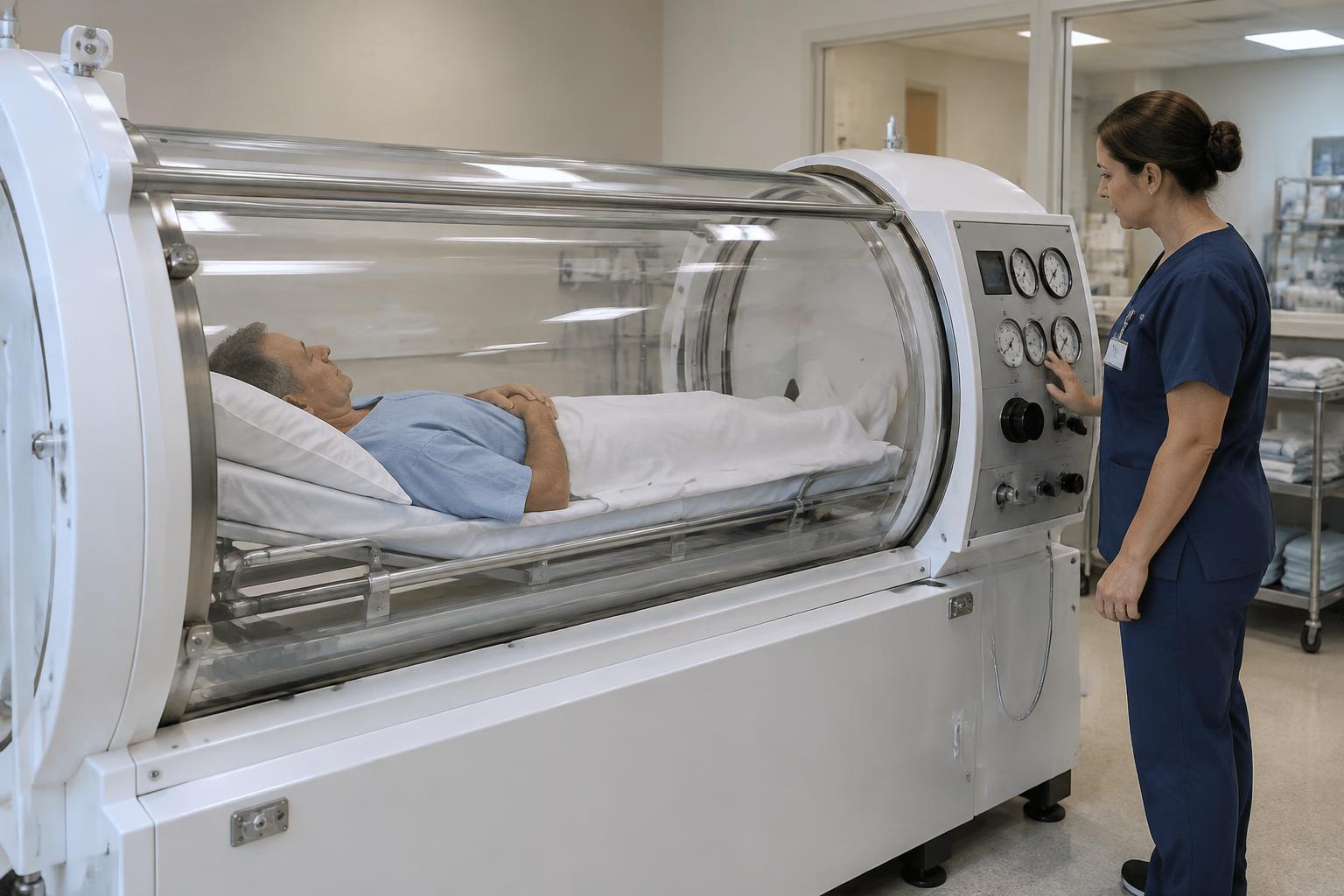
3 contact hours nursing continuing education course: Hyperbaric Nursing: Chamber Safety, Approved Indications and Patient Preparation.
 4 contact hours
This course discusses nursing assessment, escalation, education, and care-coordination skills across eight topics.
 4 contact hours
4 contact hours nursing continuing education course: Hospice and Palliative Nursing: Symptom Support and Goals of Care.
 5 contact hours
5 contact hours nursing continuing education course: Pulmonary Nursing: Respiratory Assessment and Patient Education.
 2 contact hours
Build practical skills to recognize and interrupt implicit bias in clinical decisions, communication, staffing, and systems of care.
 4 contact hours
This course teaches utilization management through eight connected topics. Assessments are optional, non-gating learning activities; all cases are illustrative rather than reports of actual patients.
 3 contact hours
3 contact hours nursing continuing education course: Correctional Nursing: Safe Care in Custodial Settings.
 4 contact hours
This course develops nursing assessment, escalation, procedural verification, reassessment, and self-management support across eight connected areas: focused assessment and dignified documentation; urinary infection; retention; catheter care; stones; incontinence and pelvic floor dysfunction; hematuria and cancer recognition; and long-term BPH, kidney protection, and survivorship coordination.
 3 contact hours
This course teaches recovery surveillance across eight connected areas: baseline assessment and escalation; infection and sepsis; pressure injury prevention and staging; impaired wound healing; venous thromboembolism; delirium versus dementia; dysphagia and tracheostomy surveillance; and integrated nutrition, mobility, telemedicine, and care transitions.
 3 contact hours
A nursing continuing-education course on environmental health practice: why exposures are missed in ordinary assessment, how to take a structured exposure history, indoor air and household hazards, carbon monoxide, radon, childhood lead, outdoor air quality, occupational heat stress and private drinking water.
 3 contact hours
This course discusses school nursing judgment in eight areas: individualized planning and whole-building prioritization; asthma; food allergy and anaphylaxis; type 1 diabetes; seizures; head injury and concussion; communicable conditions, pediculosis, and immunization records; and possible maltreatment, adolescent self-harm risk, and confidentiality.
 3 contact hours
Builds practical nursing skills to prevent medication errors through verification, reconciliation, clear communication, safe documentation, and systems-based reporting.
 3 contact hours
This course equips licensed nurses to assess burn cause, depth, extent, and location; stabilize airway, breathing, and circulation; stop the burning process; cool and cover injuries safely; and recognize inhalation injury, shock, and other high-risk findings. It also addresses escalation and referral, ordered wound and pain care, infection surveillance, nutrition, mobility, scarring, psychosocial recovery, and nursing-scope boundaries. Serious burns may impair function, scar, become infected, or require airway support, wound cleaning, skin replacement, fluids, and nutrition.
 4 contact hours
4 contact hours nursing continuing education course: Genetics Nursing: Family History, Communication and Referral.
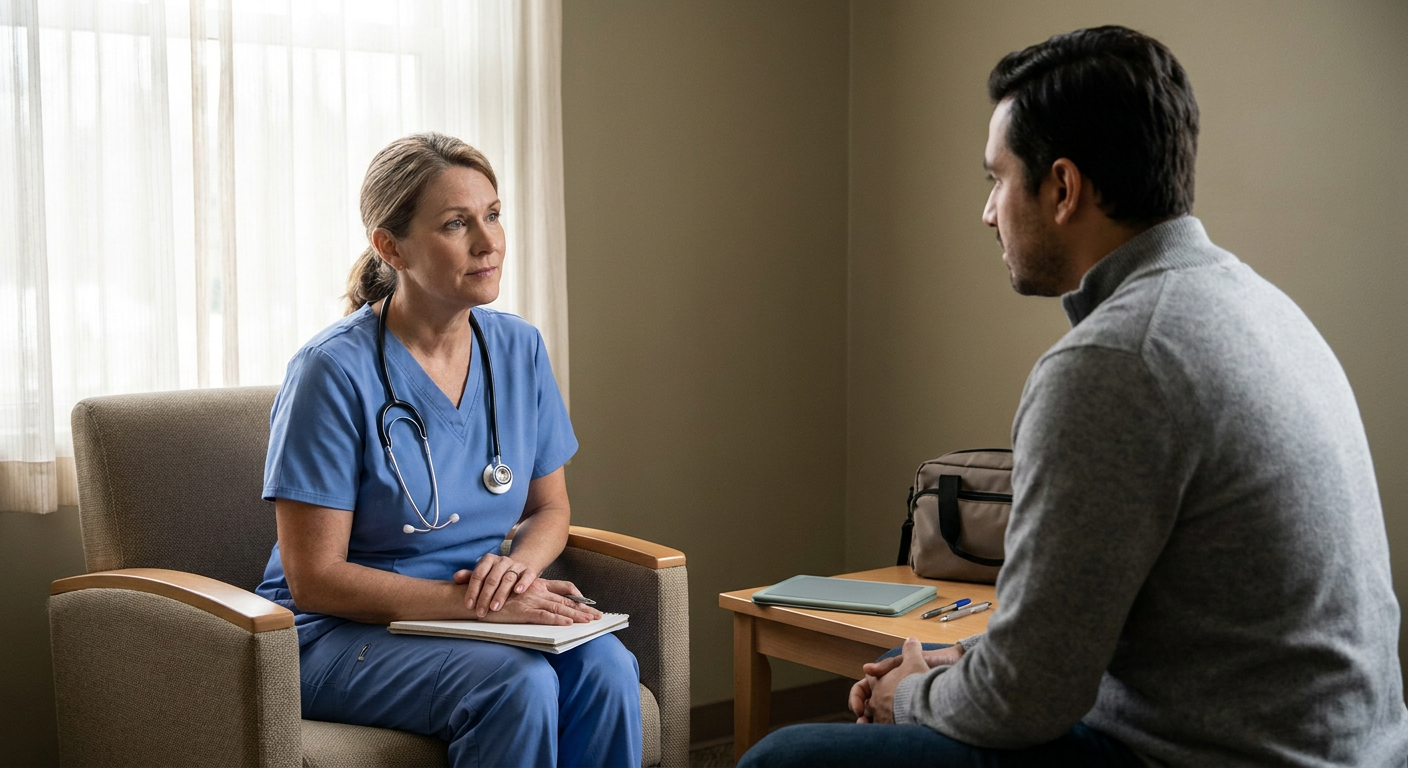 2 contact hours
Build nursing competence in recognizing, assessing, triaging, and supporting evidence-based treatment of posttraumatic stress disorder across care settings.
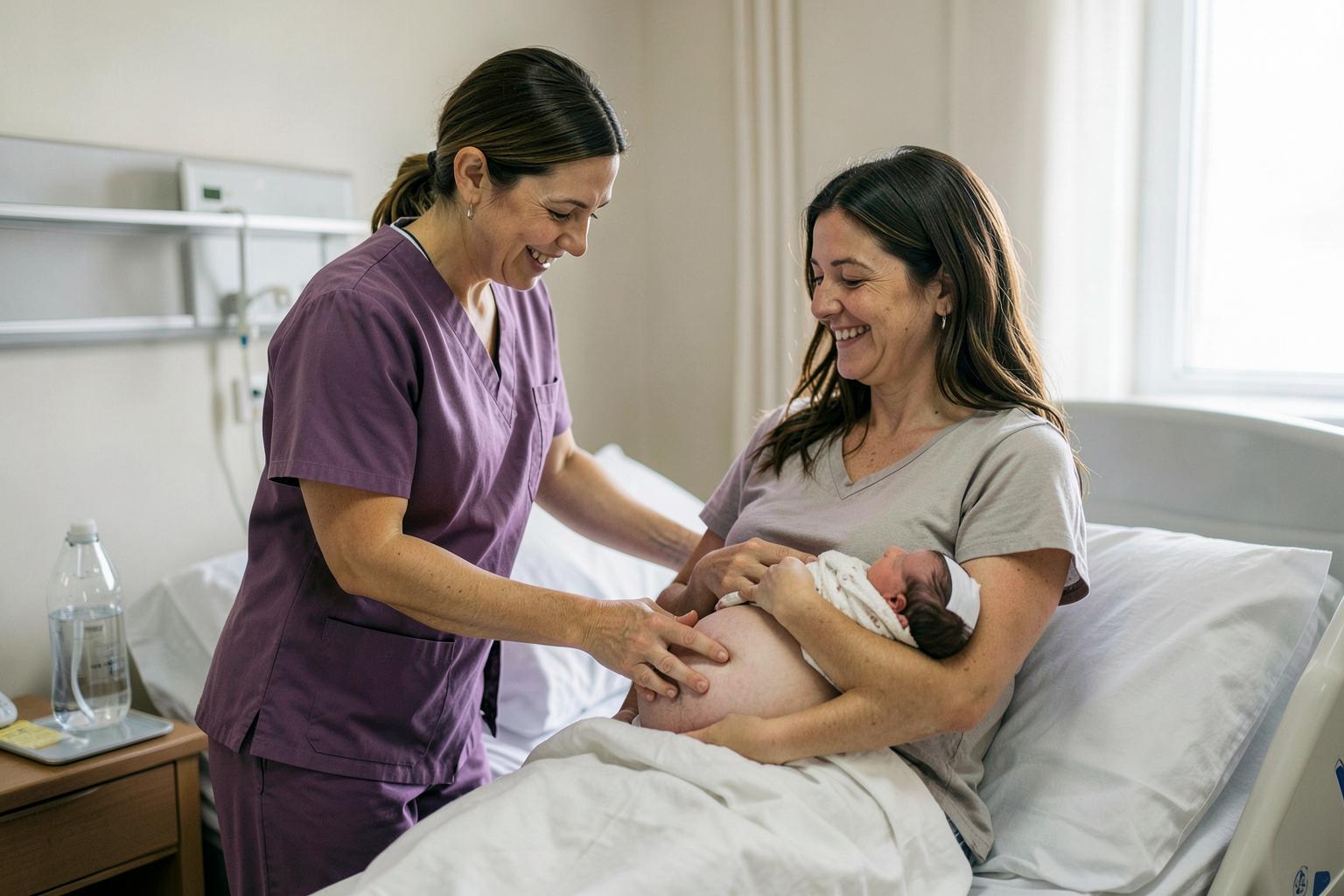 4 contact hours
4contact hours nursing continuing education course: Maternal-Child Nursing: Family-Centered Care Across the Postpartum and Newborn Transitions.
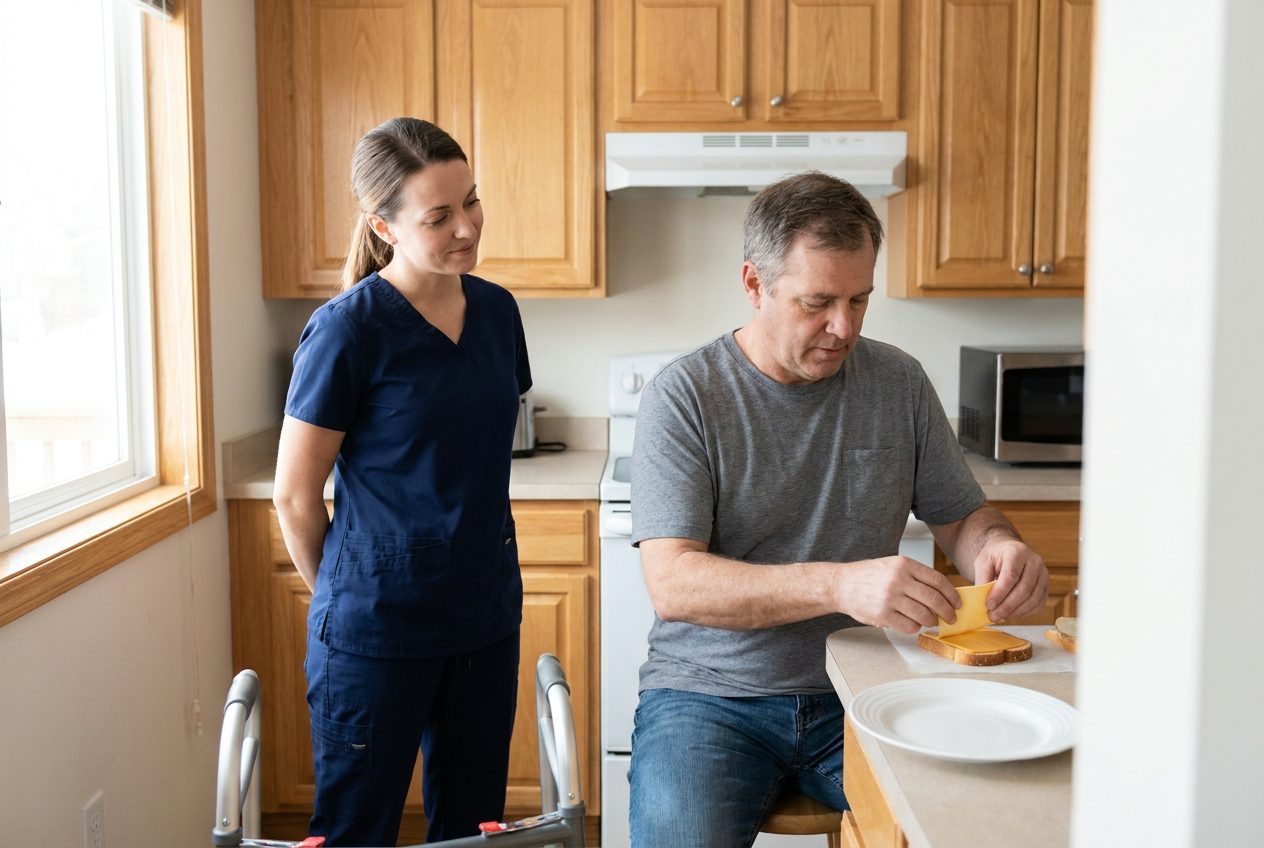 3 contact hours
3 contact hours nursing continuing education course: Rehabilitation Nursing: Function, Participation and Recovery.
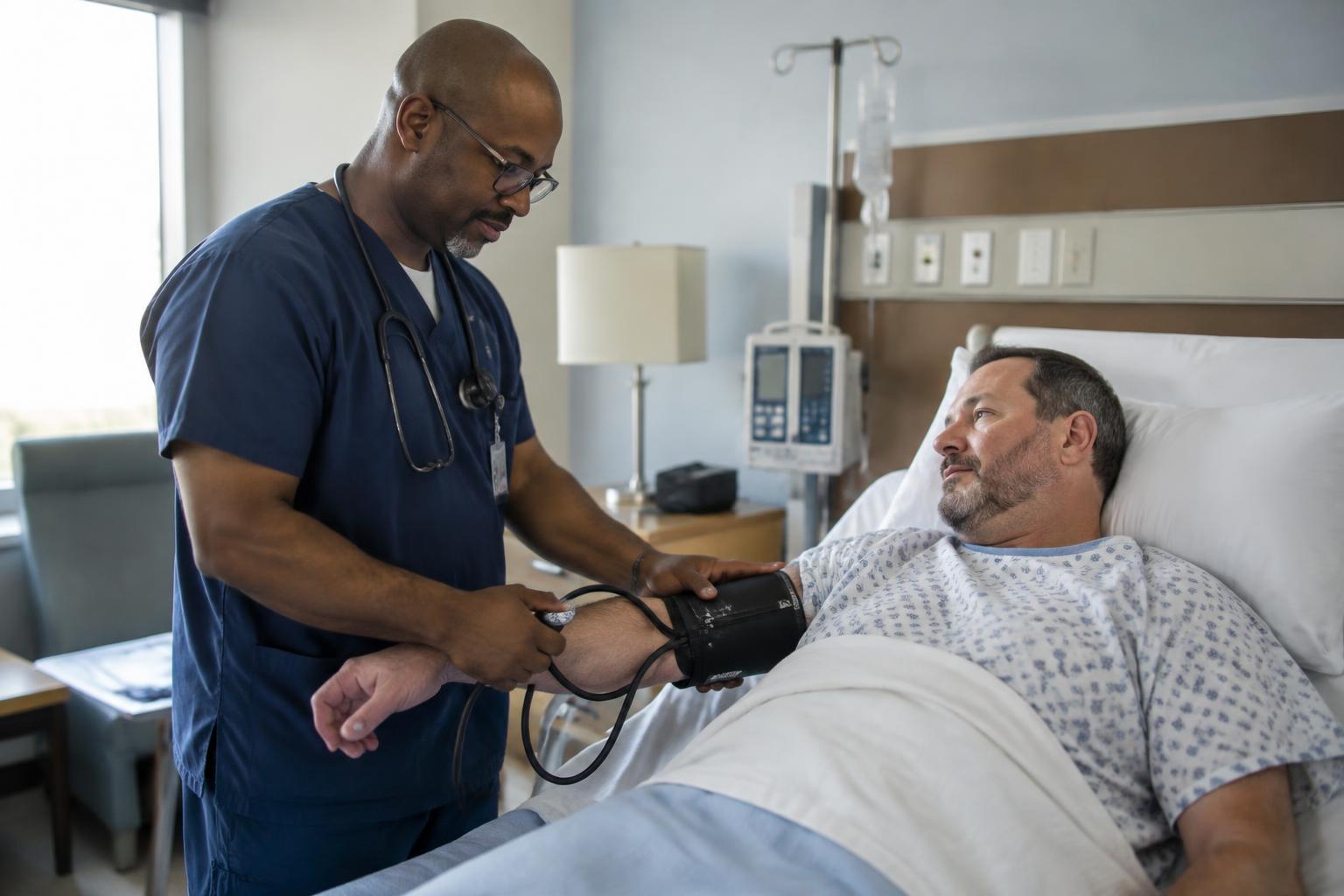 4 contact hours
Prepare nurses to recognize, assess, monitor, and safely manage alcohol withdrawal while preventing complications and supporting ongoing treatment.
 4 contact hours
4 contact hours nursing continuing education course: Transplant Nursing: Monitoring, Education and Long-Term Care.
 4 contact hours
Build nursing competence in recognizing, escalating, and managing preeclampsia, eclampsia, and HELLP syndrome during pregnancy and postpartum.
 6 contact hours
Build practical nursing skills to identify suicide risk, complete a focused assessment, protect patients from immediate harm, and coordinate evidence-based care.
 3 contact hours
3 contact hours nursing continuing education course: Military and Uniformed Services Nursing: Service History, Deployment-Related Health and Trauma-Informed Care.
 4 contact hours
Review postanesthetic recovery and assessment, airway and respiratory monitoring, residual neuromuscular blockade, nausea and vomiting, temperature concerns, delirium, pain, and handoff. The course examines recovery scores alongside the patient's overall condition and discharge-readiness considerations.
 3 contact hours
This course supports nursing preparation, intraprocedural surveillance, access-site recovery, complication escalation, and transition planning for cardiac intervention patients. It emphasizes medication reconciliation, meaningful consent verification, contrast-risk communication, sedation surveillance, and continuity of the procedural plan.
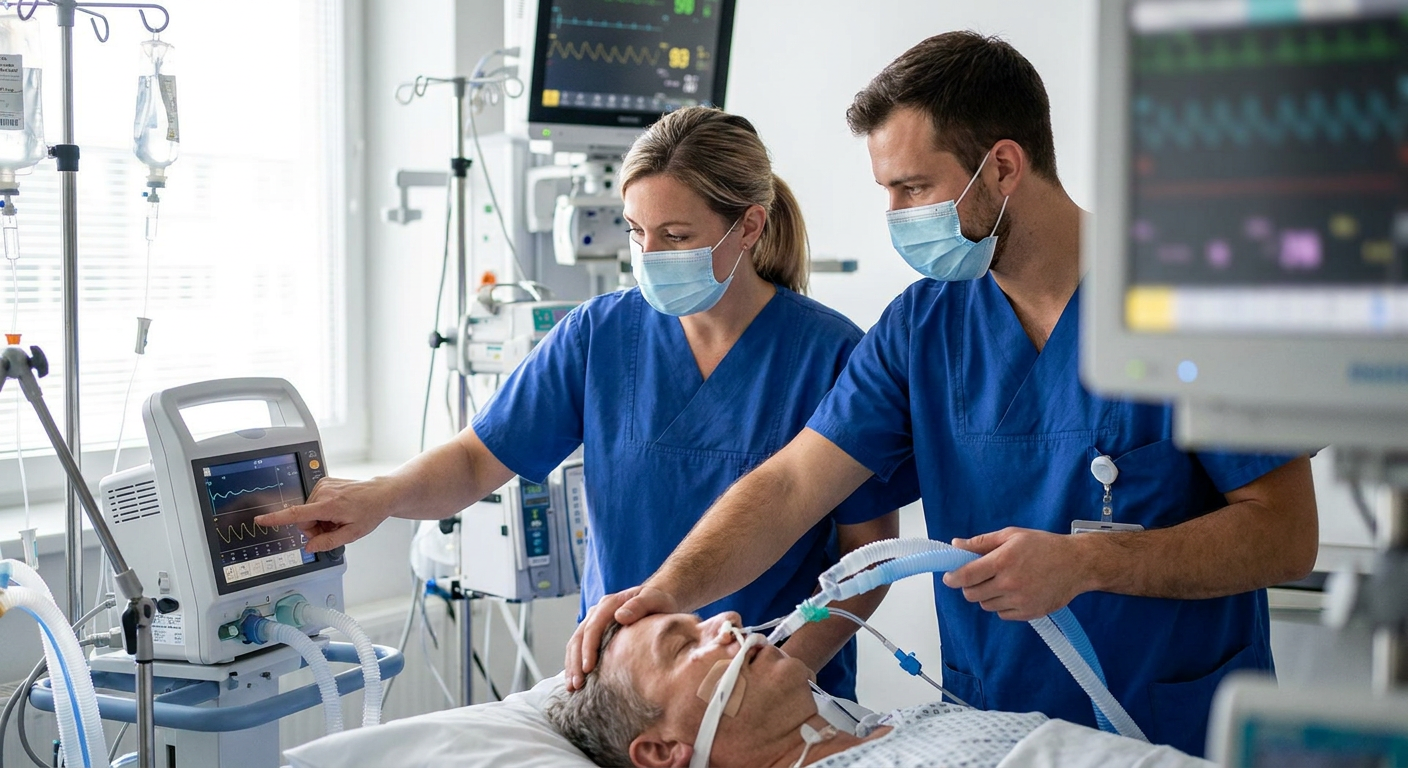 6 contact hours
Build practical nursing skills to recognize acute respiratory failure, support noninvasive and invasive ventilation, prevent complications, and promote safe liberation.
 3 contact hours
This course teaches symptom-based urgency assessment through structured questioning, recognition of potentially time-critical presentations, approved protocol use, timely escalation, documentation, and reliable follow-up communication.
 4 contact hours
This course discusses nursing judgment in eight areas: patient suitability and equitable assessment; expectations, consent, and body dysmorphic disorder referral; botulinum toxin safety; filler verification and vascular emergencies; chemical peel and laser risks; systemic allergic reactions and local anesthetic toxicity; healing and follow-up; and honest documentation, handoff, and reporting.
 3 contact hours
A nursing-focused review of obesity assessment, current weight-management pharmacotherapy, adverse-effect monitoring, pediatric care, and patient education.
 3 contact hours
Nursing responsibilities include accessible education, objective assessment, accurate records, interdisciplinary communication, and practice within competence and assigned authority. This course connects participant advocacy with reliable research conduct across eight topics.
 4 contact hours
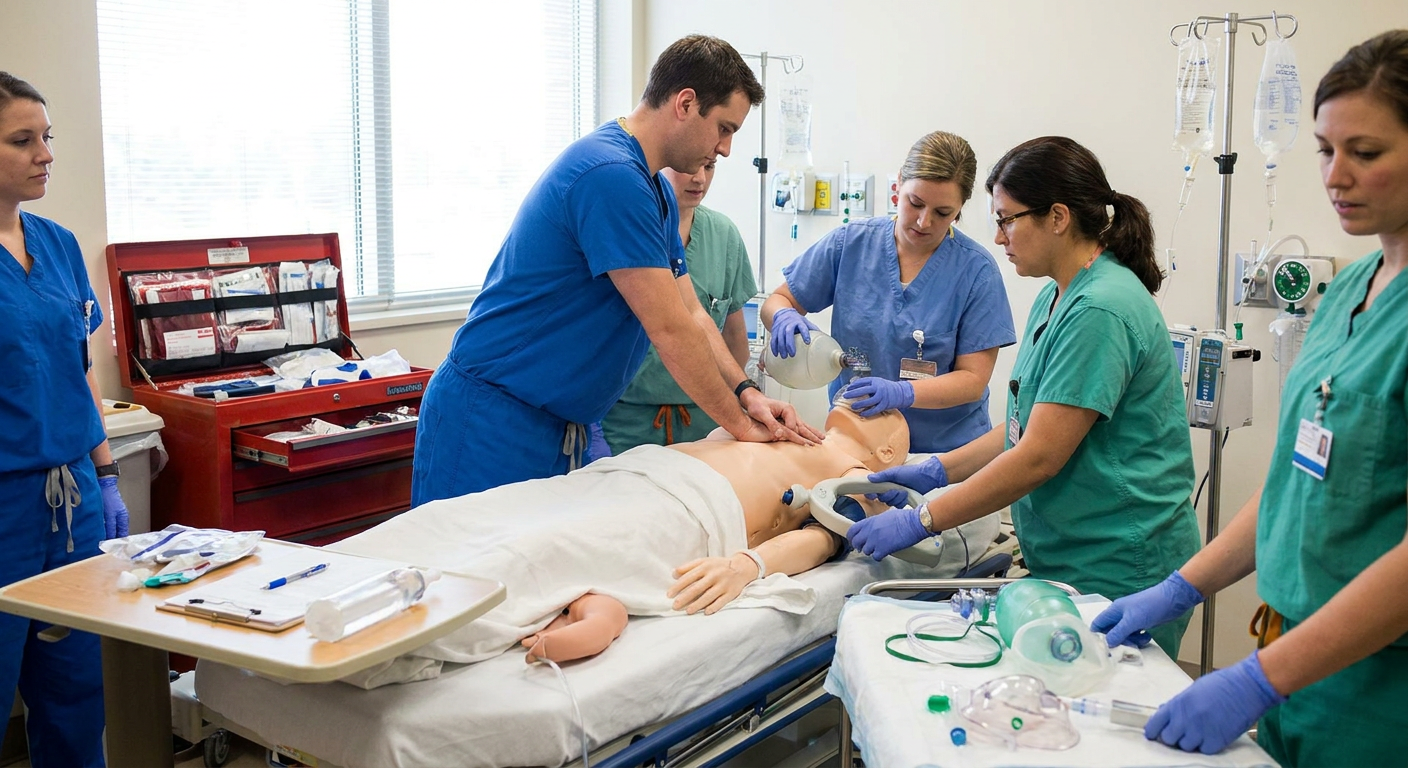
Recognize suspected amniotic fluid embolism, initiate coordinated resuscitation, distinguish major mimics, and support hemorrhage and cardiac-arrest care.
 2 contact hours
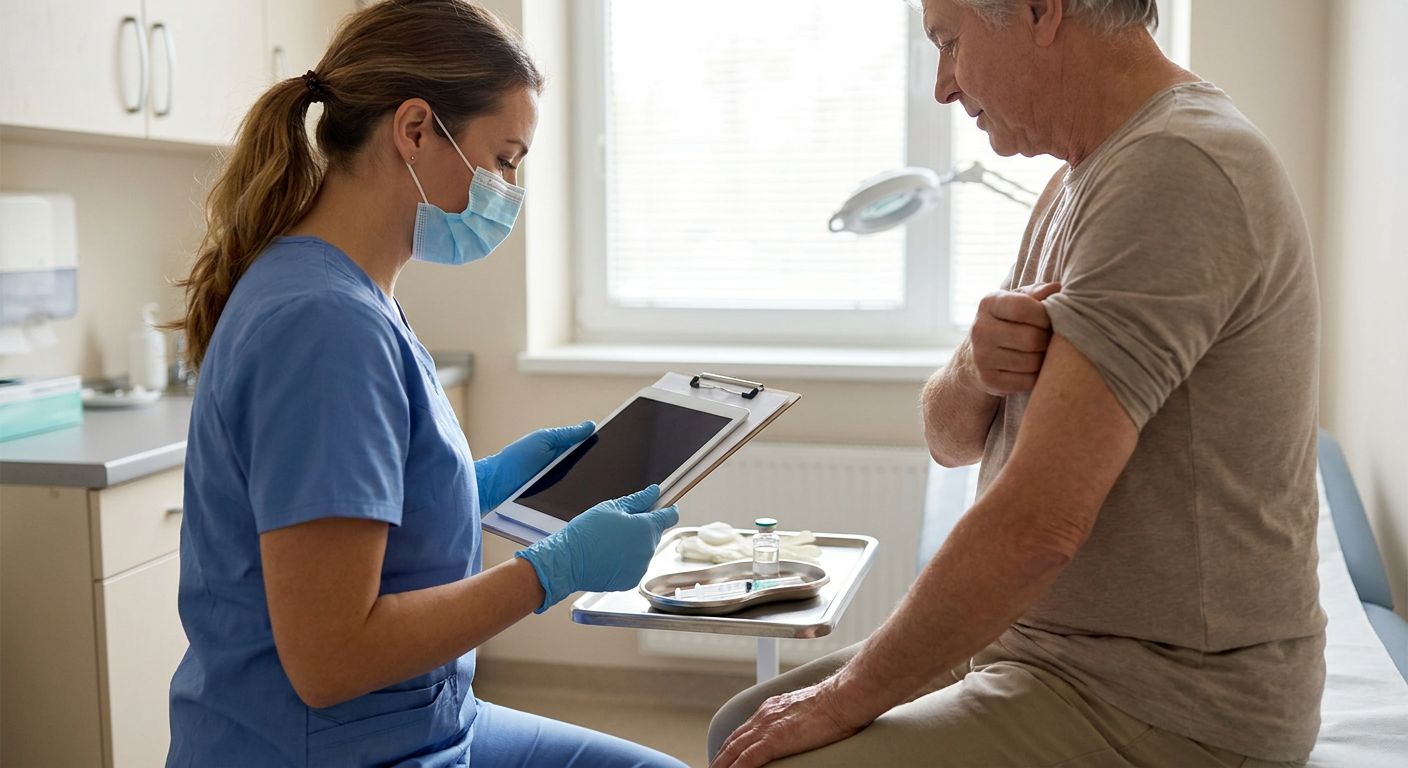
A current, clinically focused review of COVID-19 vaccine platforms, recommendations, safety, administration, and counseling for nurses nationwide.
 1 contact hours
Recognize workplace sexual harassment, respond safely, document objectively, report through appropriate channels, and protect patients and colleagues from retaliation.
 3 contact hours
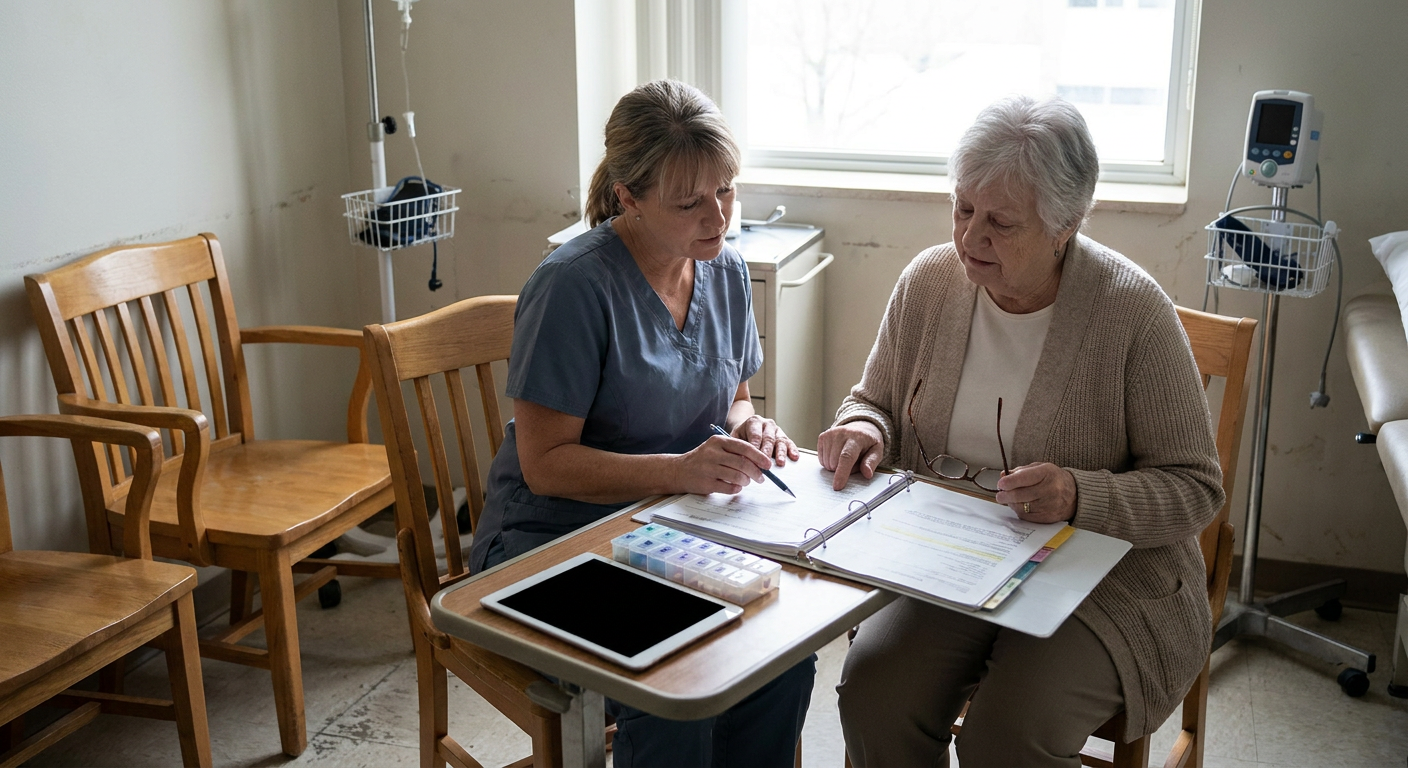
Build nursing skills to assess chronic pain, set functional goals, apply multimodal treatment, reduce medication-related harm, and coordinate person-centered care.
 4 contact hours
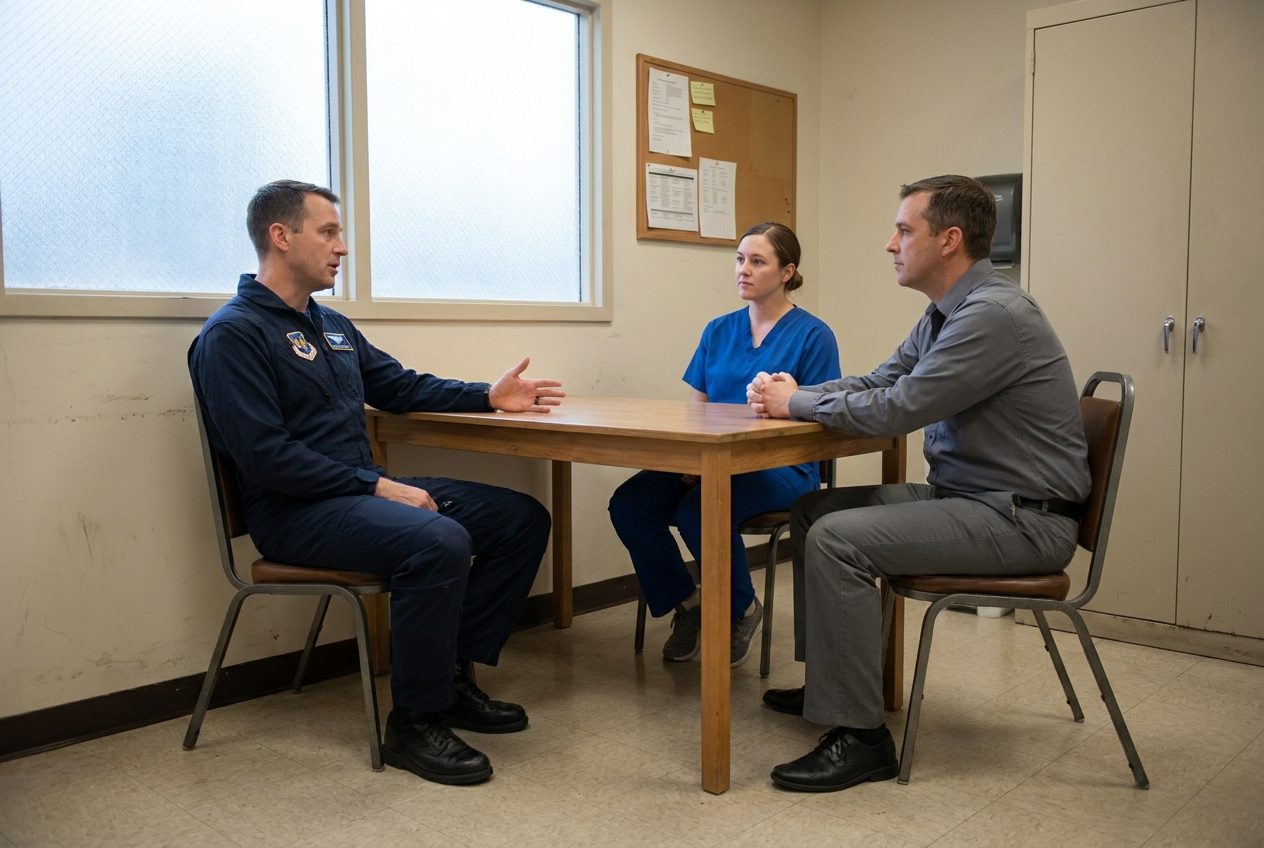
Aerospace medicine explains how unusual environments challenge normal physiology, including in healthy, screened individuals.
 5 contact hours
5 contact hours nursing continuing education course: Nurse Midwifery: Collaborative Care and Early Recognition of Complications.
 3 contact hours
3 contact hours nursing continuing education course: Gastroenterology Nursing: Assessment, Procedures and Patient Education.
 3 contact hours
This course provides and overview of therapeutic communication, its components, barriers, and its effects in caring for person with mental health.
 3 contact hours
Build nursing competence in lipid assessment, cardiovascular risk reduction, lifestyle counseling, medication monitoring, and referral for severe or inherited dyslipidemia.
 5 contact hours
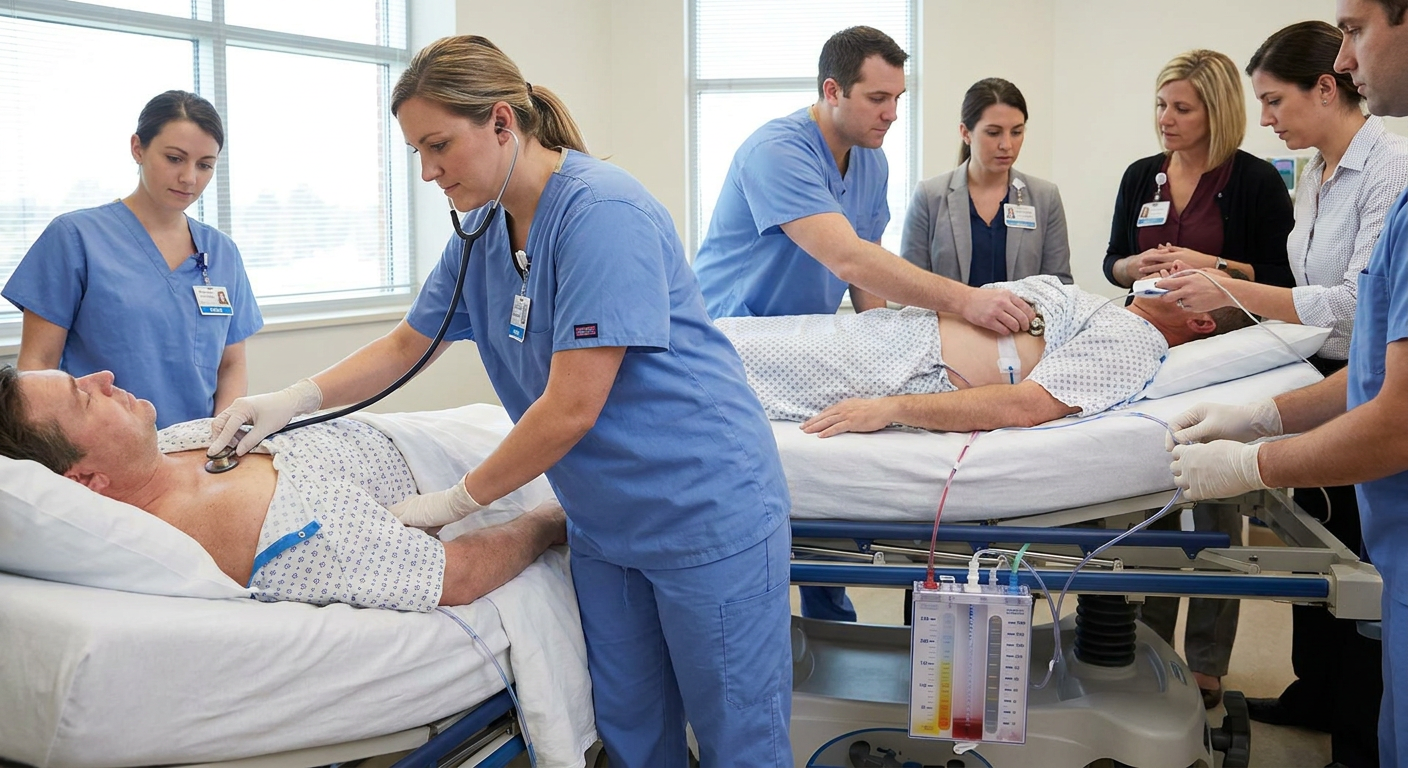
A 5-hour clinical review of pneumothorax classification, recognition, emergency response, treatment, chest drainage, and patient education for nurses.
 3 contact hours
After completing this course, the nurse will be able to recognize variable asthma symptoms, assess exacerbation severity, and explain the objective tests used to confirm airflow variability.
 3 contact hours
3 contact hours nursing continuing education course: Legal Nurse Consulting: Records Analysis, Documentation Standards, and Professional Boundaries.
 4 contact hours
Build nursing competence in recognizing, diagnosing, monitoring, and managing type 1, type 2, gestational, and monogenic diabetes across care settings.
 2 contact hours
This course equips licensed nurses to make structured telephone and in-person triage judgments, recognize urgency, and escalate concerns through clinic protocols and the responsible clinician. It develops reliable handoffs, transition practices, medication reconciliation, plain-language education with confirmation of understanding, preventive screening and immunization workflows, and outpatient infection-prevention practices. Nurses also strengthen documentation, follow-up, and closed-loop test-result tracking to support patient engagement and ambulatory safety.
 3 contact hours
This nursing continuing-education course discusses population-focused practice.
 2 contact hours
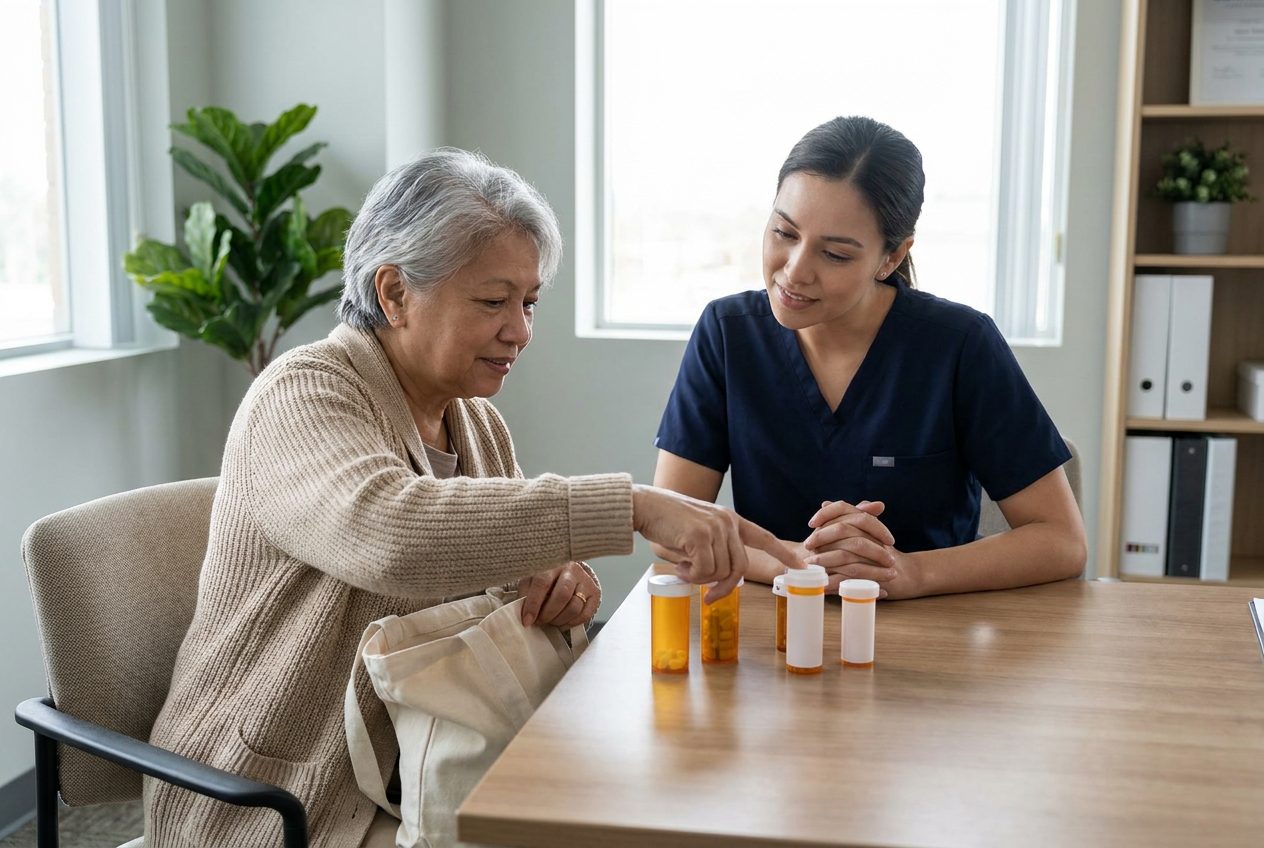
This course prepares nurses to support safe, person-centered diabetes care across monitoring, medication education, acute event recognition, complication prevention, and team coordination. Nurses will interpret blood glucose and A1C patterns, explain CGM concepts, reinforce prescribed insulin and non-insulin therapy, respond to hypoglycemia, recognize hyperglycemia and ketone-related danger, teach sick-day and daily self-management, assess feet and neuropathy risks, and coordinate screening and escalation with the prescribing clinician and diabetes educator.
 4 contact hours
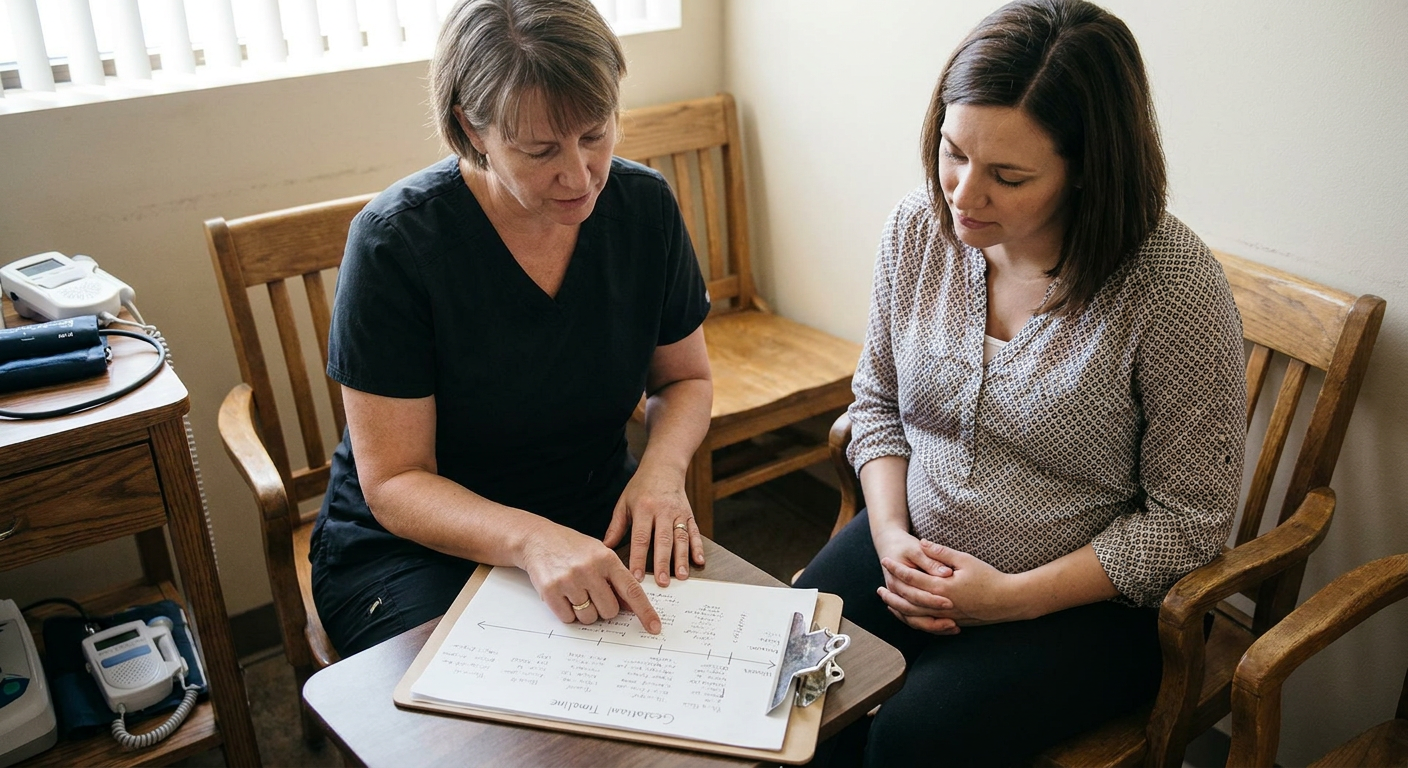
Explains how prenatal substance and medication exposures affect pregnancy, fetal development, neonatal adaptation, and long-term outcomes, with practical nursing interventions.
 4 contact hours
Explains how hypertension and chronic kidney disease reinforce one another and guides nurses in assessment, treatment, kidney replacement therapy, and patient education.
 3 contact hours
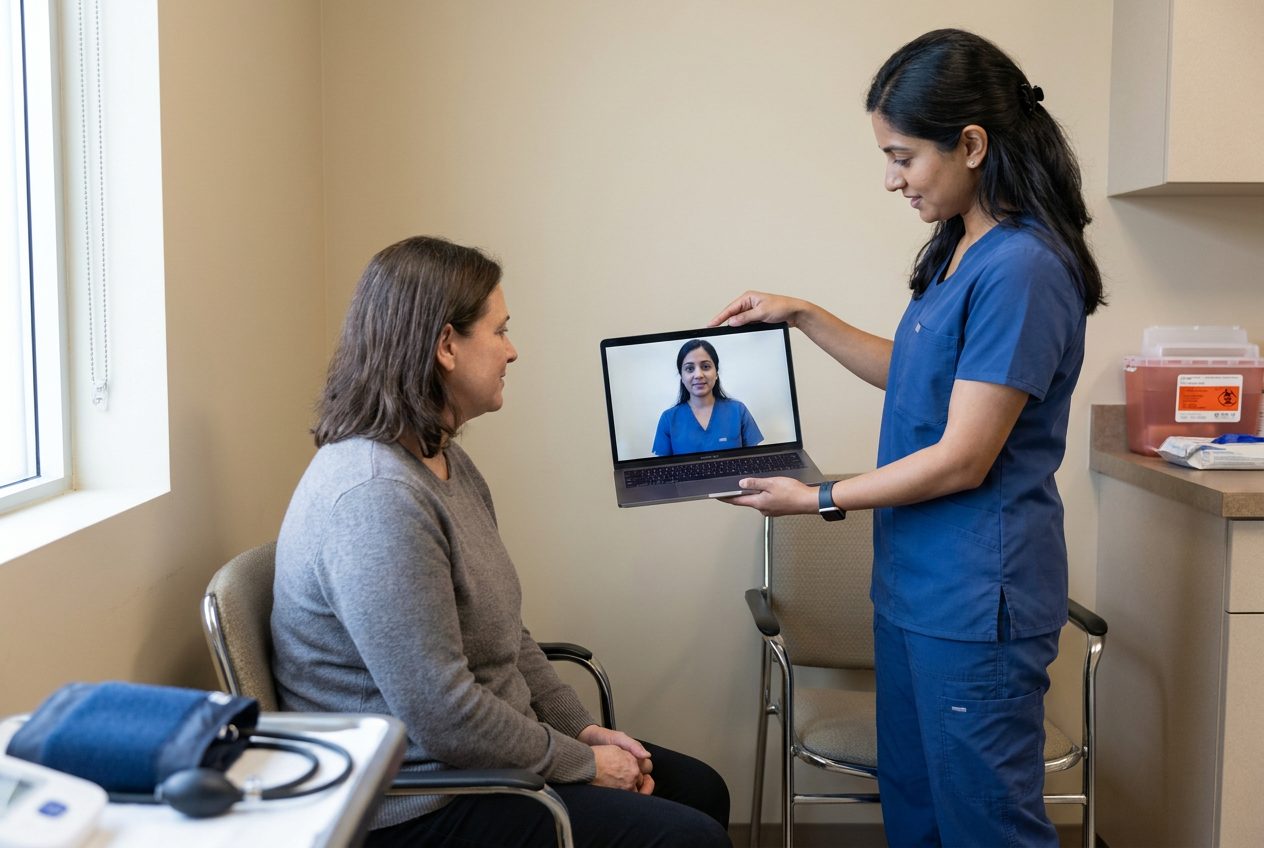
This course applies reference-based telehealth, consent, communication, safety, and care-coordination principles to nursing workflows across eight topics: modalities; structured assessment; red flags and escalation; privacy and consent; documentation; telephone and video communication; equitable access and adapted teaching; and technology continuity, handoffs, and professional limits.
 4 contact hours
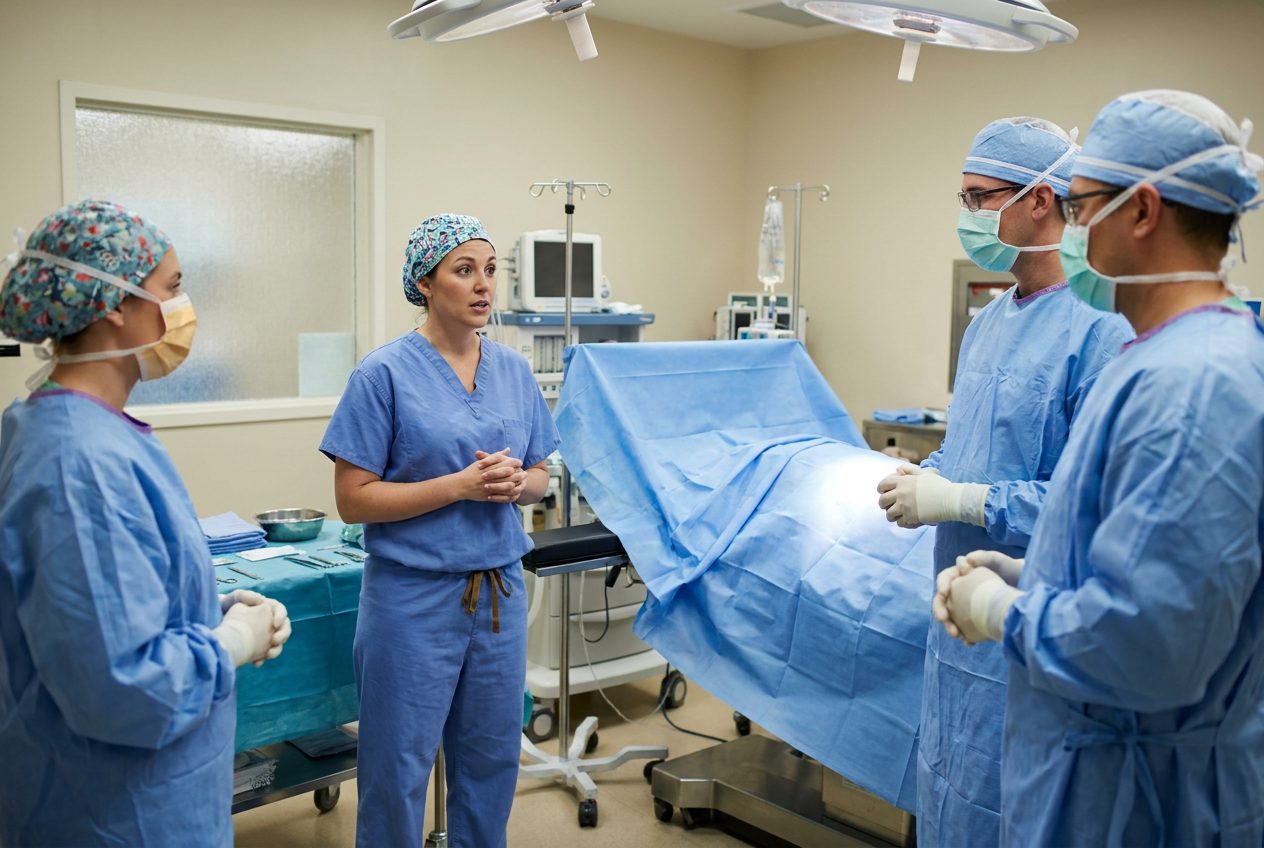
Review perioperative safety practices involving patient and site verification, checklists, surgical counts, sterile technique, antibiotic timing, medication interruption, fire and energy hazards, positioning, temperature, and handoff. Lessons use reported cases and source material to examine prevention and team communication.
 4 contact hours
This course provides an overview of short assignments in hospitals, clinics, and long-term care. Eight integrated topics address workforce pressures and portable responsibilities; orientation, competencies, equipment, and electronic records; joining an unfamiliar team; handoff and closed-loop communication; error prevention and reporting; infection prevention; falls, consent, and documentation.
 3 contact hours
Eight lessons connect patient-specific symptoms, congestion, perfusion concerns, laboratory trends, and practical self-management barriers with nursing communication and reassessment. The clinical framework emphasizes trajectory rather than isolated findings, with infection prevention integrated into bedside care.
 3 contact hours
This course connects oral findings with comfort, nutrition, communication, infection risk, and timely referral. It covers eight areas that relate to oral and dental health.
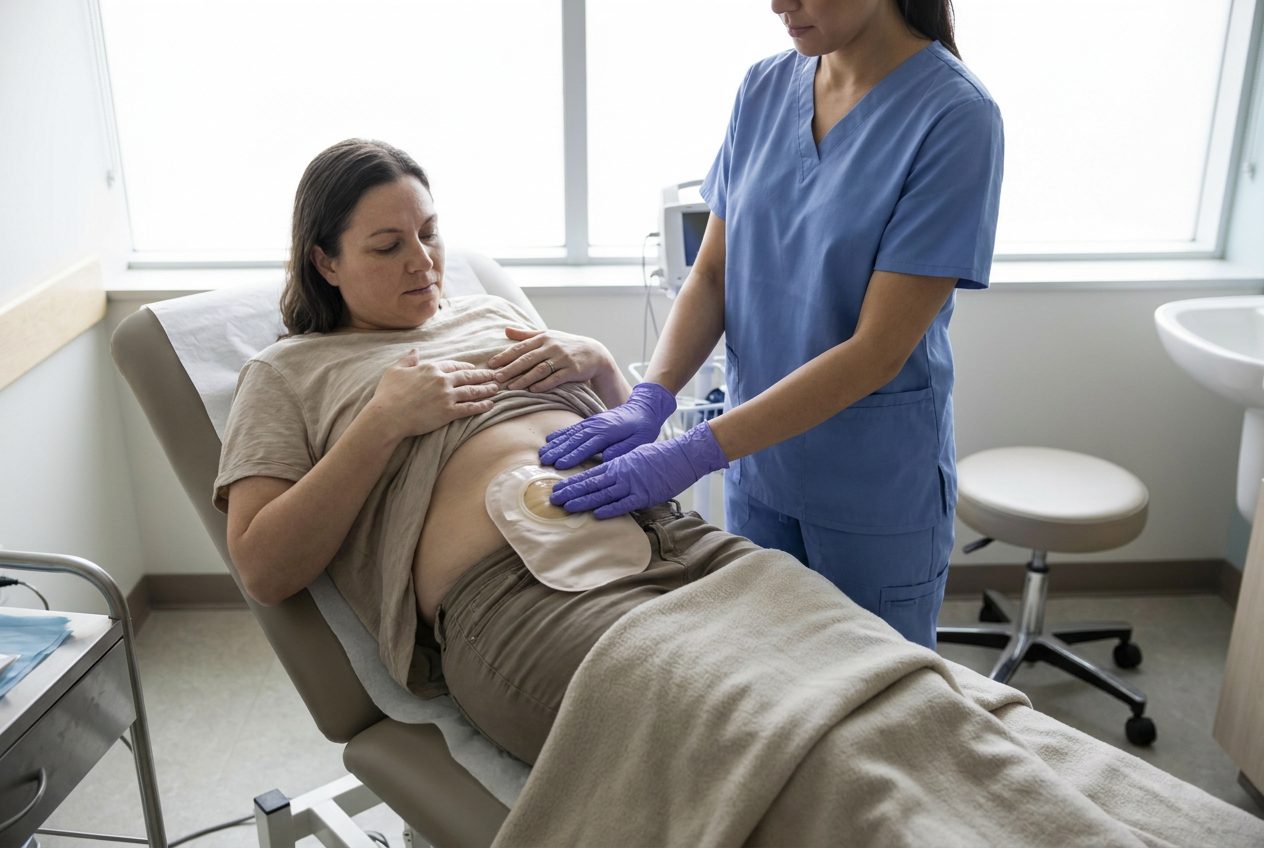 4 contact hours
4 contact hours nursing continuing education course: Ostomy Nursing: Assessment, Skin Protection and Self-Care.
 4 contact hours
4 contact hours nursing continuing education course: Oncology Nursing: Treatment Toxicity, Symptom Burden and the Recognition of Oncologic Emergencies.
 1 contact hours
To provide healthcare professionals an overview of common interprofessional communication and collaboration principles, and tools for conflict prevention within the healthcare setting.
 4 contact hours
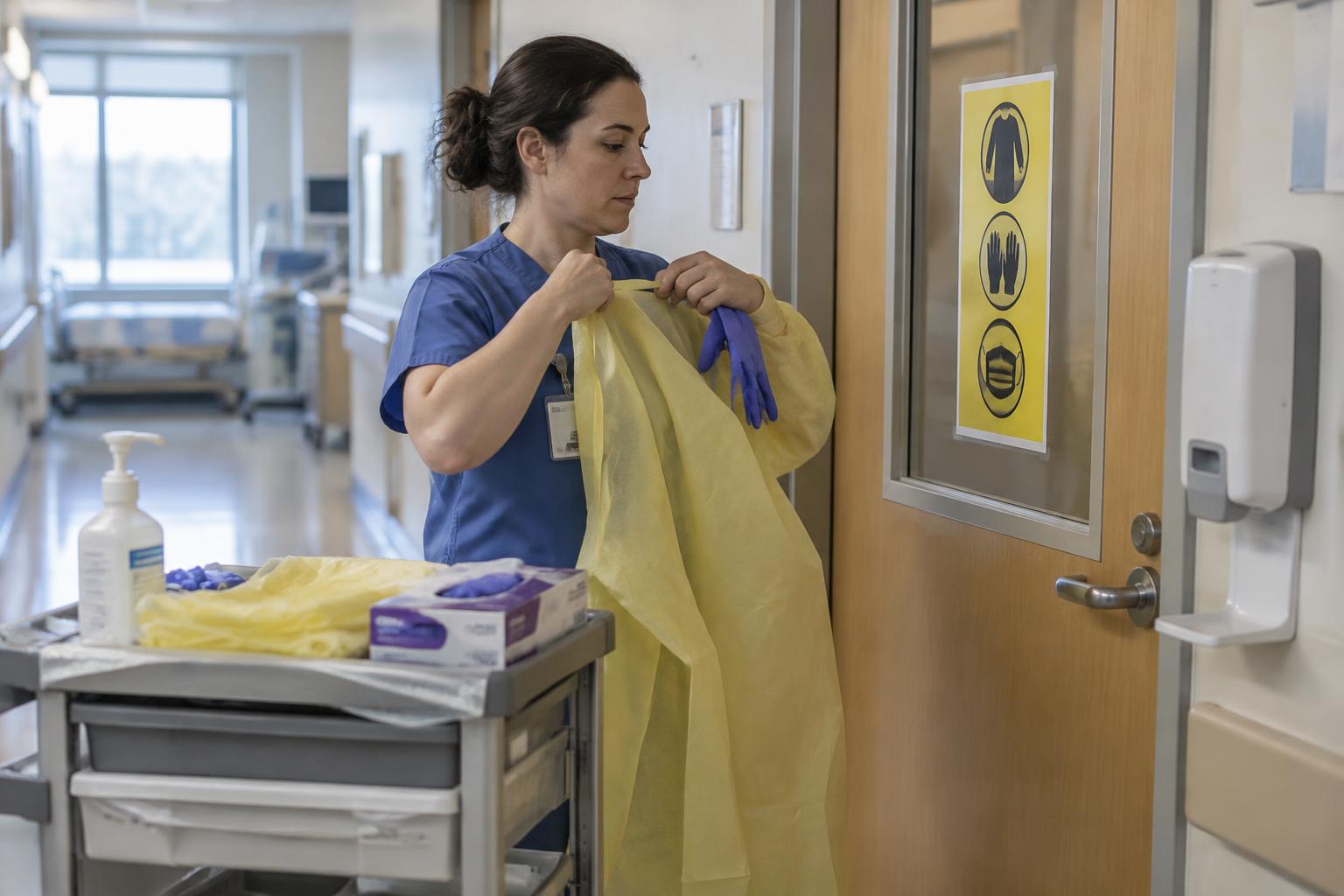
4 contact hours nursing continuing education course: Infectious Disease Nursing: Assessment, Precautions, and Care Coordination.
 3 contact hours
3 contact hours nursing continuing education course: Occupational Health Nursing: Worker Assessment, Hazard Recognition and Prevention.
 3 contact hours
3 contact hours nursing continuing education course: Nursing Management: Staffing, Communication and Team Development That Hold Up Under Pressure.
 4 contact hours
Review clinical reasoning, pharmacologic principles, adverse drug reactions, interactions, polypharmacy, antimicrobial stewardship, controlled substances, and communication in prescribing. Activities emphasize patient-specific assessment, documentation, collaborative review, and verification of professional authority.
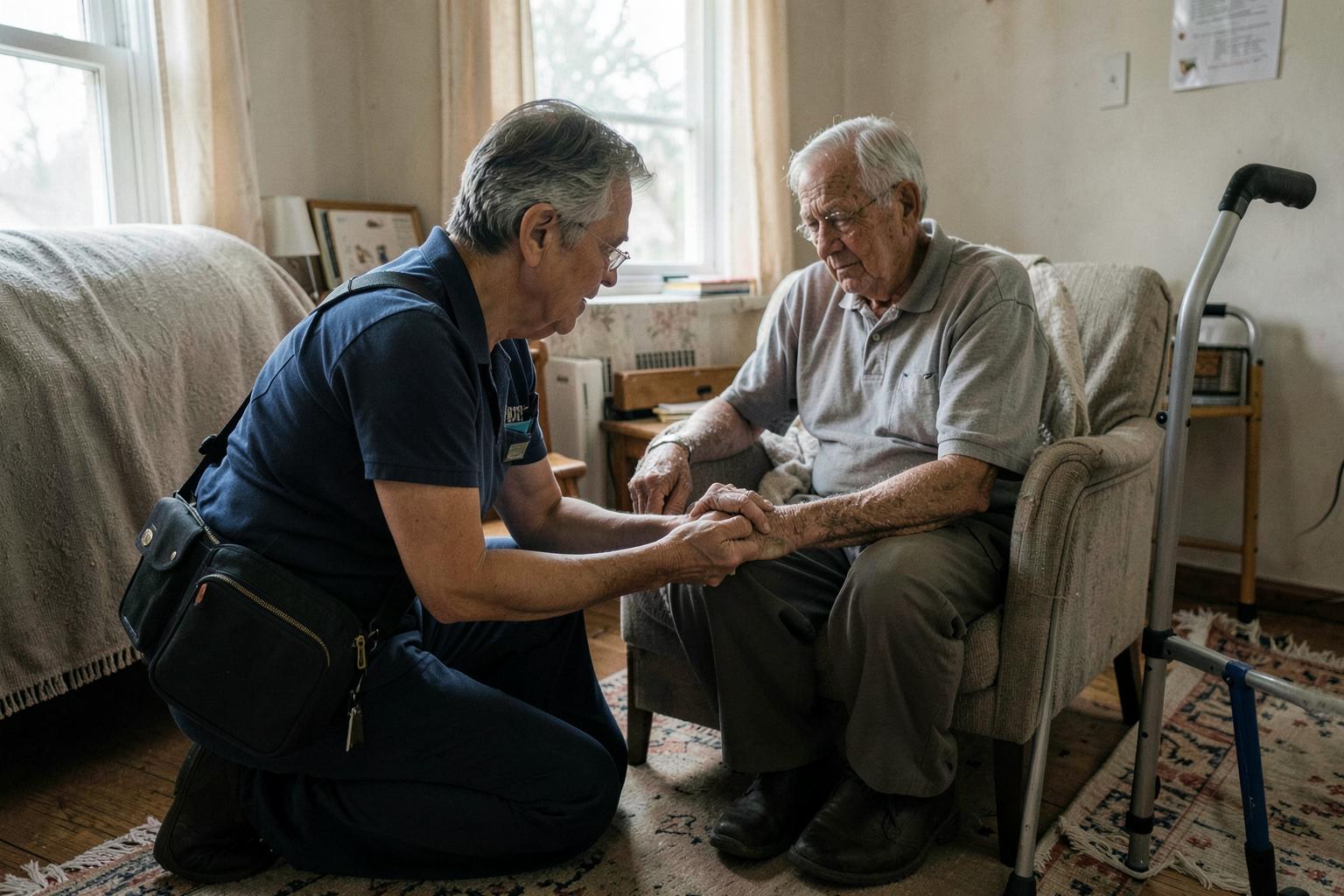 3 contact hours
3 contact hours nursing continuing education course: Home Health Nursing: Safety, Assessment and Coordination in the Patient's Home.
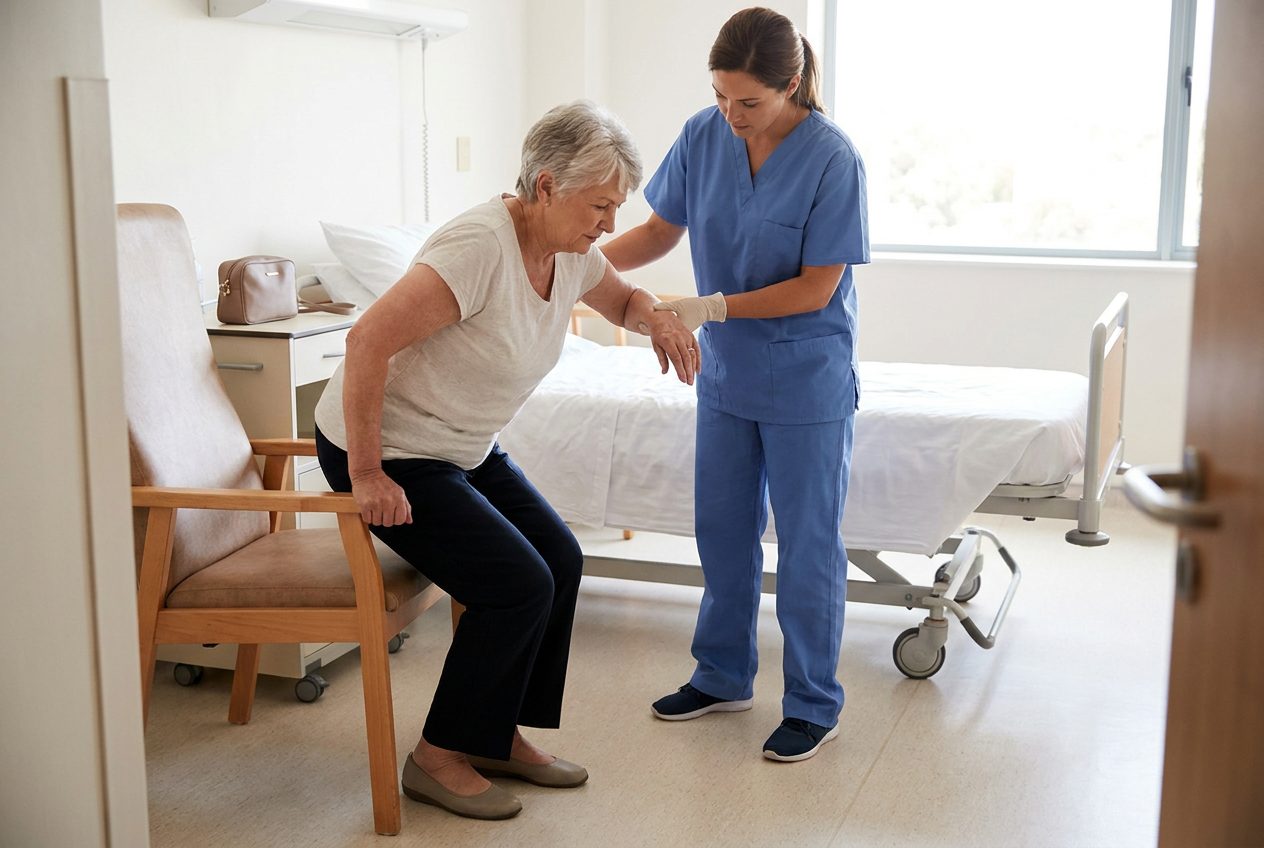 3 contact hours
3 contact hours nursing continuing education course: Orthopedic Nursing: Mobility, Neurovascular Assessment and Recovery.
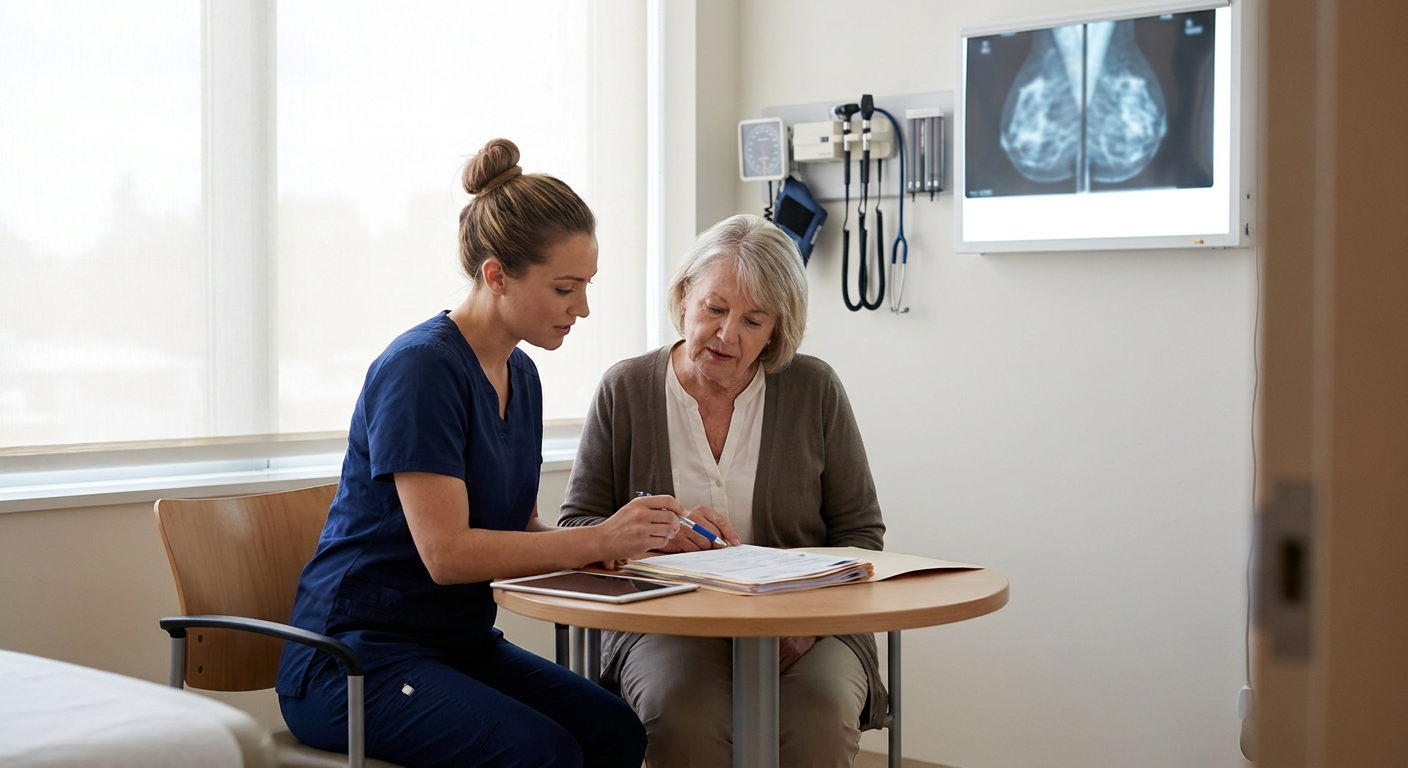 3 contact hours
Evidence-based nursing care for breast cancer screening, diagnosis, staging, treatment, symptom management, survivorship, recurrence, and metastatic disease.
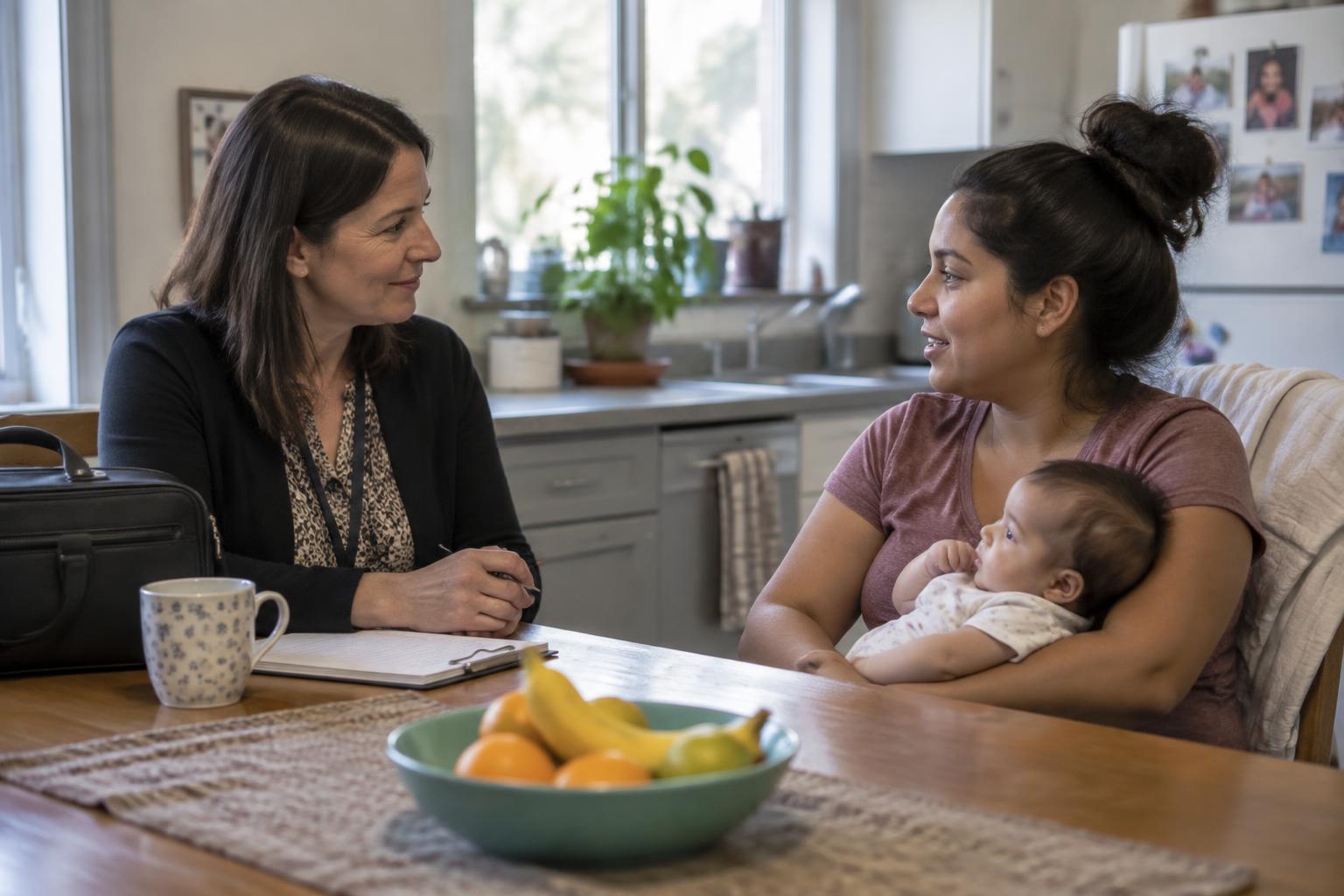 3 contact hours
3 contact hours nursing continuing education course: Health Visiting and Home-Based Child and Family Nursing.
 4 contact hours
4 contact hours nursing continuing education course: Holistic Nursing: Evidence, Patient Preferences and Safe Integration.
 5 contact hours
Review neurologic assessment, Glasgow Coma Scale observations, pupil findings, intracranial pressure and perfusion, traumatic brain injury, external ventricular drains, and postoperative neurosurgical care. Lessons also address subarachnoid hemorrhage, spine-surgery monitoring, fluid disturbances, and communication of changes.
 4 contact hours
This course differentiates anticoagulants from antiplatelets and applies safe assessment, monitoring, education, interruption, and bleeding-response practices across care settings.
 3 contact hours
The purpose of this course is to provide healthcare providers with an overview of arterial blood gas interpretation, and acidosis and alkalosis conditions.
 4 contact hours
Develop a structured approach to postoperative assessment and handoff, pain and medication safety, respiratory and gastrointestinal recovery, wound changes, bleeding, infection, thrombosis risk, delirium, urinary retention, and discharge teaching. The course emphasizes nursing observation, documentation, communication, and timely escalation within the care team.
 2 contact hours
Build skill in recognizing, assessing, documenting, reporting, and responding to suspected abuse, neglect, or exploitation of older adults.
 3 contact hours
3 contact hours nursing continuing education course: Intravenous Therapy Nursing: Infusion Safety and Complication Prevention.
 3 contact hours
To provide healthcare providers an overview of pain, opioid use disorder, and current practices in prescribing controlled substances.
 4 contact hours
Builds nurses’ skills to recognize intersecting clinical and social vulnerability, reduce access barriers, and advocate for safe, equitable, person-centered care.
 3 contact hours
Build practical nursing skills to recognize possible sex or labor trafficking, provide trauma-informed care, meet reporting duties, document findings, and coordinate safe referrals.
 3 contact hours
Build nursing competence in recognizing OCD, differentiating related conditions, supporting evidence-based treatment, assessing safety, and promoting long-term recovery.
 2 contact hours
The purpose of this course is to provide healthcare providers with an overview Adverse childhood experiences (ACEs), risk factors, prevention strategies, and treatment options to mitigate the effects of ACEs influence in children and adults.
 1 contact hours
Builds nurses’ skills to recognize burnout, distinguish related conditions, reduce occupational risks, and respond safely at individual, team, and organizational levels.
 3 contact hours
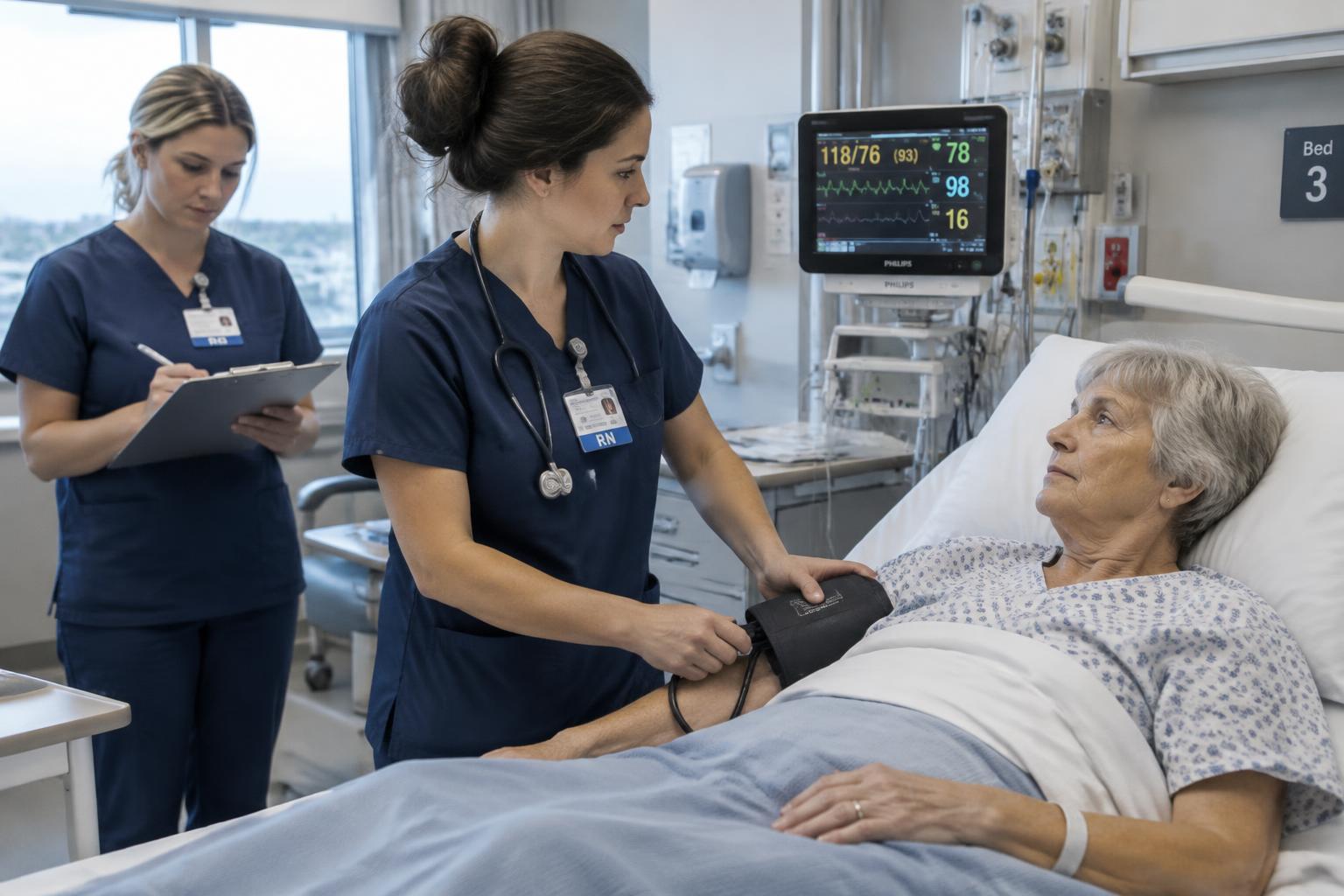
Examine adult medical-surgical surveillance, missed care, recognition of deterioration, rapid response, sepsis terminology, medication-safety concepts, falls, pressure injury, and handoffs. The course connects patient assessment with workload, communication, prevention, and timely escalation.
 4 contact hours
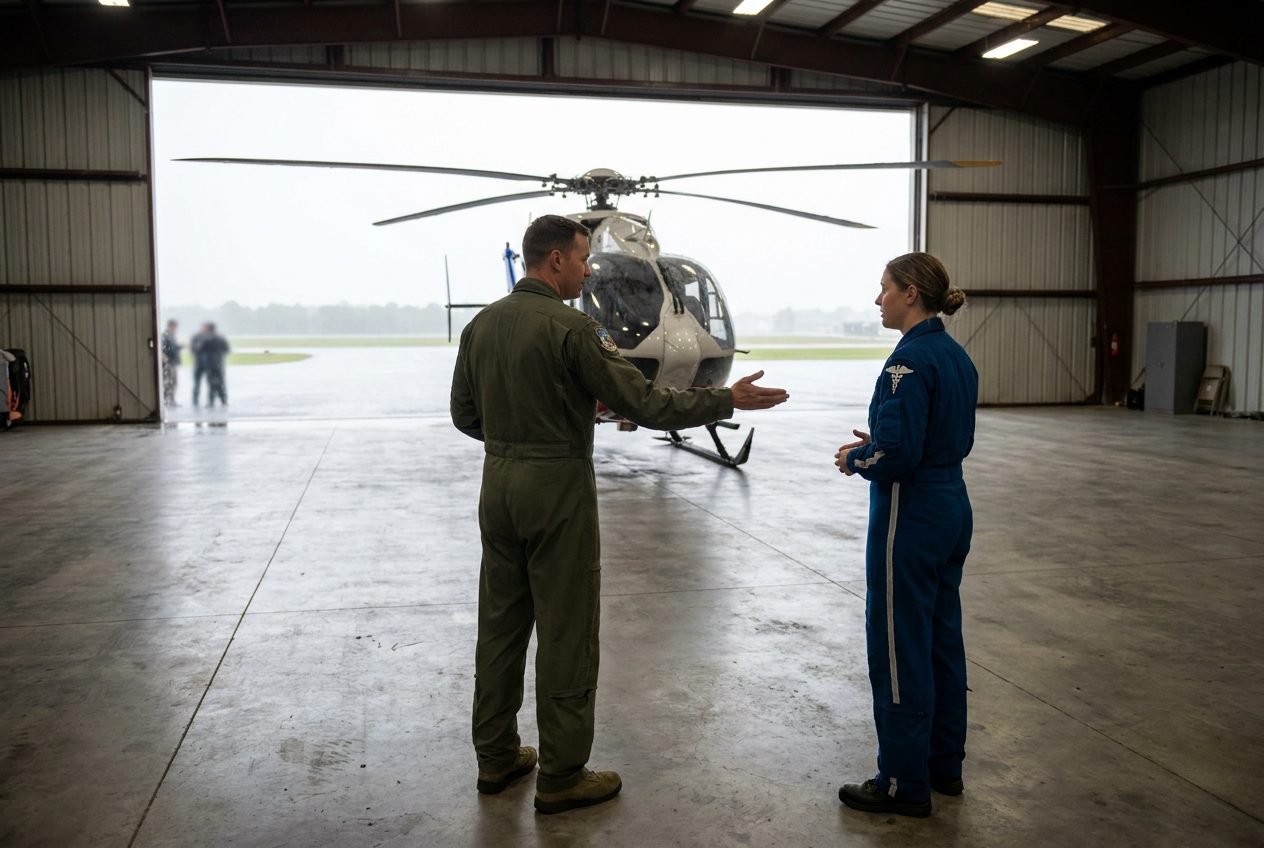
4 contact hours nursing continuing education course: Flight Nursing: Safety, Clinical–Aviation Coordination, and Helicopter Transport Readiness.
 3 contact hours
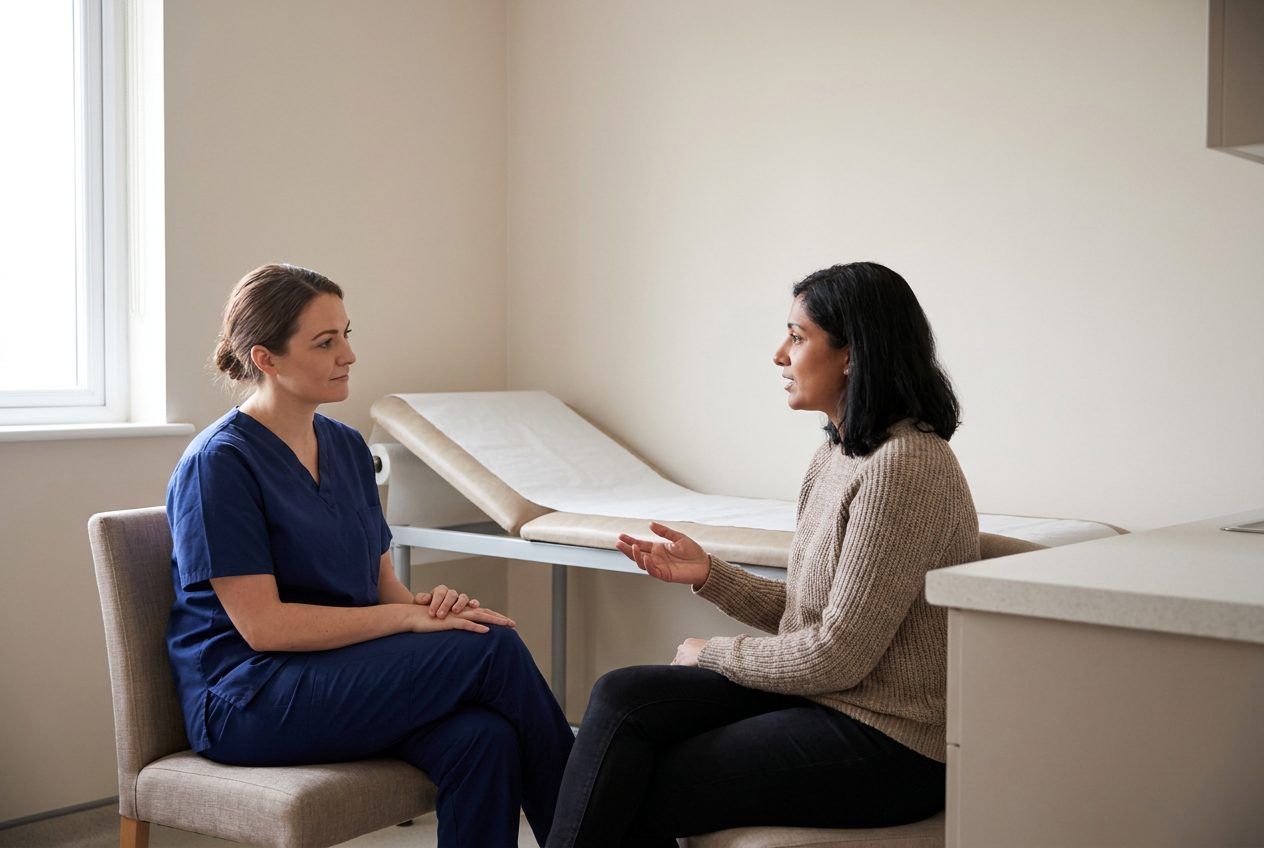
3 contact hours nursing continuing education course: Forensic Nursing: Patient-Centered Adult and Adolescent Sexual Assault Medical Forensic Care.
 5 contact hours
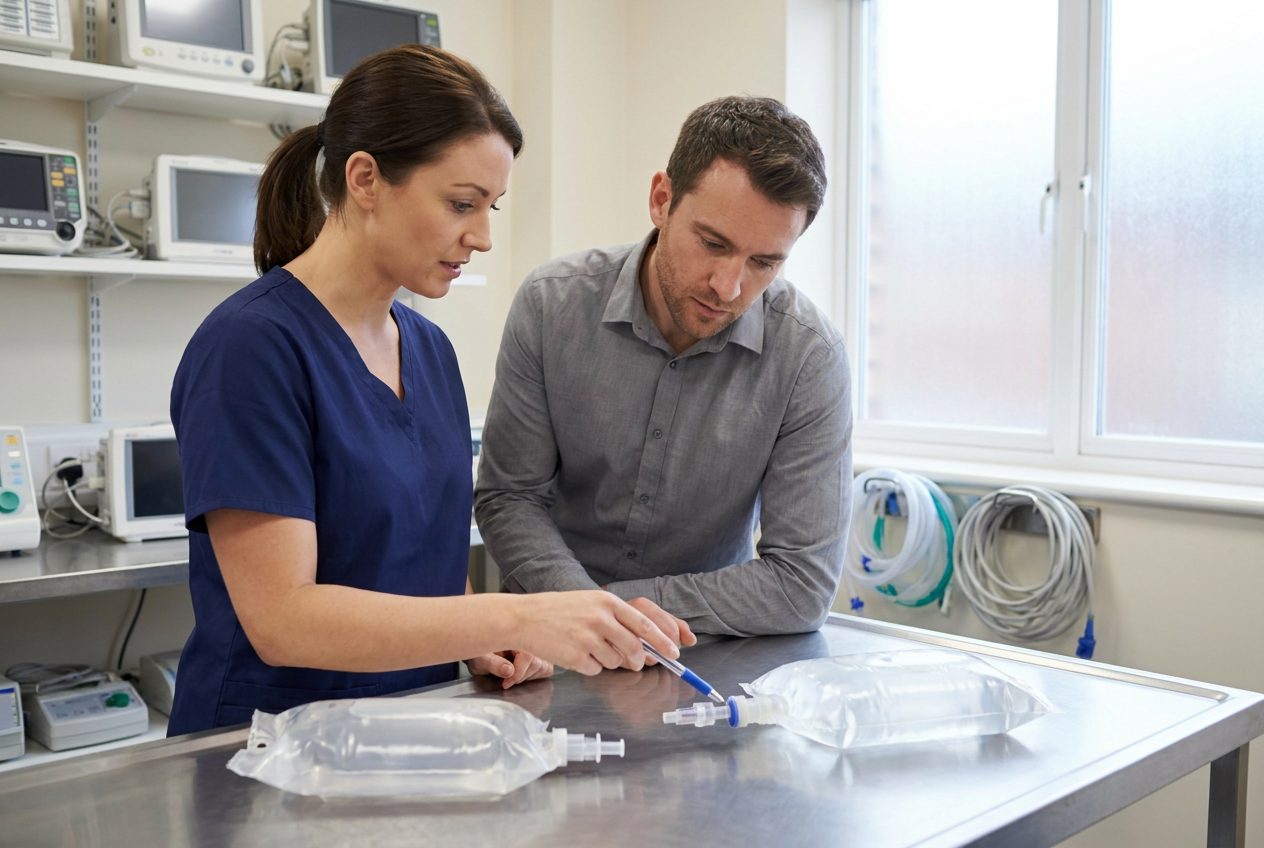
This course applies principles of human factors engineering to identify and address design failures, differentiate between slips and mistakes to optimize checklist use, standardize handoff and teamwork practices, engage in root cause analysis, foster high reliability thinking and a just culture, and consider how the work environment impacts staffing, workload, fatigue, and simulation.
 6 contact hours
This course explains how receptor activity, dose-response relationships, and patient-specific factors determine medication effects. Learners connect these principles to bedside assessment, titration, monitoring, and prevention of adverse drug events.
 2 contact hours
Learn to recognize depression and suicide risk in nurses, respond safely, create a collaborative safety plan, and support evidence-based workplace prevention.
 3 contact hours
3 contact hours nursing continuing education course: Nursing Research: Reading a Study Well and Turning Evidence Into Practice.
 4 contact hours
Build practical nursing knowledge of antibiotic classes, selection, resistance, adverse effects, administration, monitoring, and patient education.
 2 contact hours
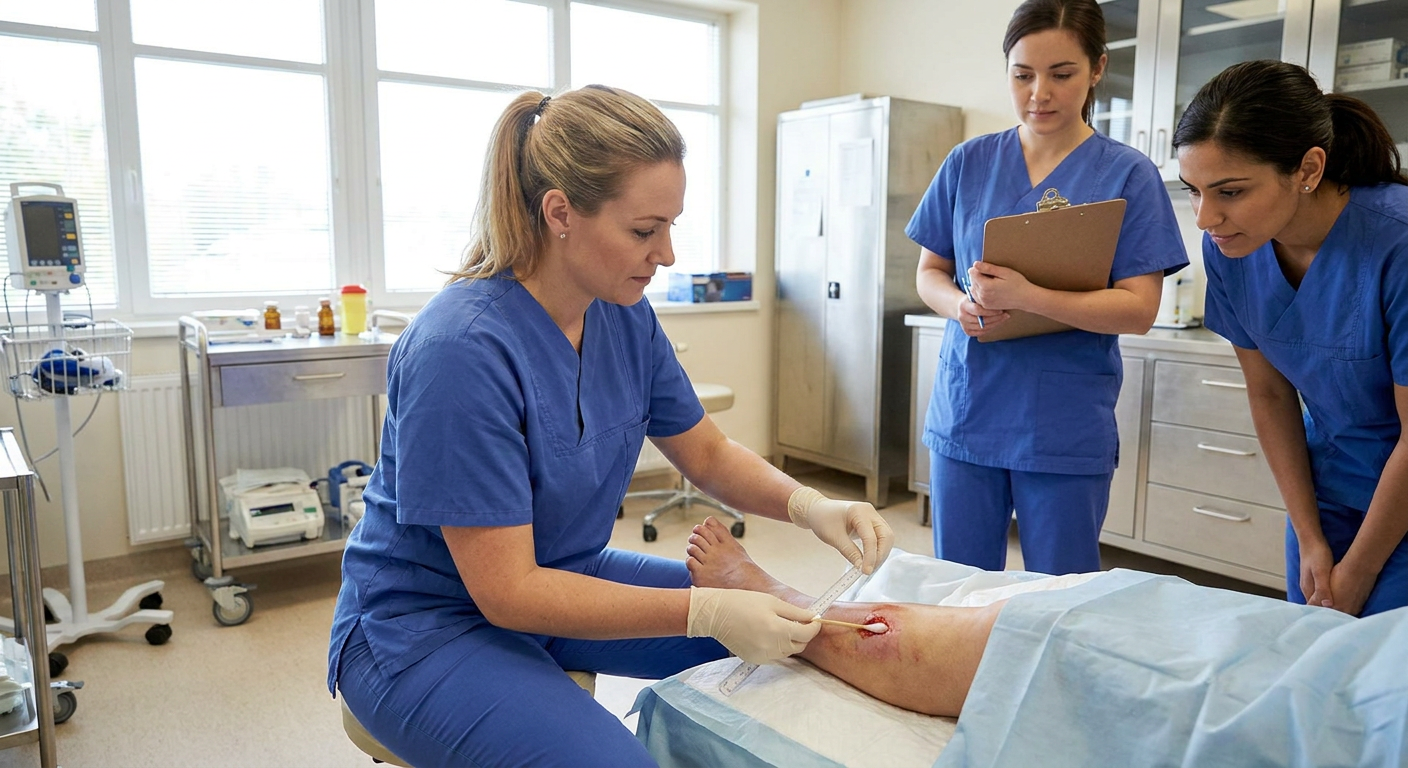
The skin limits fluid loss, regulates temperature, supports sensation and immune surveillance, and protects deeper structures from mechanical, chemical, thermal, and microbial injury. A wound compromises these functions. This course classifies common acute and chronic wounds, explains overlapping phases of tissue repair, and identifies local or systemic findings that require escalation.
 3 contact hours
A current, evidence-based review of pulmonary embolism recognition, diagnostic pathways, risk stratification, emergency care, anticoagulation, reperfusion, and follow-up.
 3 contact hours
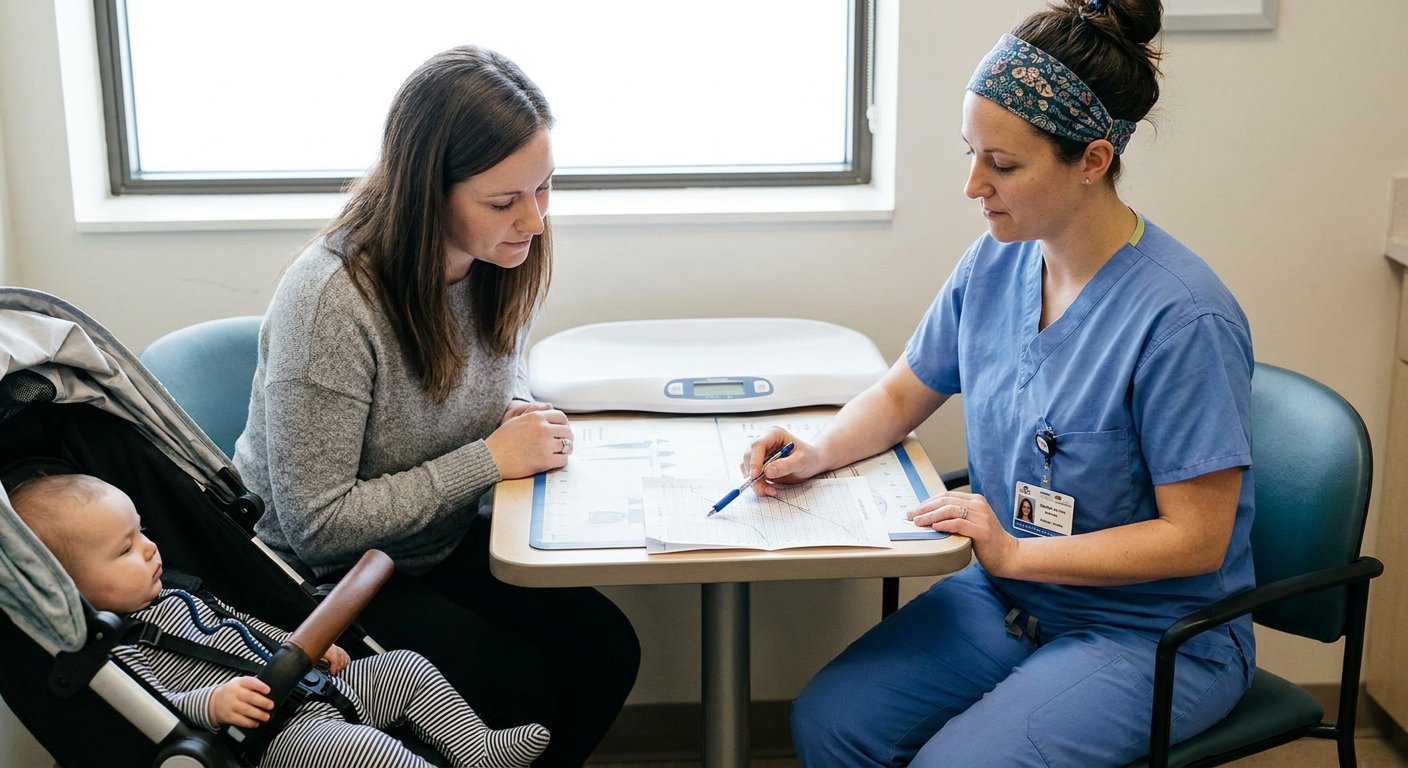
Build nursing competence in recognizing, assessing, escalating, and coordinating evidence-based care for infants and children with growth faltering.
 3 contact hours
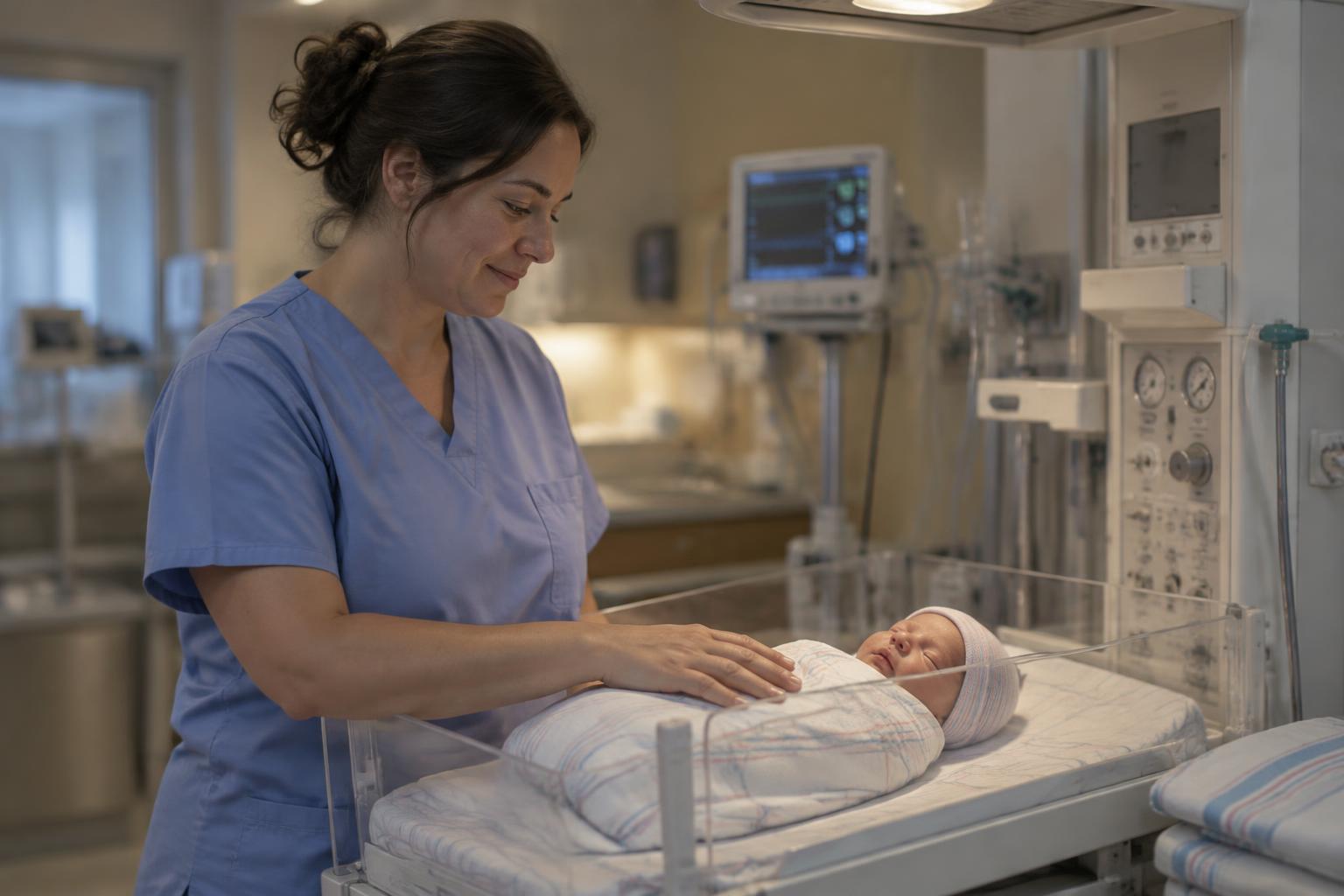
3 contact hours nursing continuing education course: Neonatal Nursing: Assessment, Developmental Care and Safety.
 2 contact hours
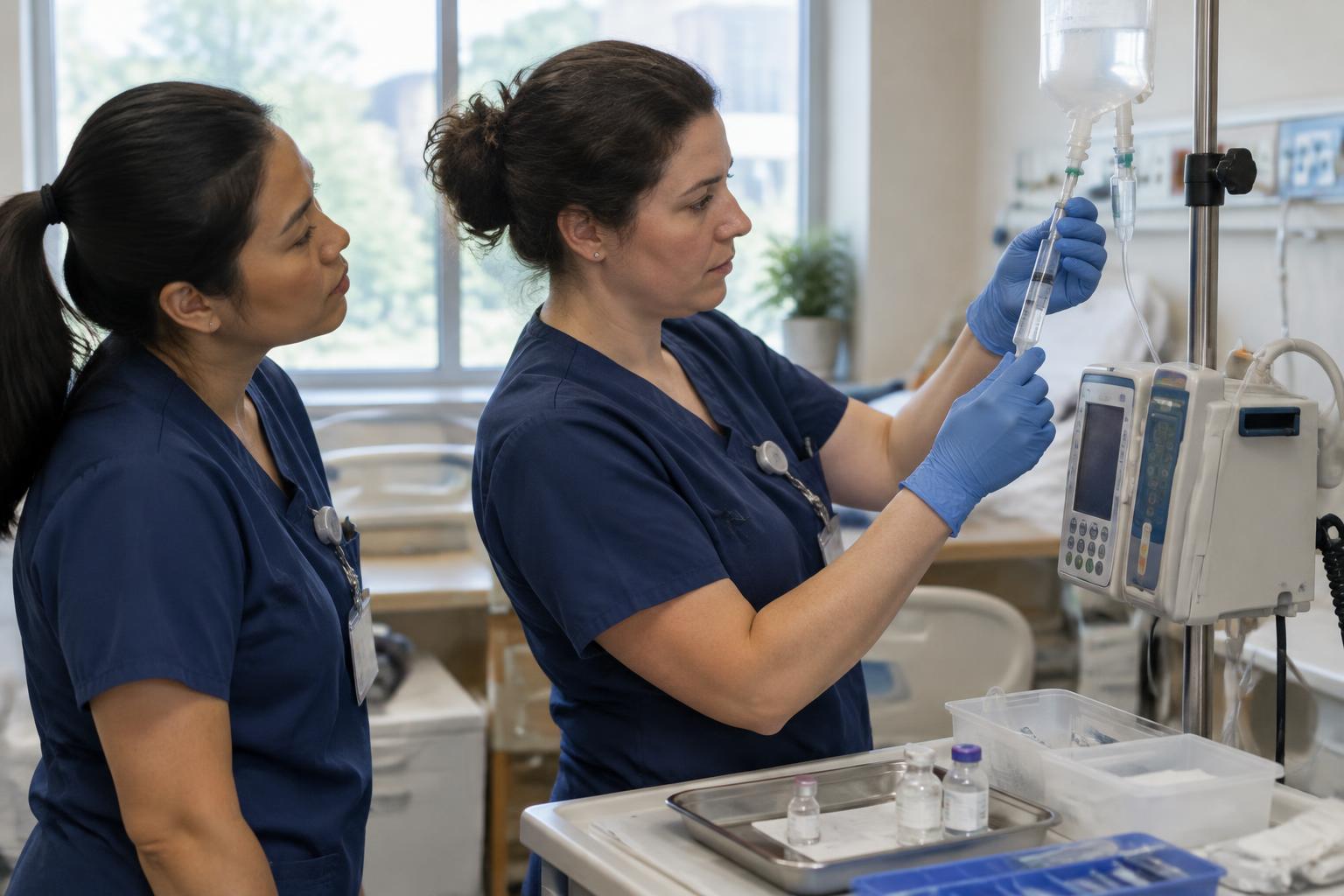
To provide healthcare professionals with knowledge of medication errors and review strategies to reduce the risk of a medication error.
 3 contact hours
Build skills to recognize, document, report, and respond to workplace bullying while protecting staff well-being, professional practice, and patient safety.
 4 contact hours
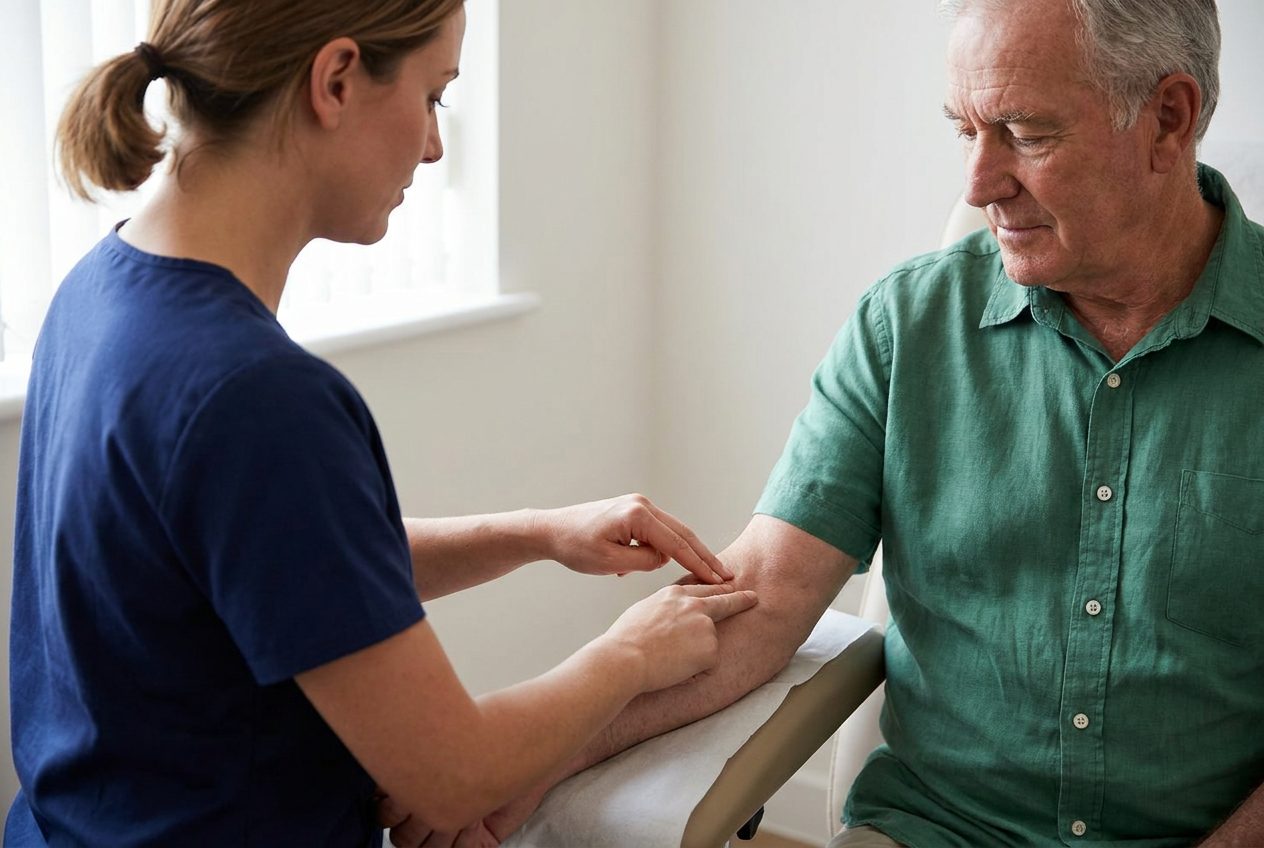
4 contact hours nursing continuing education course: Nephrology Nursing: Kidney Function Monitoring, Dialysis Access and Patient Self-Management.
 4 contact hours
Public health functions include monitoring, investigation, education, partnerships, planning, service linkage, workforce competence, evaluation, and research. This course develops assessment, recognition, escalation, and patient-education skills across eight topics
 3 contact hours
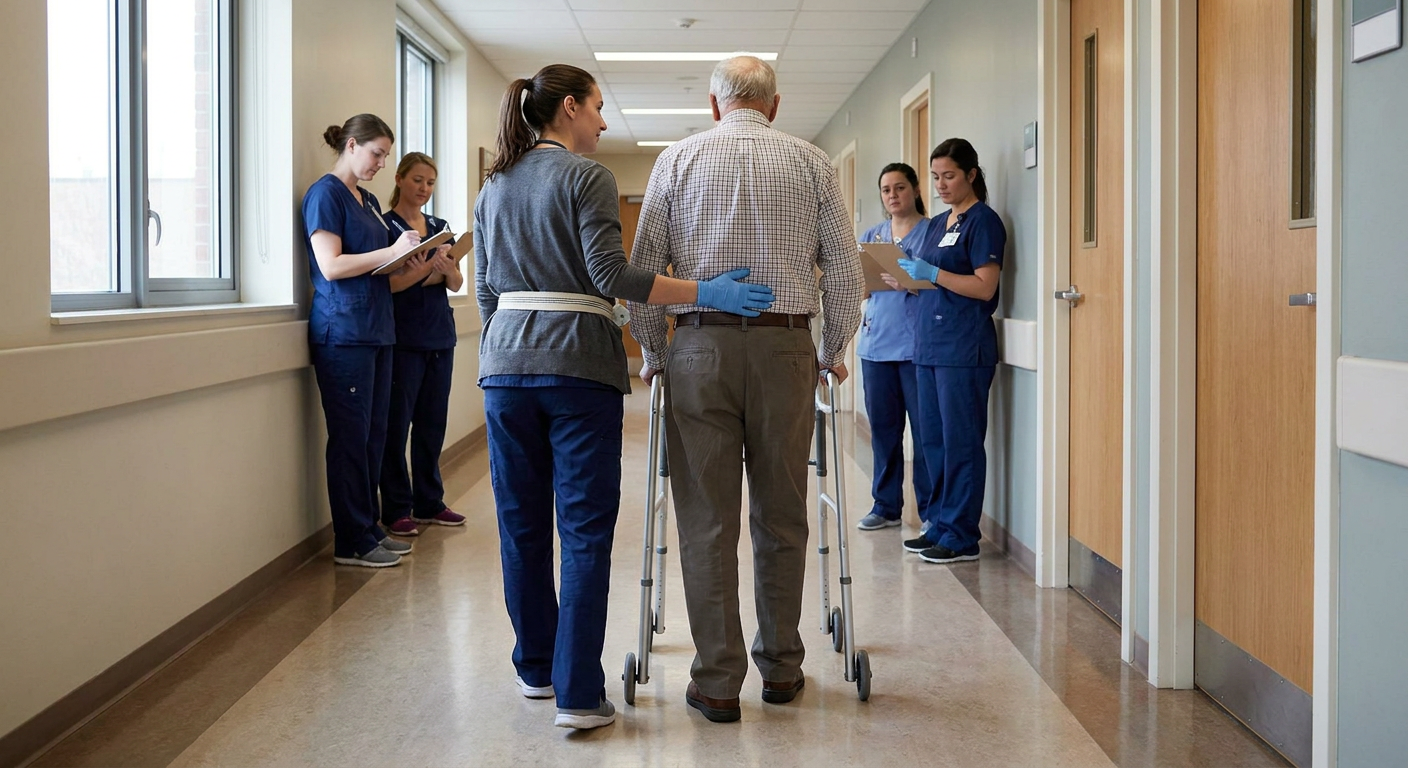
Build nursing skills to screen for fall risk, identify reversible causes, select individualized interventions, and teach safe mobility and assistive-device use.
 3 contact hours
Build practical skills to deliver respectful, equitable, legally compliant nursing care across cultural, linguistic, religious, disability, military, age, racial, and identity differences.
 3 contact hours
After completing this course, the nurse will be able to connect psychotropic medication mechanisms with indications, expected responses, common adverse effects, and urgent safety concerns.
 2 contact hours
Builds nursing skill in recognizing, stabilizing, documenting, and reporting suspected child maltreatment and abusive pediatric head trauma.
 3 contact hours
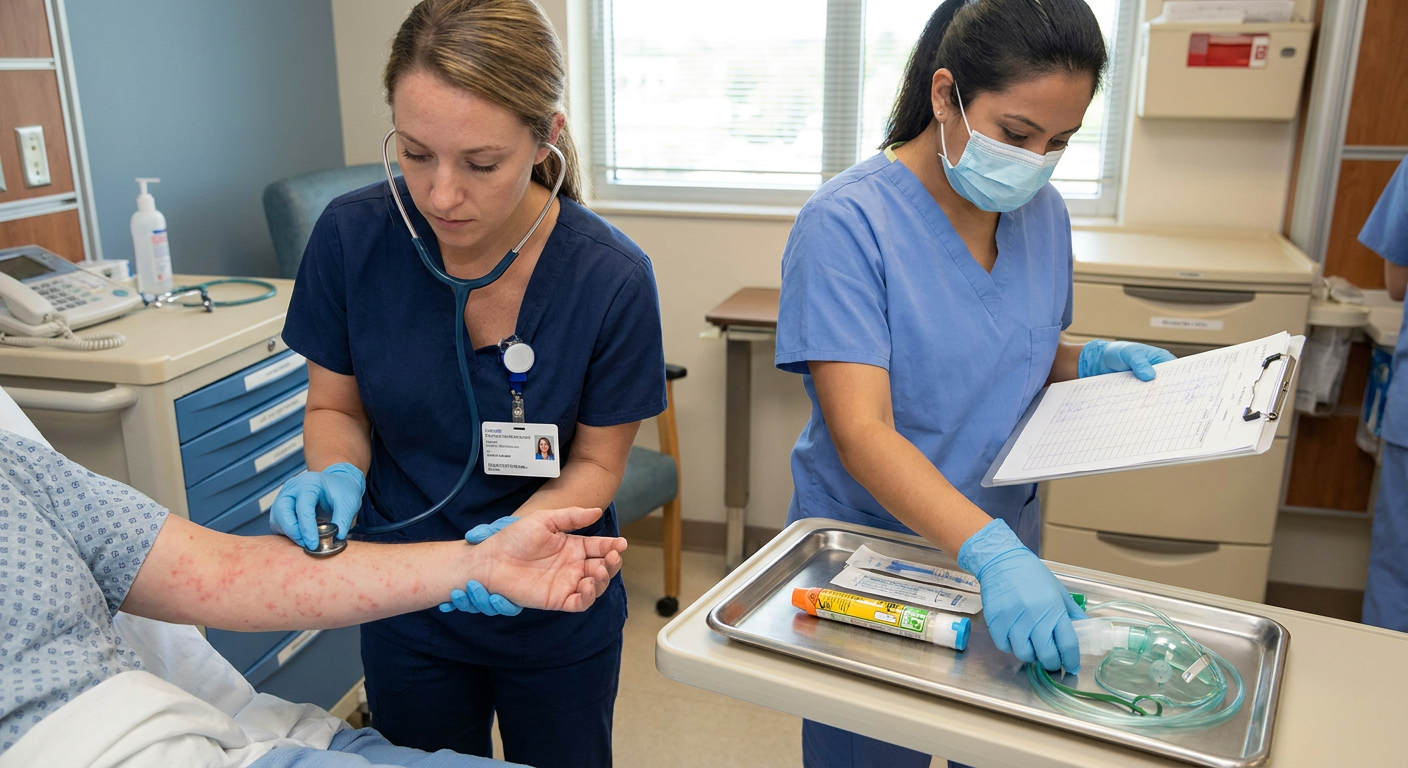
Builds nurses’ skills in distinguishing expected medication effects, adverse events, adverse drug reactions, drug allergy, and anaphylaxis and responding safely.
 2 contact hours
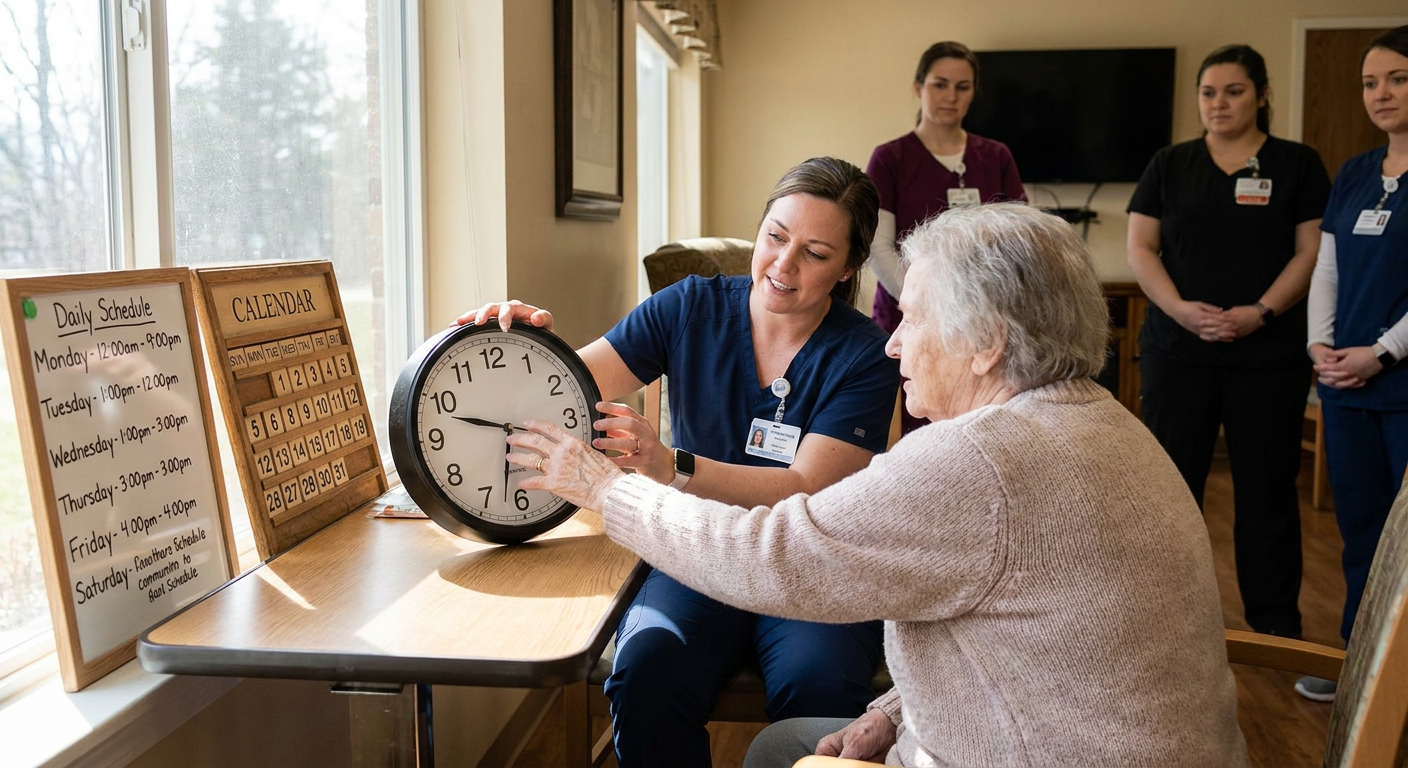
Build nursing skills for recognizing, evaluating, treating, and supporting people across the Alzheimer’s disease continuum using person-centered orientation and reminiscence approaches.
 2 contact hours
Builds nursing skills to recognize discrimination affecting LGBTQ+ people, provide affirming care, respond to safety concerns, and reduce barriers across healthcare settings.
 4 contact hours
Builds practical nursing skills for respectful, evidence-based, legally informed care of transgender and gender-diverse people across healthcare settings.
 3 contact hours
Prepares nurses to recognize, report, and respond to a potential or actual active shooter event while accounting for patients who cannot independently evacuate.
 5 contact hours
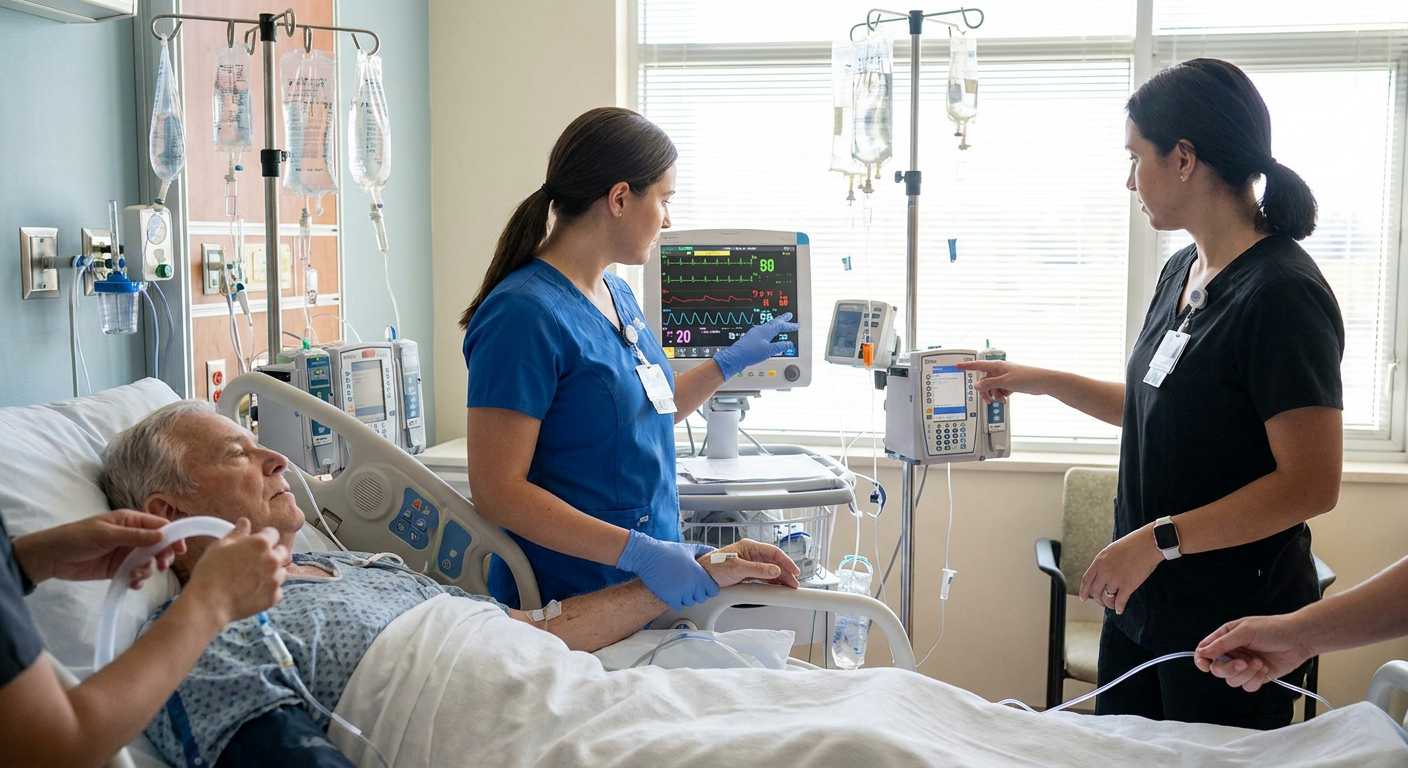
Build rapid assessment and nursing management skills for distributive, cardiogenic, hypovolemic, and obstructive shock in adults and children.
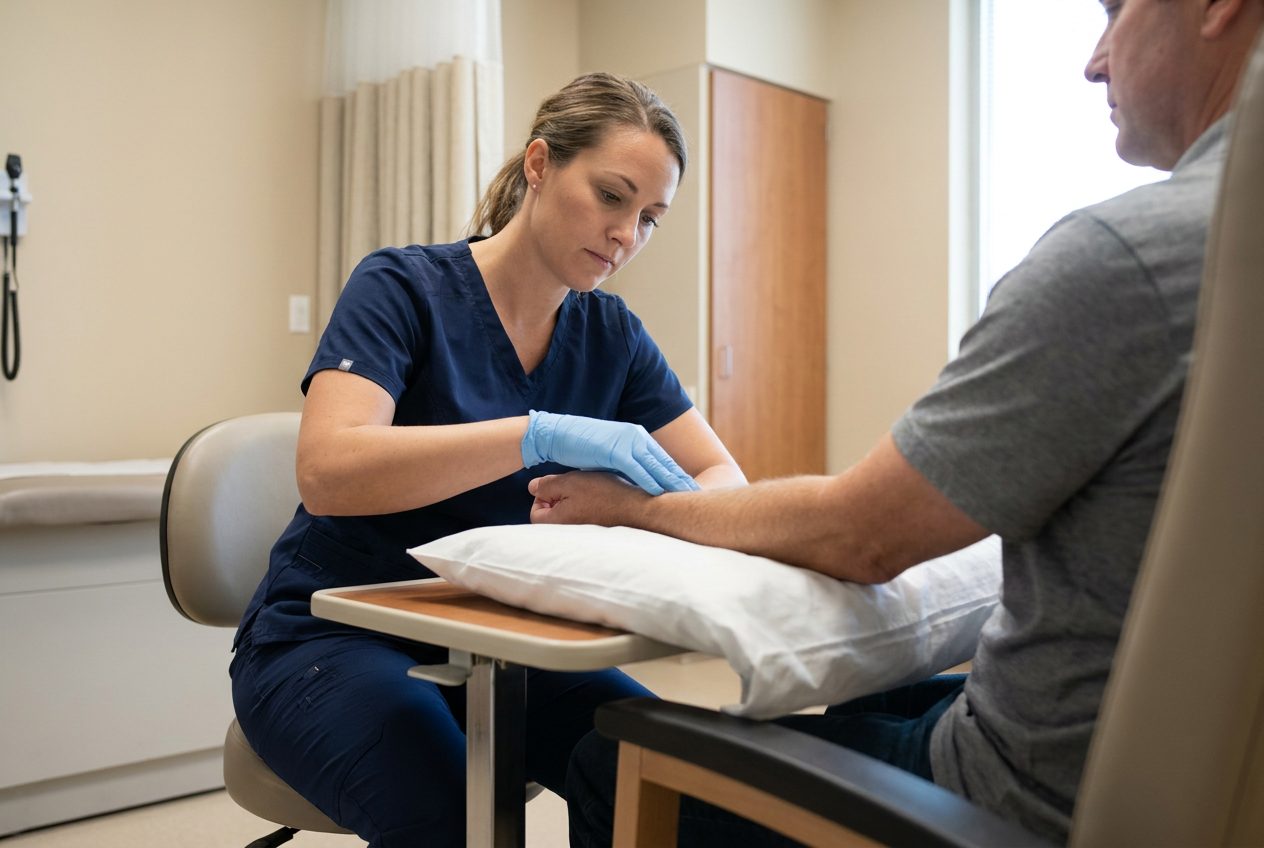 4 contact hours
This course prepares nurses to select, insert, access, maintain, assess, and discontinue peripheral and central vascular access devices using evidence-based infection-prevention and safety practices. It progresses from device terminology and infection pathogenesis to site selection, aseptic care, complication recognition, dialysis considerations, and application in clinical scenarios.
 2 contact hours
Learn how nurses use structured presurgical huddles to identify hazards, coordinate resources, escalate concerns, and support safer perioperative care.
 3 contact hours
Build nursing skill in monitoring development from birth through age 5, recognizing concerning patterns, communicating findings, and initiating timely referral and support.
 4 contact hours
Build practical skills to recognize frontotemporal dementia, support diagnostic evaluation, manage symptoms and safety risks, and provide person-centered nursing care.
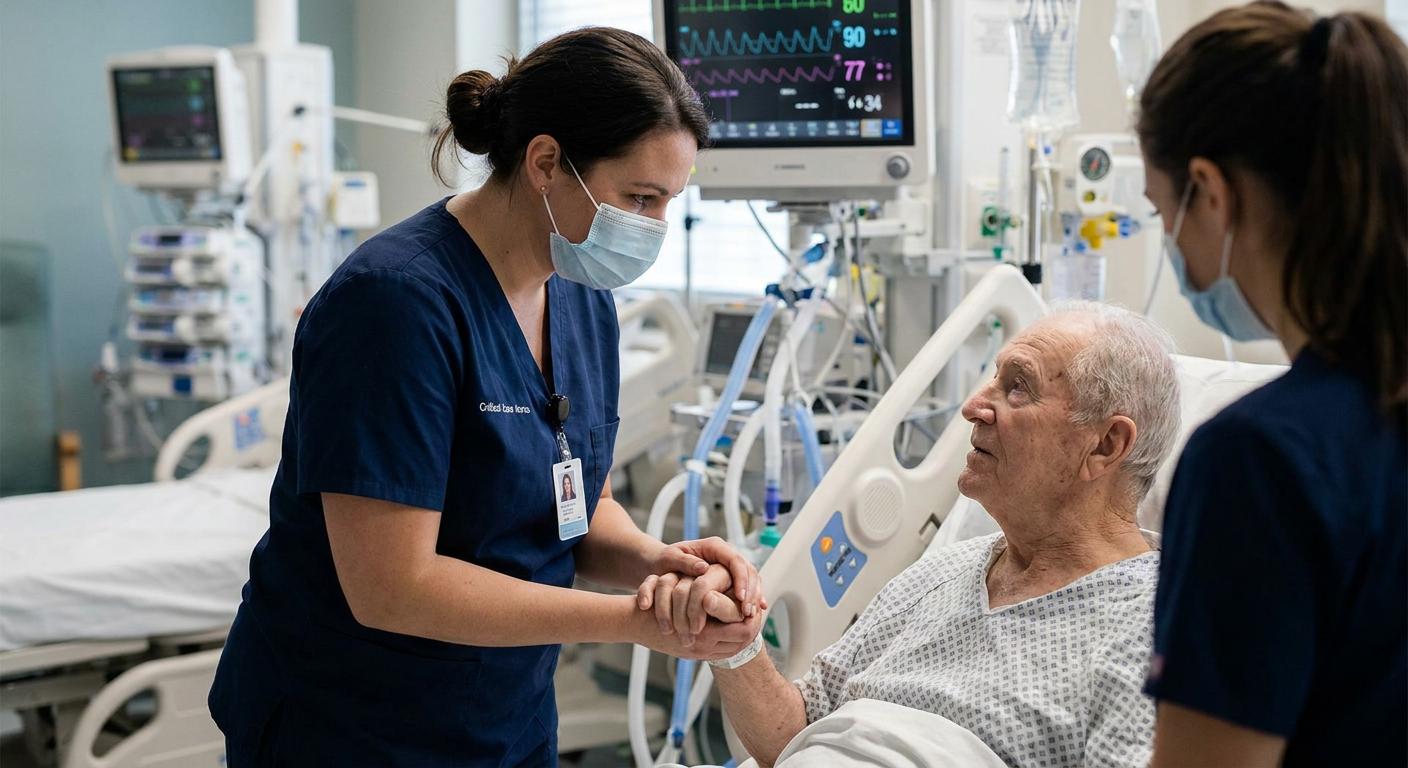 4 contact hours
Prepare nurses to prevent, detect, evaluate, and safely manage delirium and related behavioral changes in critically ill adults.
 8 contact hours
An 8-hour clinical review of seizure recognition, classification, assessment, treatment, emergency response, patient safety, and nursing care across the lifespan.
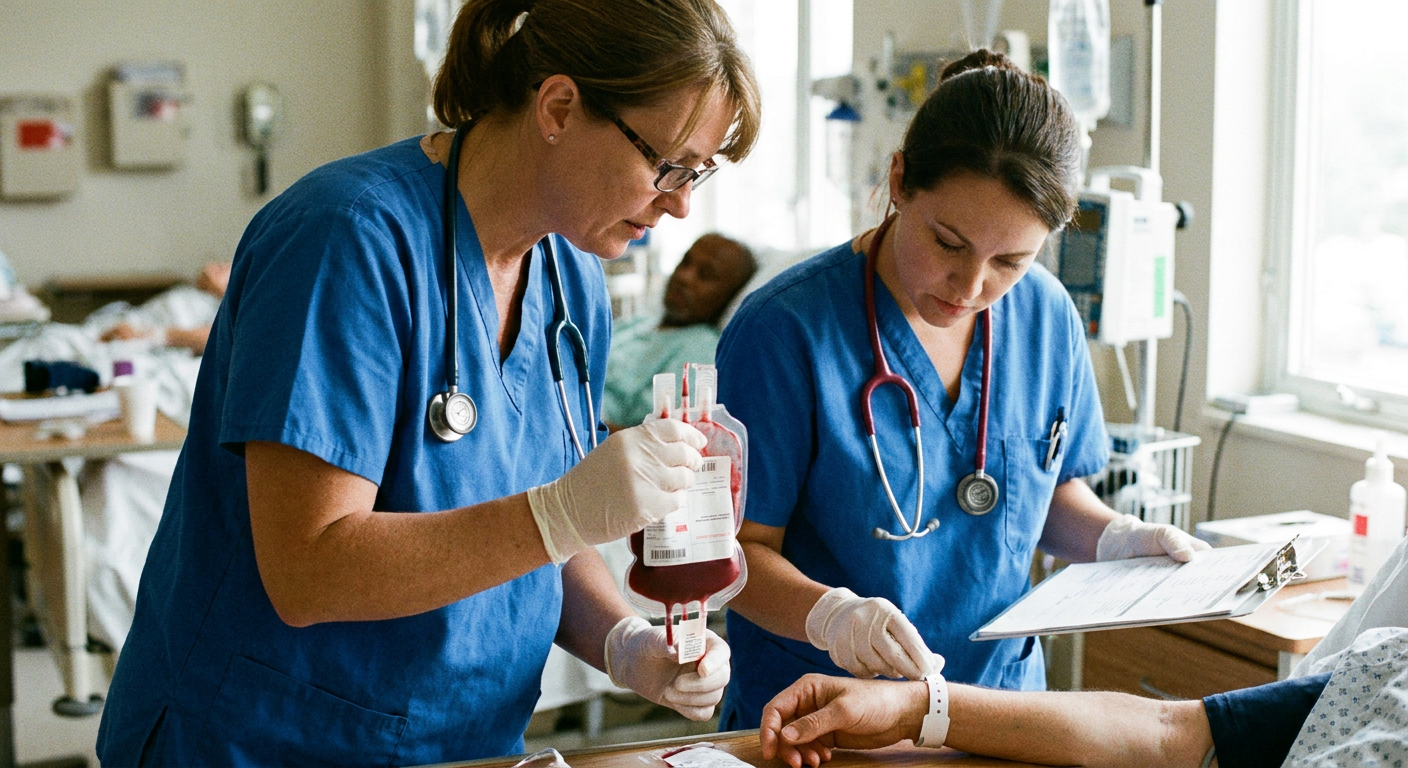 5 contact hours
Build safe, evidence-based practice for selecting, verifying, administering, monitoring, and responding to transfusions of blood components.
 4 contact hours
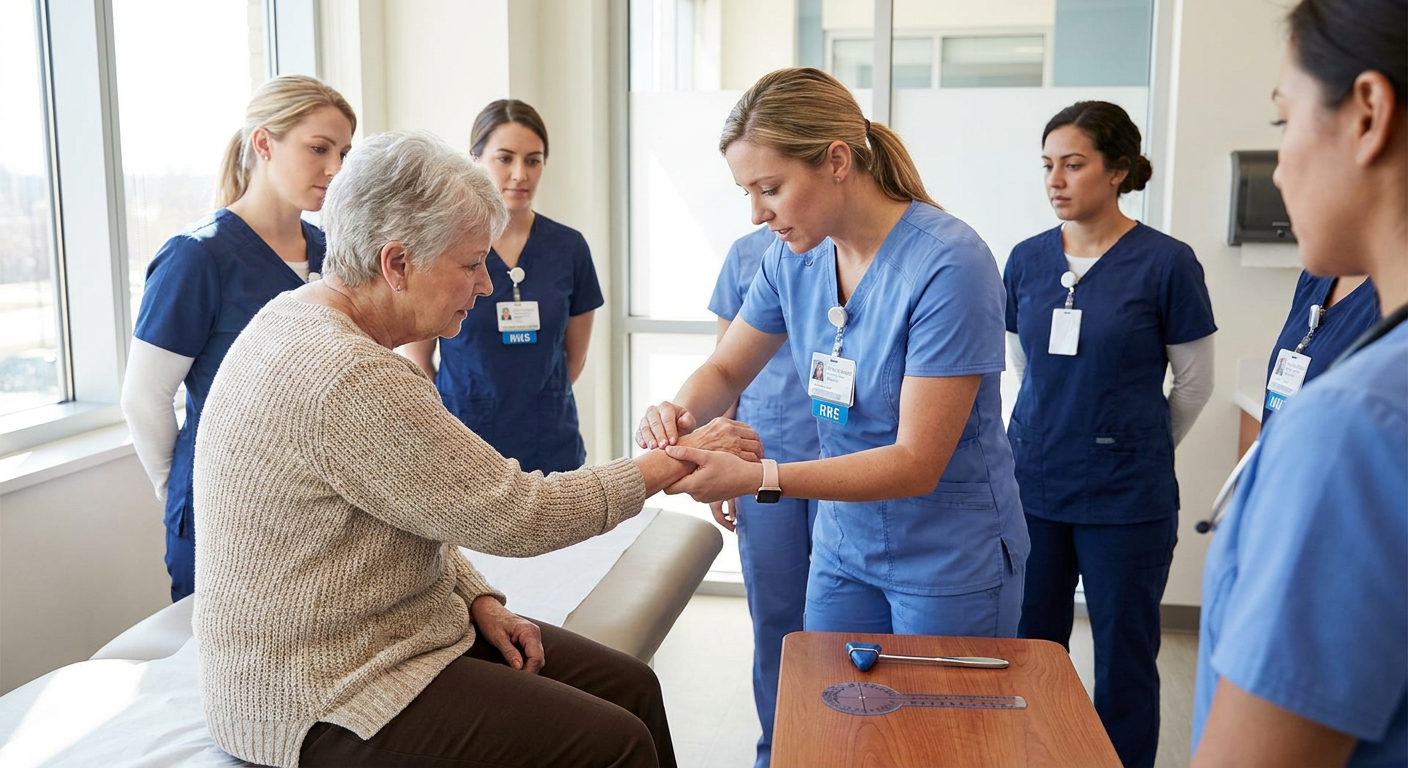
After completing this course, nurses will be able to distinguish common arthritic and arthritis-associated conditions using symptom patterns, examination findings, laboratory data, imaging, and synovial fluid results.
 2.5 contact hours
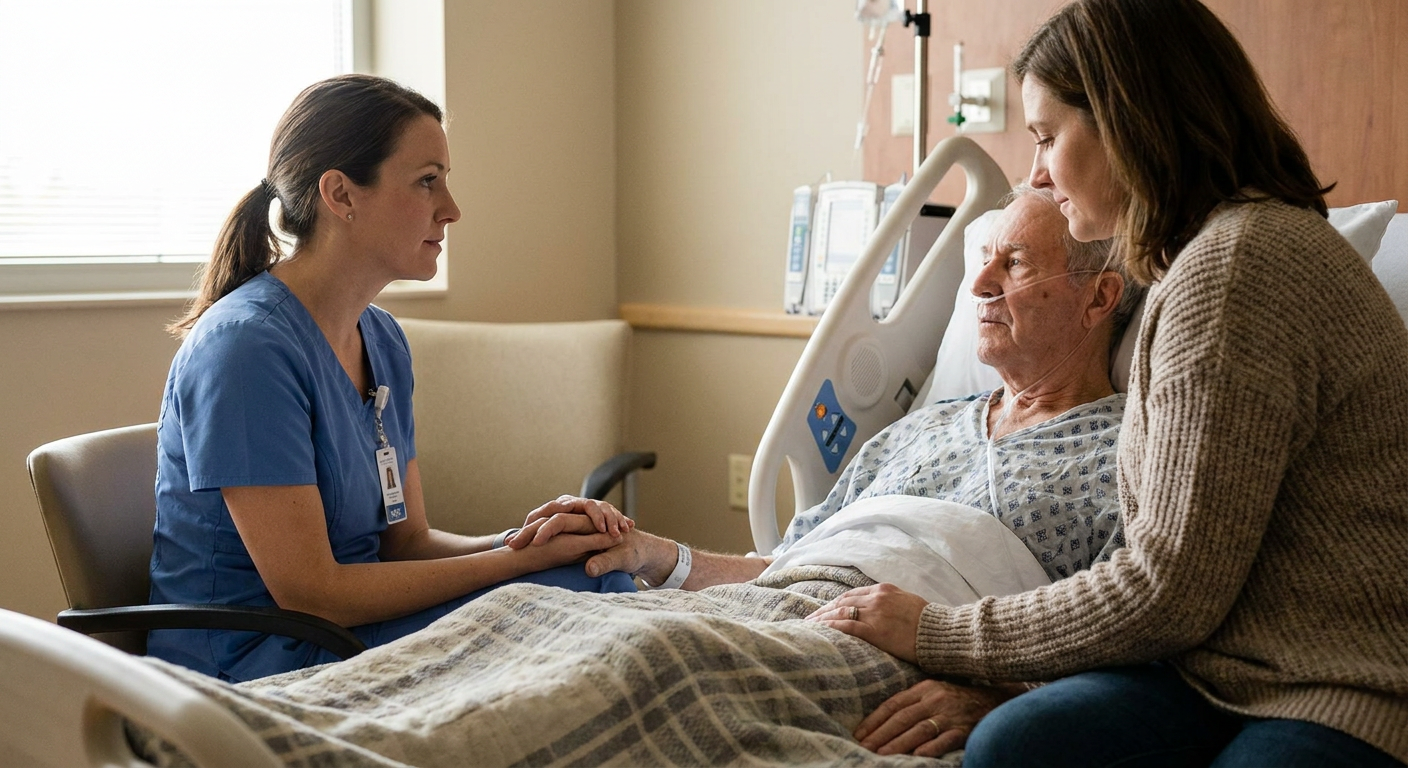
Build practical nursing skills to preserve dignity, assess distress, support spiritual needs, communicate goals, and provide patient-centered care near death.
 10 contact hours
Apply current nursing ethics codes, structured reasoning, informed consent standards, advocacy practices, and professional accountability to common clinical dilemmas.
 5 contact hours
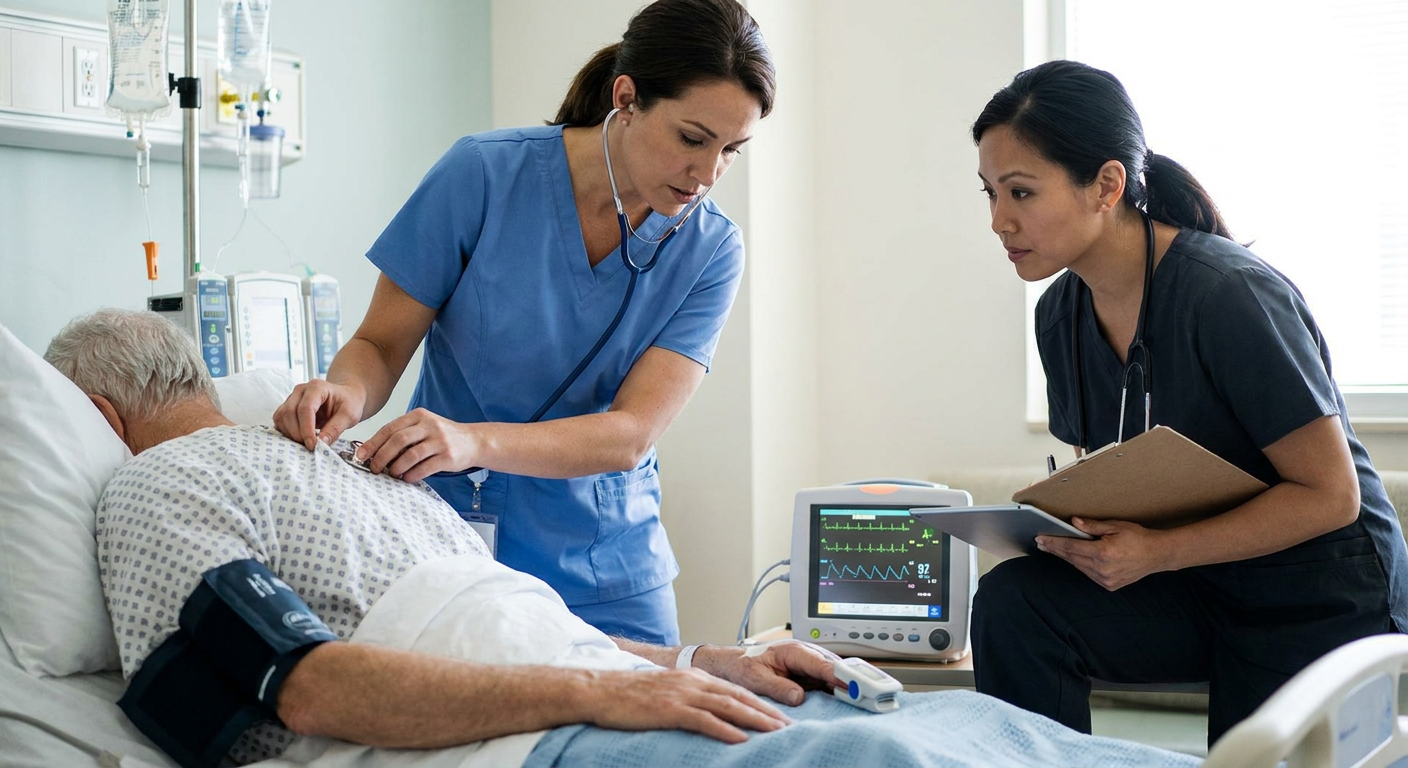
Build practical nursing skills to assess, stabilize, educate, and coordinate care for adults with acute or chronic heart failure across care settings.
 2 contact hours
A practical, evidence-based review of HIPAA privacy, security, permitted disclosures, breach response, and nurses’ responsibilities in all U.S. care settings.
 3 contact hours
Build nursing skills to recognize patient anxiety, identify urgent causes, communicate clearly, and use safe, trauma-informed interventions across healthcare settings.
 4 contact hours
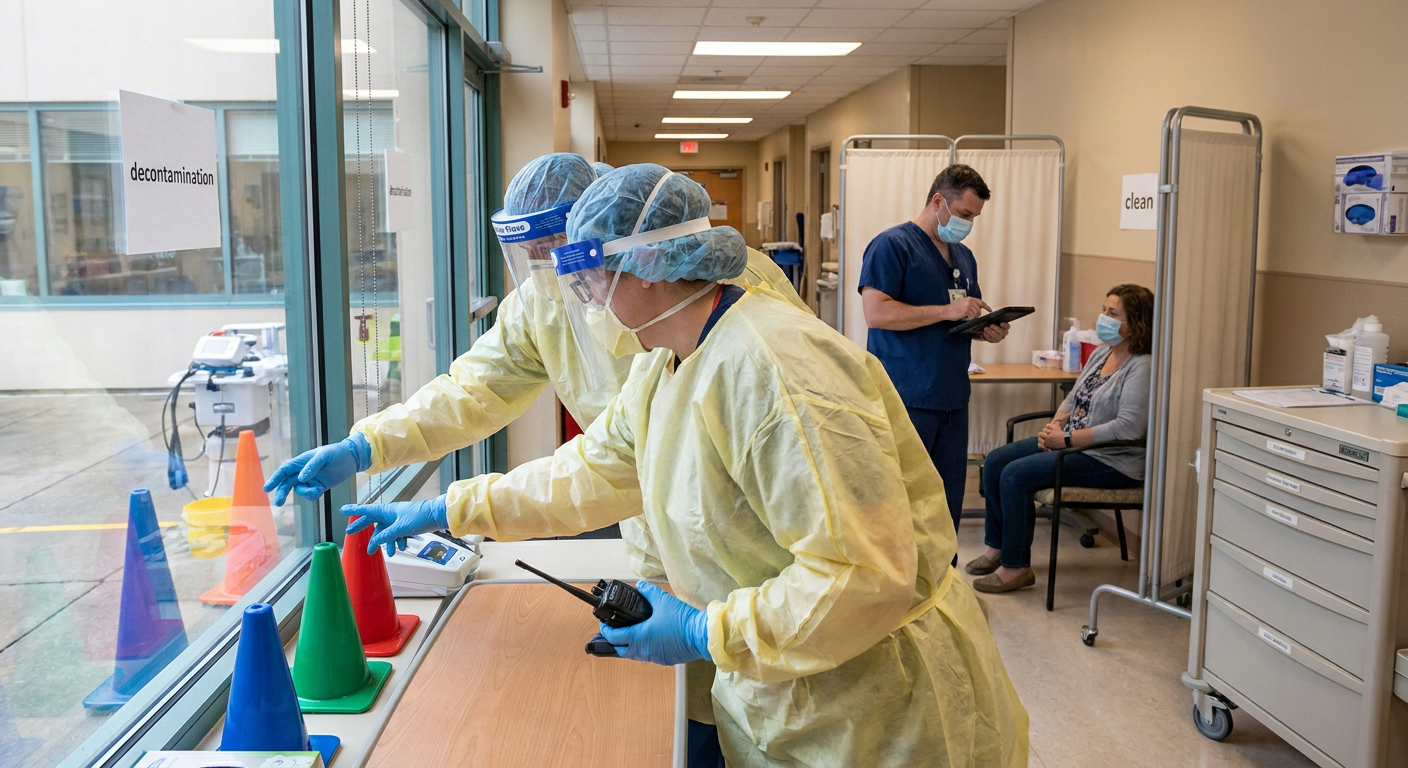
Prepares nurses to recognize, protect against, report, and support the emergency management of chemical, biological, radiological, nuclear, and explosive incidents.
 3 contact hours
A practical, evidence-based course on recognizing, assessing, triaging, and coordinating treatment for postpartum depression across US care settings.
 4 contact hours
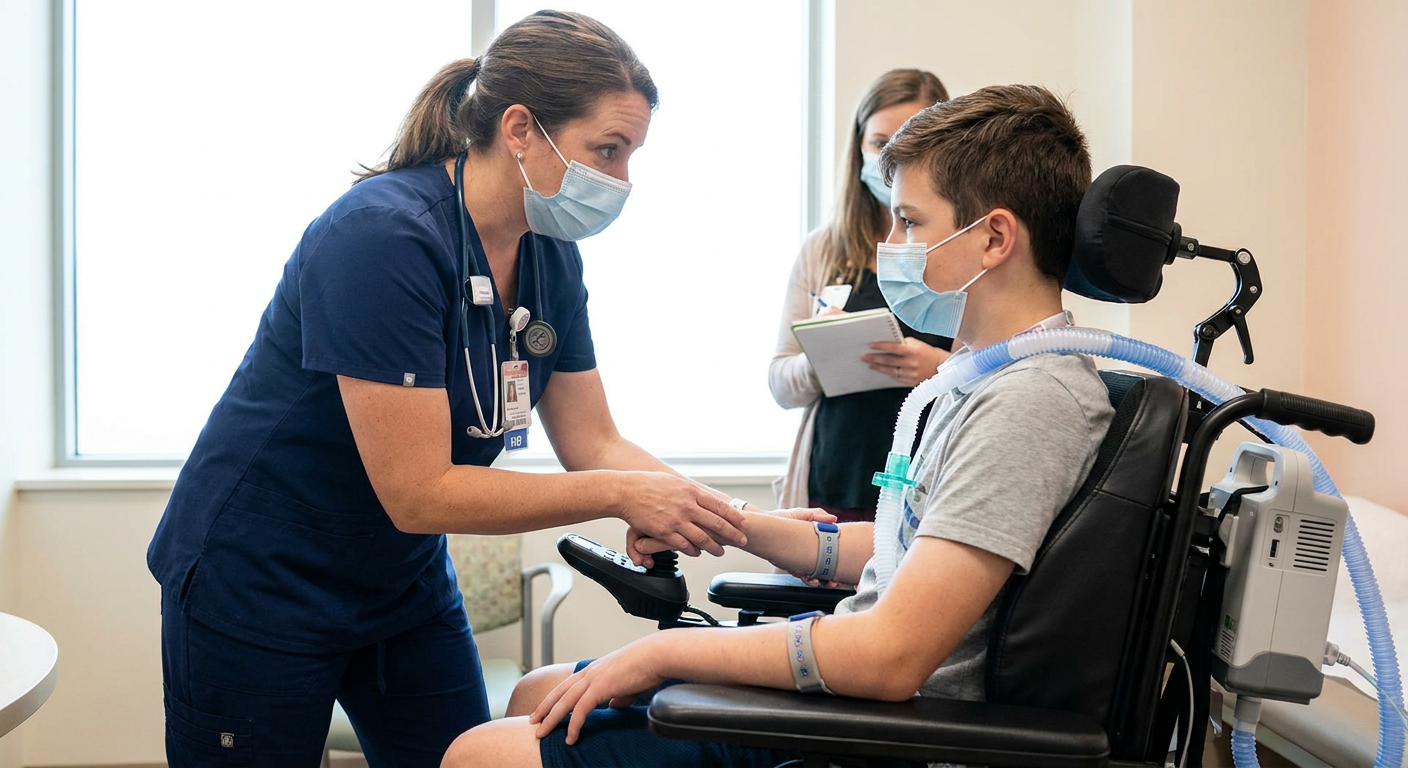
A practical nursing overview of muscular dystrophies, with emphasis on recognition, diagnosis, Duchenne care, complication surveillance, and interdisciplinary management.
 3 contact hours
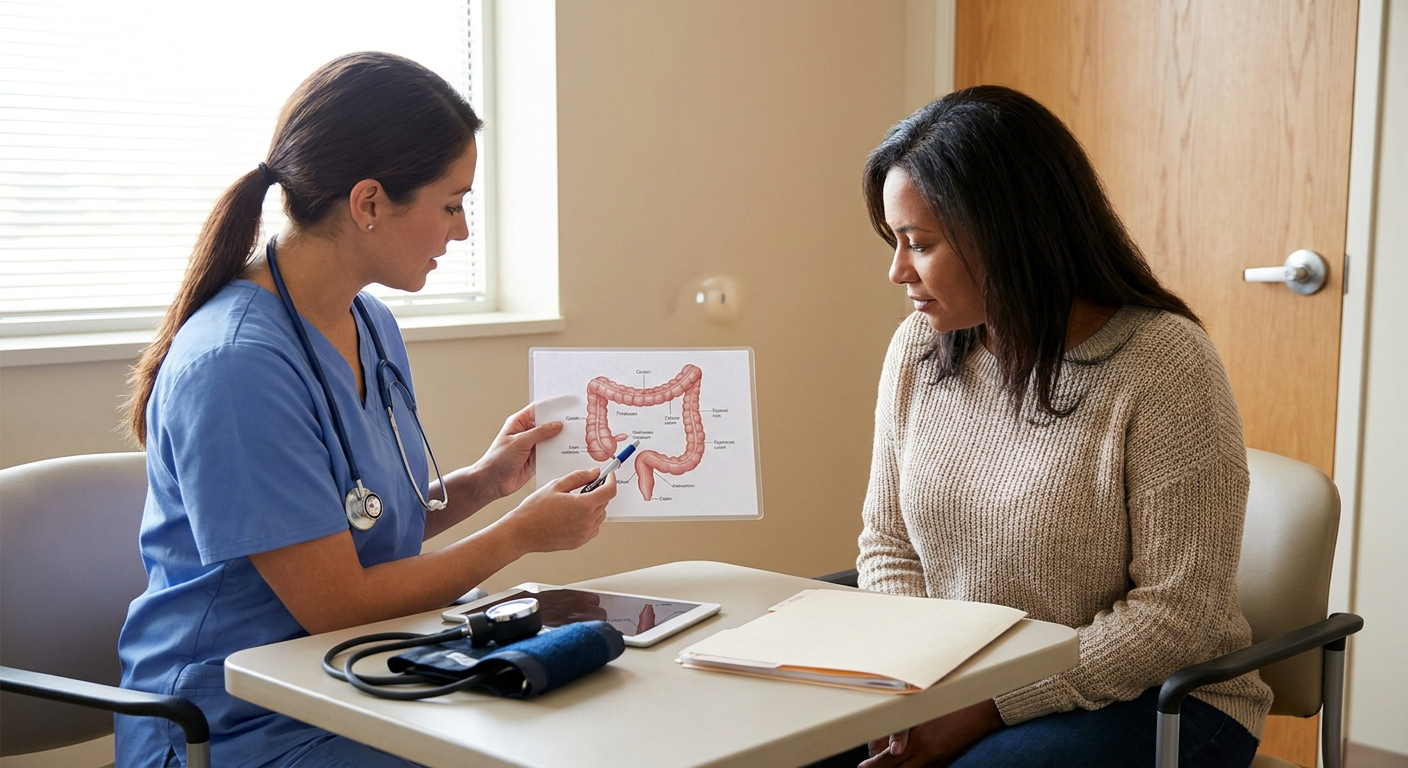
After completing this course, nurses will be able to identify colorectal cancer risk factors, recognize concerning symptom patterns, and distinguish screening from diagnostic evaluation.
 5 contact hours
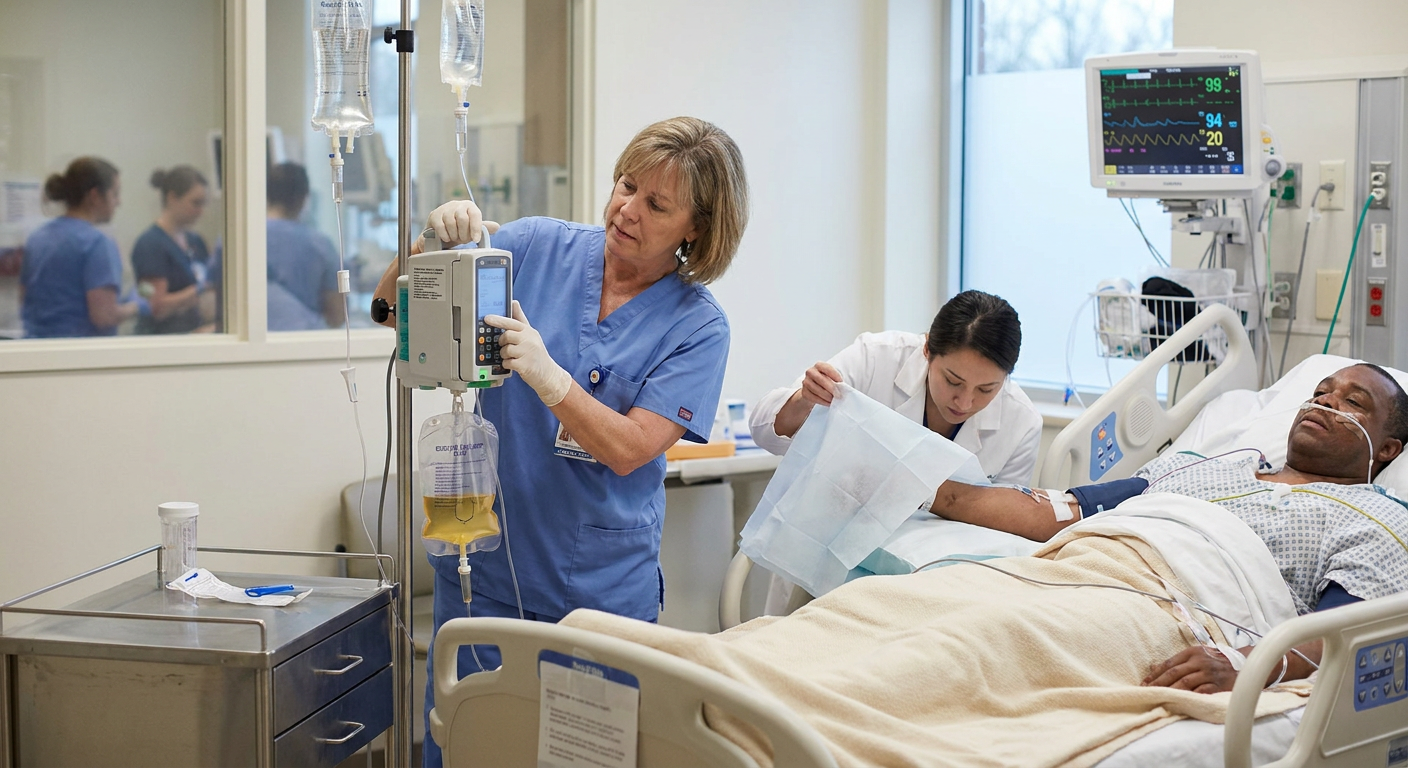
Builds nursing competence in burn assessment, first-hour stabilization, individualized fluid resuscitation, complication prevention, and transfer during the first 24 hours.
 3 contact hours
Build nursing competence in assessing, educating, and monitoring patients who use medical cannabis or cannabidiol while accounting for evidence, interactions, safety, and law.
 4 contact hours
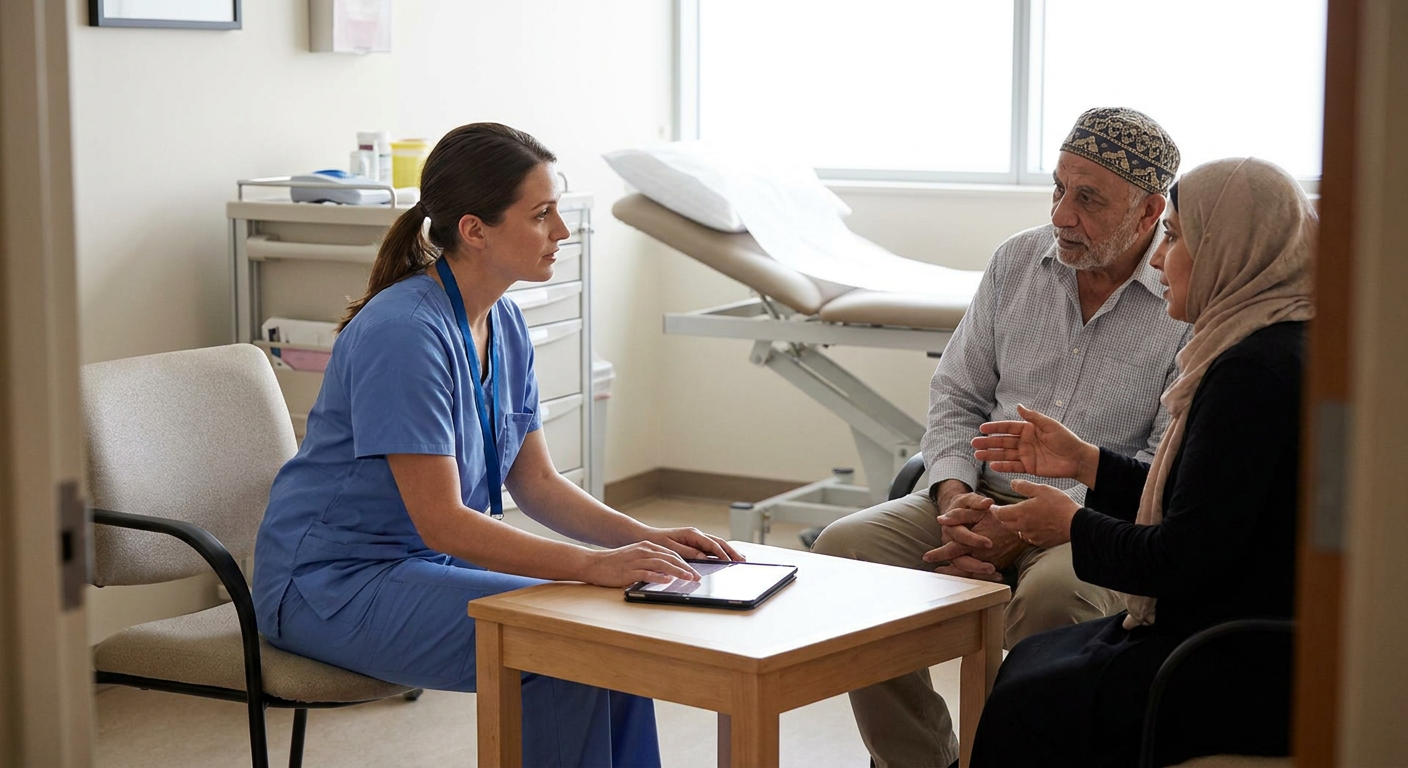
Build practical skills in cultural humility, bias mitigation, language access, inclusive assessment, and equitable nursing care across diverse populations.
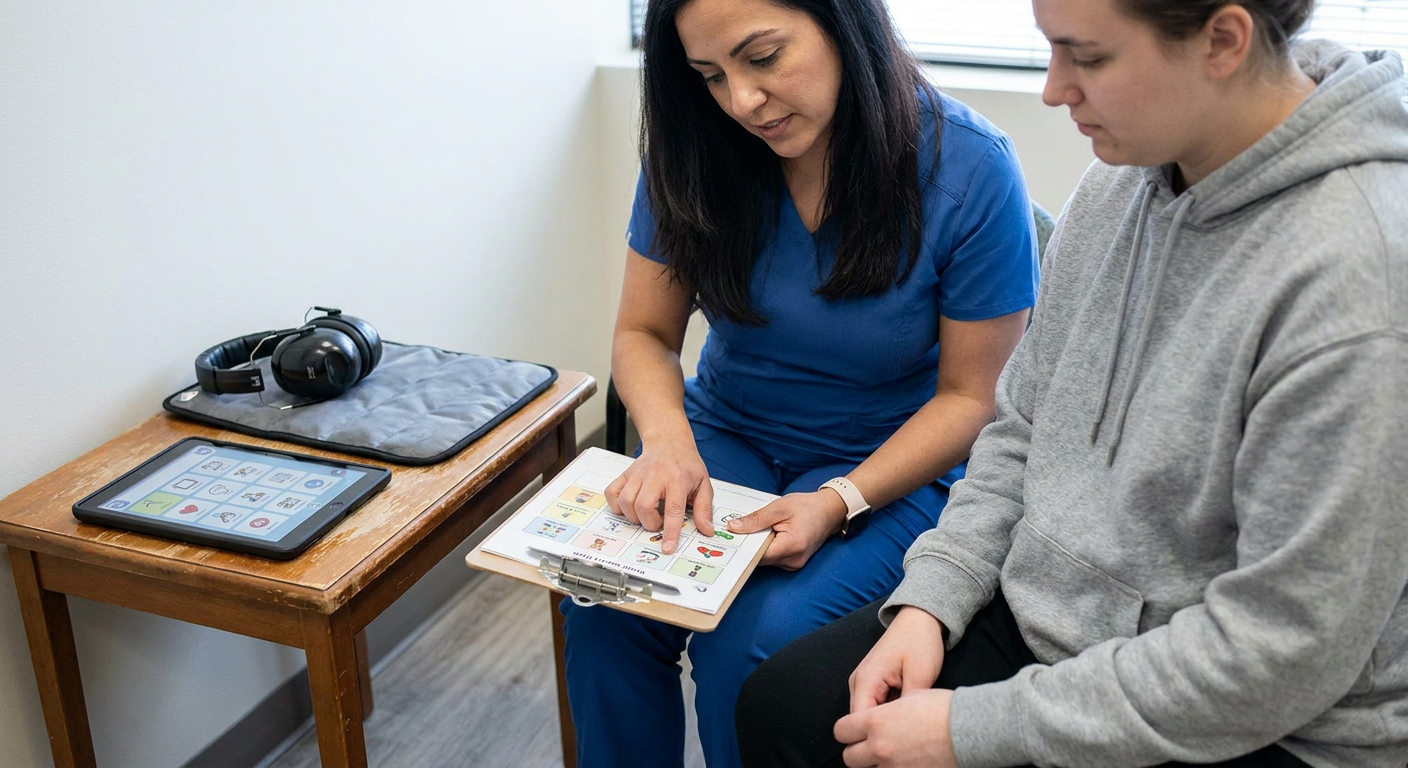 4 contact hours
Build practical nursing skills for recognizing autism, supporting assessment, adapting care, managing health needs, and partnering with autistic people and families across the lifespan.
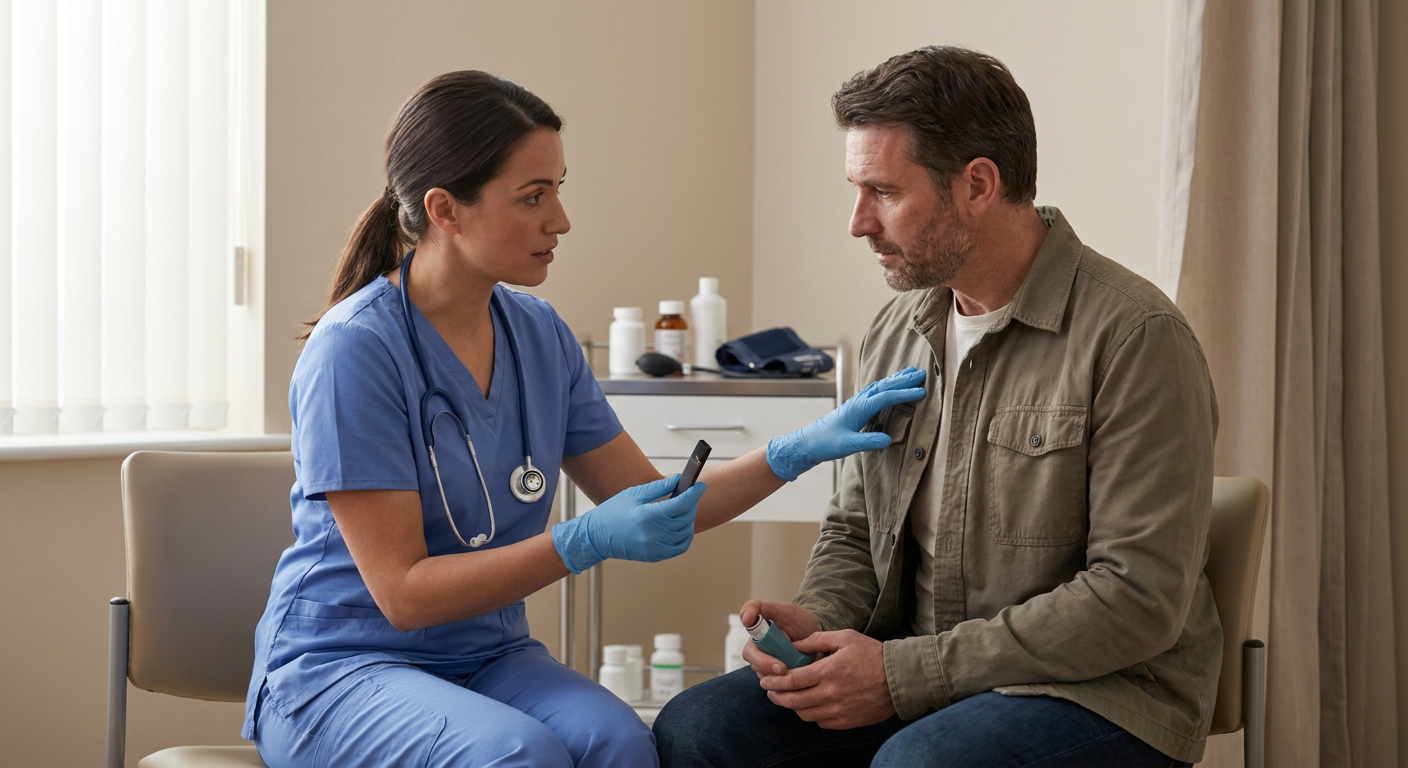 3 contact hours
Evidence-based guidance for assessing vaping exposure, recognizing acute and chronic complications, treating nicotine dependence, and providing patient-centered nursing care.
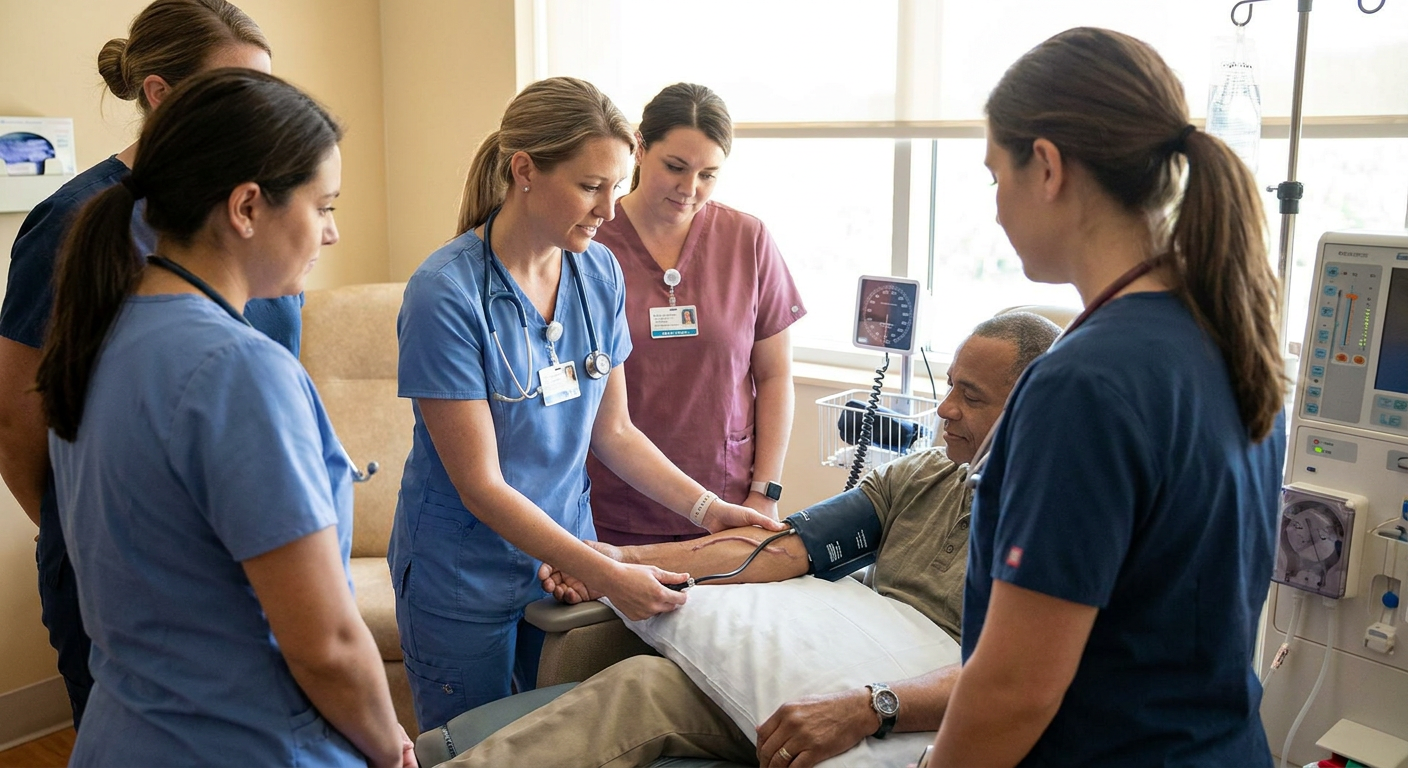 3 contact hours
Current nursing care for adults with kidney failure, including assessment, urgent complications, kidney replacement therapy, and person-centered care planning.
 3 contact hours
A substantial, source-bounded course draft for practicing nurses that connects organizational prevention systems with bedside infection control. Eight lessons address core practices, hand hygiene, Standard Precautions and PPE, Transmission-Based Precautions, urinary catheter care, vascular access, injection safety, and environmental practices with hospital antibiotic stewardship. Clinical content is grounded exclusively in the supplied CDC excerpts. Areas not addressed by those excerpts are identified for facility-policy guidance and clinical review.
 3 contact hours
Quality improvement begins by describing a difference between current care and the care patients should reliably experience. This course develops practical reasoning in quality improvement and covers eight connected topics.
 3 contact hours
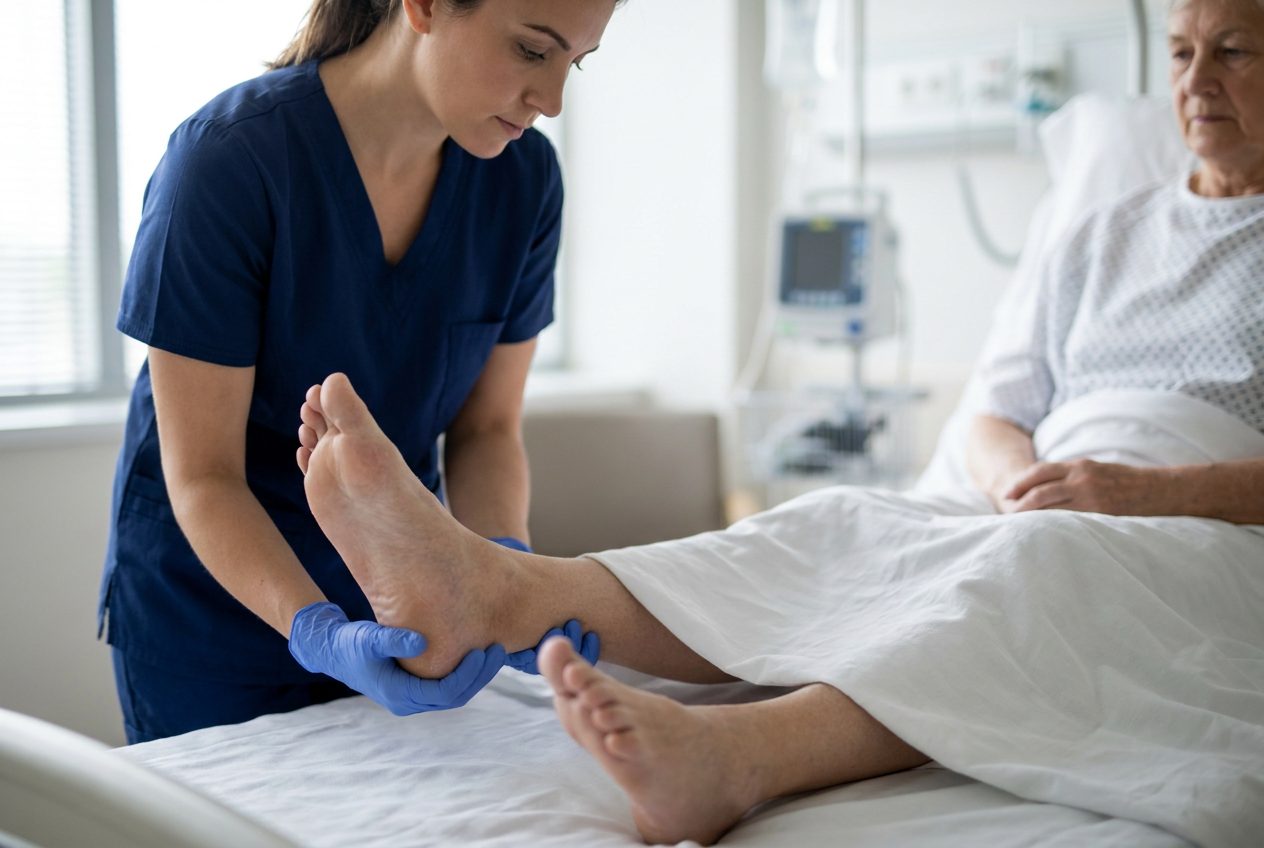
This course builds nursing competence in wound-healing fundamentals, systematic skin assessment, infection prevention, pressure-injury prevention, diabetic foot care, and closed surgical-wound care. It concludes with applied care planning, escalation, patient education, interdisciplinary communication, and reliable implementation across hospitals, long-term care, and home settings.