
Planning
Camp Nursing: Continuing Education for Summer Camp Nurses
Camp nursing CE can help registered nurses and licensed practical or vocational nurses prepare for medication management, emergencies, injuries, communicable illnesses and the unique demands of caring for campers away from home. Nurses should choose relevant courses, review camp policies and confirm
Updated 2026-11-10 · Nursing CE editorial team
Every course included · Instant certificates · Renews yearly, cancel anytime before renewal
- Board-approved provider (CA, FL, NV, NY, PA, OH)
- Contact hours and accepted states listed on every course
- Certificate issued the moment you pass
Quick answer
Camp nursing CE should focus on the situations summer camp nurses commonly manage, including first aid, medication safety, allergies, asthma, heat illness, infection prevention and behavioral health concerns. Because responsibilities and licensing rules vary, follow your camp’s protocols and confirm CE requirements directly with your nursing board.
What does a summer camp nurse do?
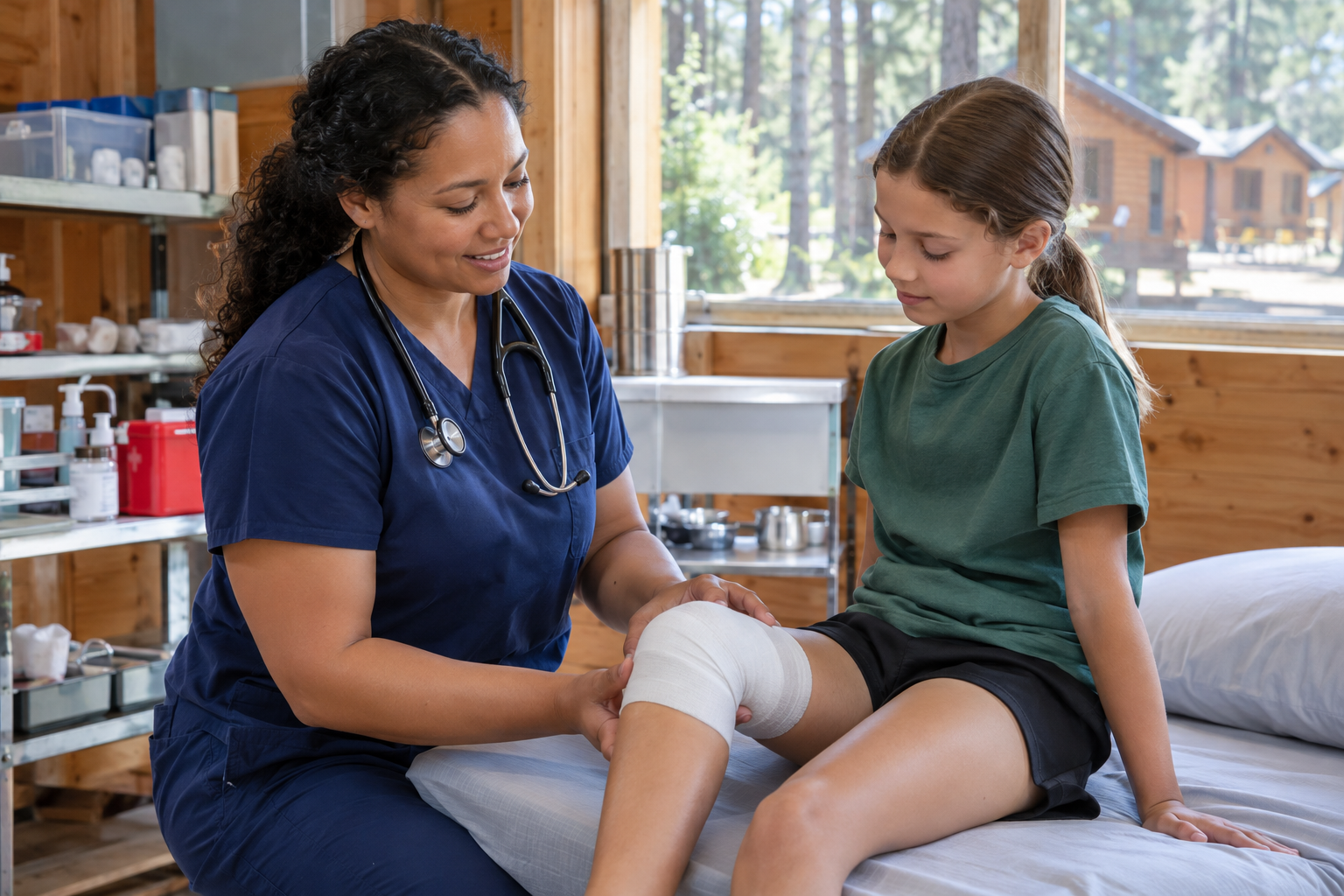
A summer camp nurse supports the health and safety of campers and staff in a setting that may be far from a clinic or hospital. Daily responsibilities can include health screening, medication administration, first aid, illness assessment, documentation and communication with parents, guardians, camp leaders and healthcare professionals.
The exact role depends on the camp population, location, available resources and length of each session. Some camps serve children with complex medical needs, while others primarily require routine medication support and a response plan for injuries or sudden illness.
Before camp begins, clarify your scope of practice, chain of command and access to emergency medical services. Review the camp’s standing procedures, emergency action plans and documentation requirements, and always follow facility protocols and applicable nursing laws.
Which health risks are common in camp nursing?
Camp nurses may see cuts, sprains, insect bites, sunburn, gastrointestinal symptoms and respiratory complaints. Outdoor activity can also increase the risk of dehydration, heat-related illness, allergic reactions and exposure to ticks or other environmental hazards.
Medication safety is another major concern. Campers may arrive with prescription medicines, rescue inhalers, epinephrine devices or other health supplies, so nurses need a reliable process for receiving, storing, administering and documenting medications according to authorized orders and camp policy.
Communicable illness can spread quickly in shared cabins, dining areas and activity spaces. Hand hygiene, symptom monitoring, environmental cleaning and clear isolation or exclusion procedures can help reduce transmission. Follow public health guidance and the camp’s established protocols when responding to possible outbreaks.
Finish all your CE hours in one place
Unlimited online courses for $29.99 a year, with certificates the moment you pass.
Apple Pay & Google Pay on supported phones Visa · Mastercard · Amex · DiscoverSecure checkout by Stripe
What topics should camp nursing CE cover?
Useful camp nursing CE topics include pediatric assessment, first aid, emergency response, medication safety and clinical documentation. Education on asthma, anaphylaxis, seizures, diabetes and other conditions may also be valuable when campers have known health needs.
Courses addressing infection prevention, communicable diseases, hydration and heat-related illness can support care in outdoor and group-living environments. Nurses working near lakes, pools or adventure activities may also benefit from education related to water safety, trauma recognition and emergency preparedness.
Behavioral health education is relevant because campers may experience homesickness, anxiety, bullying, sleep problems or emotional distress. Training in therapeutic communication, trauma-informed care, suicide risk recognition and mandatory reporting can help nurses respond appropriately while following camp policy and state law.
How can continuing education prepare nurses for camp emergencies?
Continuing education can refresh assessment skills and help nurses recognize when a camper needs immediate intervention or transfer to a higher level of care. It can also reinforce structured communication when contacting emergency responders, parents, guardians or off-site clinicians.
Education alone does not replace camp-specific preparation. Nurses should know where emergency supplies are kept, how to summon help, who may transport a camper and what communication options are available if cellular service is limited.
Participate in orientation and emergency drills whenever possible. Review plans for severe weather, missing campers, mass illness, fire, water emergencies and other risks relevant to the site, and use your facility’s protocols during any real event.
How should a nurse prepare before summer camp starts?
Ask for a written job description and learn which campers or staff members have health plans, allergies, activity restrictions or ongoing treatment needs. Confirm how health information, consent forms, medication orders and emergency contacts will be collected and stored.
Inspect the health center and verify access to supplies, secure medication storage, refrigeration when required, communication tools and transportation. Learn the location of emergency equipment throughout the property and determine how quickly outside medical support can typically be reached.
Discuss staffing coverage, overnight responsibilities and procedures for leaving camp with a patient. Clear expectations can reduce gaps in care and help nurses identify concerns before campers arrive.
Where can nurses find flexible camp nursing CE?
Online, self-paced continuing education can make it easier to review camp-relevant topics before or during the summer season. Choose courses that fit your role and verify that they meet your nursing board’s requirements before relying on them for license renewal.
Our All-Access pass costs $29.99 per year and renews yearly unless canceled before renewal. Every course on this site is included, and nurses can study online at their own pace and receive instant certificates after successful completion.
Nurses who want to try a course first can take Improving Interprofessional Communication and Collaboration for free. Communication skills are particularly useful at camp, where nurses coordinate with counselors, administrators, families, emergency responders and community clinicians.