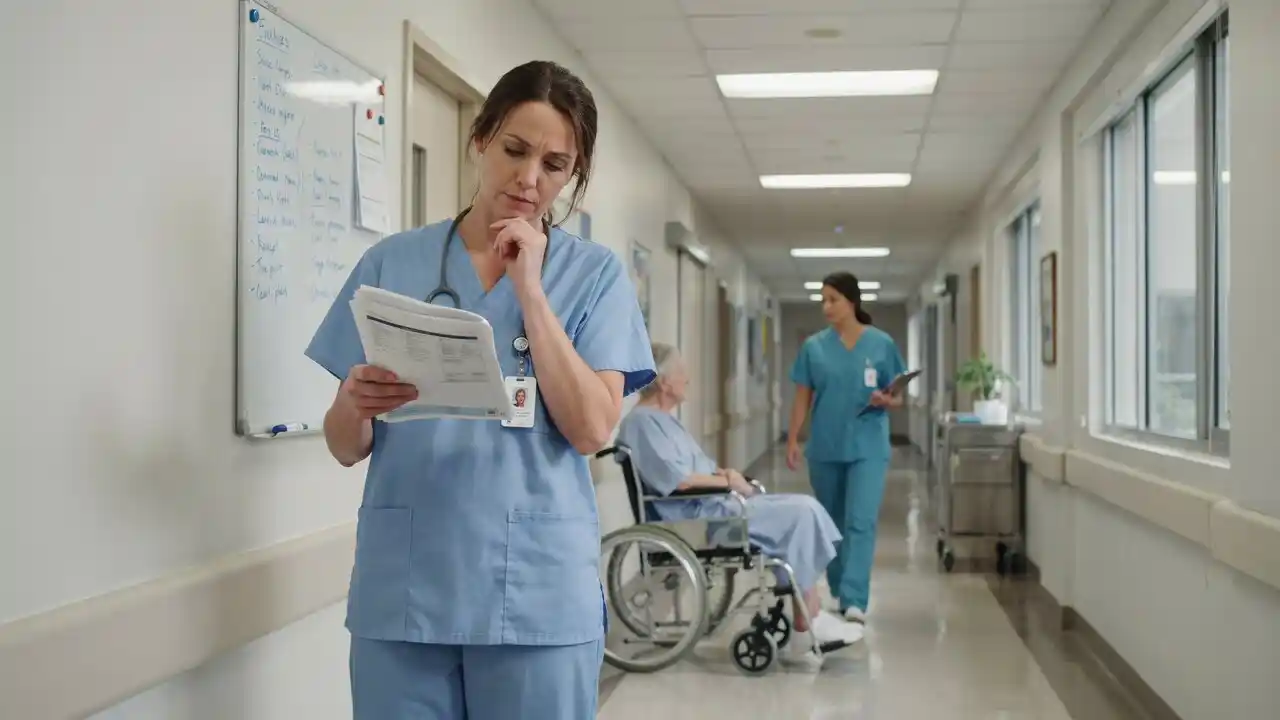
A patient nods along, but never takes the medication you prescribed. A family pulls back the moment you mention end-of-life care. Something is getting lost — and it’s not the diagnosis. Cultural competency in healthcare closes that gap, and Fast CE For Less can help you and your team build it, starting today.
What Is Cultural Competency in Healthcare?
Cultural competency in healthcare describes the ability of providers to understand, respect, and respond to patients’ cultural beliefs, values, and practices during care. It combines knowledge, awareness, and communication skill — not just good intentions. A nurse practicing culturally competent care adjusts her questions, her body language, and her care plan based on who’s actually in front of her.

The term gets confused with three related ideas. Cultural sensitivity means recognizing that differences exist. Cultural humility means staying open and admitting you don’t know everything about a patient’s background. Cultural competency goes further: it requires you to act on that awareness with concrete skills, like using a teach-back method or pulling in a professional interpreter.
Cultural Competency vs. Cultural Humility vs. Cultural Sensitivity
Cultural sensitivity nursing training starts here — you simply notice a difference exists. Cultural humility nursing modules build on that by keeping you curious and stopping overconfidence. Competency is the deliverable: care that actually fits the patient in front of you. Separating these three terms helps you apply the right skill at the right moment instead of treating them as one vague concept.
Why Cultural Competency Matters for Patient Outcomes
Health disparities tied to race, ethnicity, and culture drive avoidable hospitalizations and readmissions across the healthcare system. Patients who trust their provider follow treatment plans more consistently and report higher satisfaction scores. The World Health Organization’s 2019 Global Action Plan specifically called on national health systems to build workforce capacity for treating migrant and refugee populations, and international migration has only grown since.
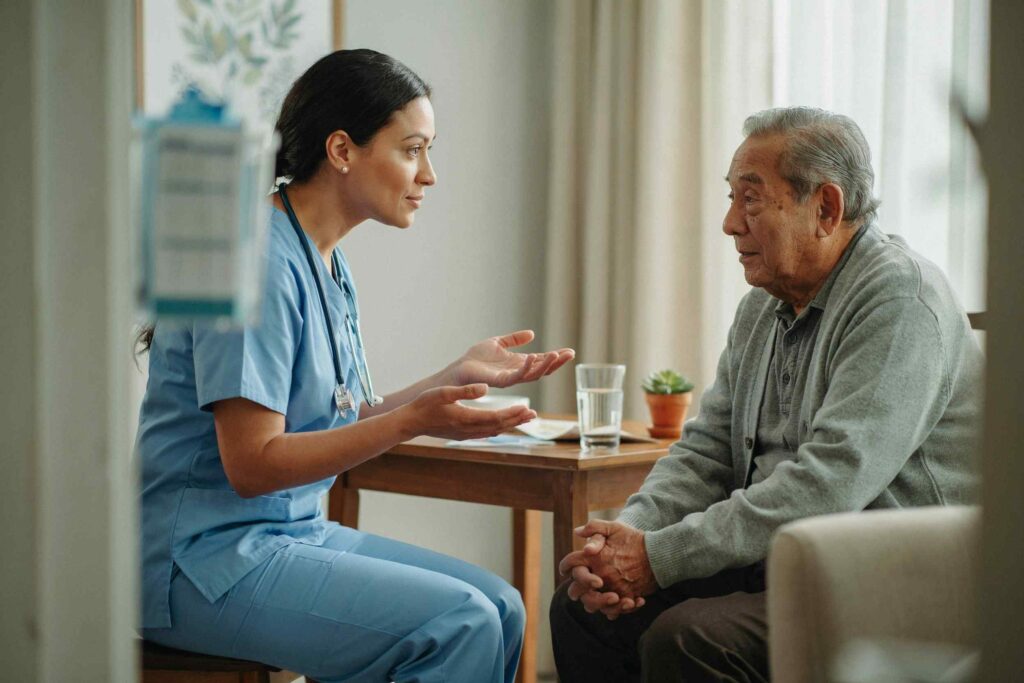
The International Organization for Migration counted more than 272 million people living outside their country of origin as of 2019, a number that keeps climbing. Every one of those patients brings a different set of health beliefs, language needs, and family structures into your exam room. Providers who can’t adapt risk misdiagnosis, medication non-adherence, and patients who simply stop showing up.
The Cost of Cultural Incompetence
Missed cultural cues don’t just hurt patients — they show up on your bottom line. Readmissions tied to poor communication trigger CMS penalties for hospitals. Malpractice literature consistently points to communication failure, not clinical error, as a leading root cause of claims. A single missed interpreter request can turn into a documented incident report.
The Five Core Components of Cultural Competence
Dr. Josepha Campinha-Bacote’s model breaks cultural competence into five constructs: cultural awareness, cultural knowledge, cultural skill, cultural encounters, and cultural desire. Awareness means recognizing your own biases first. Knowledge means learning how different groups understand illness, pain, and treatment. This framework grew out of transcultural nursing research that links a patient’s background directly to care decisions.
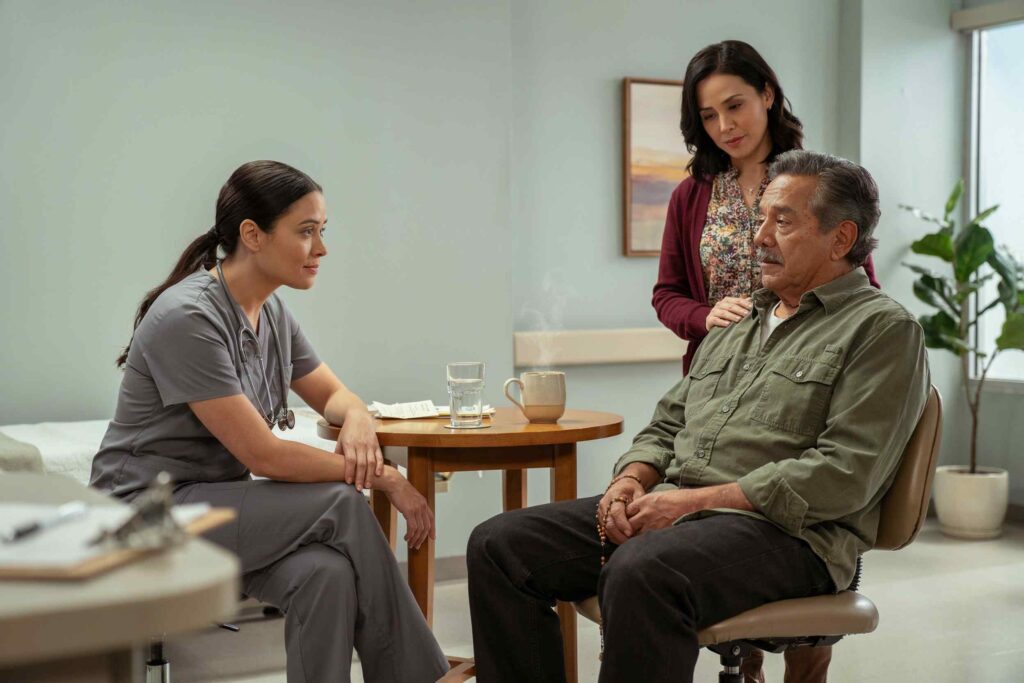
Skill means translating that knowledge into action: asking the right assessment questions, adjusting your tone, knowing when to pause. Encounters means actively seeking face-to-face experience with diverse patients rather than relying on textbooks alone. Desire ties it together — competence only sticks when a provider genuinely wants to provide it, not just check a box for a license renewal.
How Implicit Bias Undermines Cultural Competency
Implicit bias works quietly. A nurse might unconsciously under-treat pain in a patient based on race without ever realizing it. Implicit bias nursing research has repeatedly documented that pain management decisions vary by a patient’s race and ethnicity, even when reported symptoms are identical.
Picture a single shift: two patients report the same level of post-surgical pain. One receives medication within ten minutes. The other waits forty minutes because a nurse assumes she’s “exaggerating.” That gap isn’t intentional cruelty — it’s bias operating below conscious awareness, and it’s exactly what cultural competency training targets.
5 Steps to Build Cultural Competency in Your Practice
Building competency takes more than a single training session. These five steps create a repeatable process your whole team can follow.
- Audit your own assumptions first. Take a validated cultural assessment nursing tool before training anyone else.
- Learn the health beliefs common among the populations you actually serve, not generic textbook groups.
- Practice concrete communication skills, like teach-back, professional interpreter use, and open-ended questions.
- Seek direct encounters with diverse patients and ask for feedback on how your care felt to them.
- Re-assess every year. Cultural competency isn’t a certificate you earn once — it’s a skill that decays without practice, which is why Fast CE For Less refreshes its course library with new research and case studies every cycle.
How Continuing Education Builds Lasting Cultural Competency
A single in-service training rarely changes behavior on its own. Ongoing nursing CE courses give providers updated research, fresh case studies, and renewed motivation between license renewals. Many state boards now require a set number of cultural competency nursing CE hours each renewal cycle.
Fast CE For Less offers accredited, affordable courses that keep your license current while improving how you treat patients.
Cultural competency isn’t a certificate you file away — it’s a skill you sharpen every time you walk into a room with a patient who sees the world differently than you do. Start with one course, one self-assessment, or one honest conversation with a patient this week, and let Fast CE For Less handle the accredited training your license requires.
Frequently Asked Questions
What is the difference between cultural competency and cultural awareness?
Awareness means you notice cultural differences exist. Competency means you have the specific skills to respond to those differences in your care decisions.
Why is cultural competency important in nursing?
Nurses spend more direct time with patients than almost any other role, so their cultural blind spots carry the biggest impact on whether a patient trusts and follows their care plan.
Can cultural competency training reduce health disparities?
Culturally competent care correlates with better treatment adherence and patient satisfaction, both of which help narrow outcome gaps between racial and ethnic groups.
How many CE hours does cultural competency training usually require?
Requirements vary by state and license type, often ranging from one to several hours per renewal cycle. Check your board’s current rules before enrolling.
Is cultural competency the same as DEI training?
No. DEI training addresses workplace culture and hiring. Cultural competency focuses specifically on clinical interactions and patient care decisions.
How often should healthcare workers renew cultural competency training?
Most experts recommend refreshing the skill annually, since population demographics, research, and your own patient panel keep changing.
What happens if a provider ignores a patient’s cultural or religious beliefs?
Ignored beliefs often lead to broken trust and non-adherence, and in documented cases, formal complaints or malpractice claims tied to communication failures.