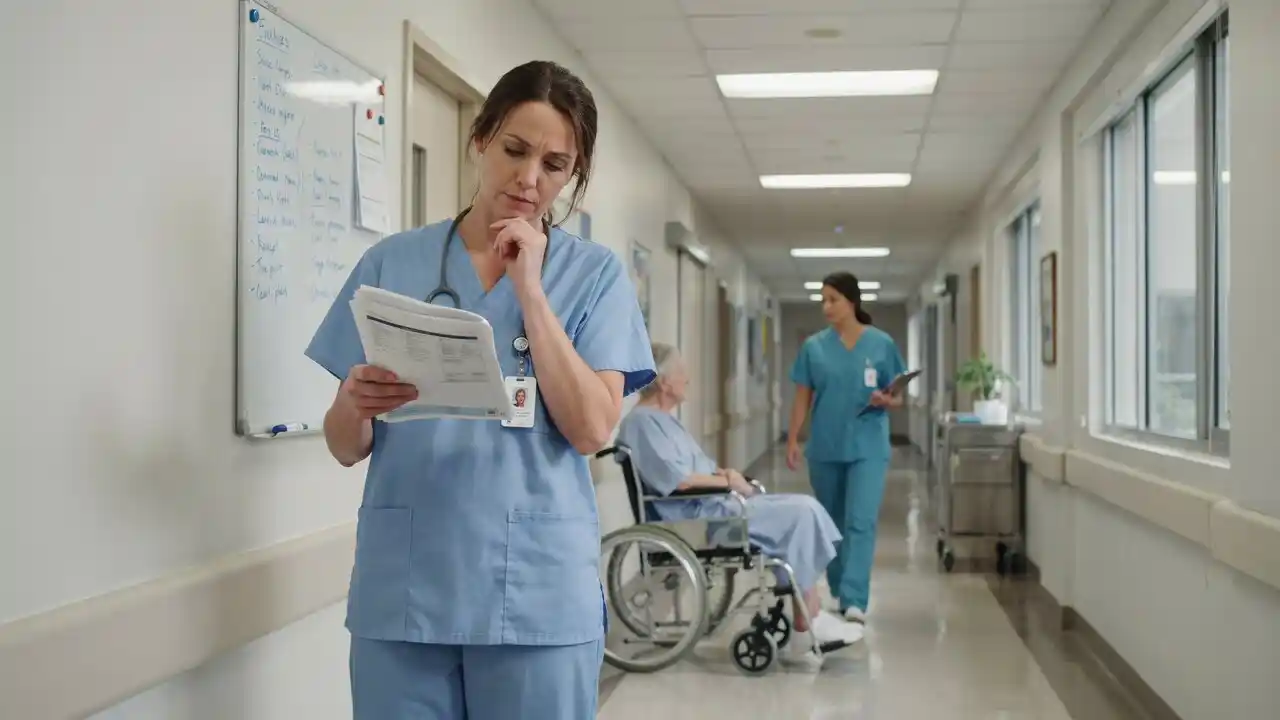
A patient nods, says “I understand,” and leaves still confused about their new medication. That moment plays out in clinics every day, and language or cultural gaps usually drive it. Misread cues lead to missed diagnoses, skipped follow-ups, and patients who stop trusting the system. Cross-cultural communication training closes that gap — and you can build the skill while earning CEU credit.
Why Cross-Cultural Communication Matters in Healthcare Today
Cross-cultural communication in healthcare means exchanging accurate information with patients whose language, customs, or health beliefs differ from your own. It covers verbal cues, body language, family roles in decision-making, and how a patient explains their own illness.
Get this wrong, and trust breaks down fast. Patients who feel misunderstood withhold symptoms, skip medications, and avoid follow-up care.

Get it right, and outcomes shift. Patients share more, adhere to treatment plans more consistently, and return for the care they need.
Hospitals also face a compliance layer here. The Joint Commission requires accredited hospitals to identify each patient’s communication needs and provide ongoing cultural competence training to staff — making this a documented requirement, not just a nice-to-have.
The CLAS Standards Every Healthcare Professional Should Know
The National CLAS Standards are 15 guidelines from the HHS Office of Minority Health, built to advance health equity and reduce care disparities. One Principal Standard sits at the top: deliver care that’s responsive to each patient’s cultural beliefs, language, and health literacy.
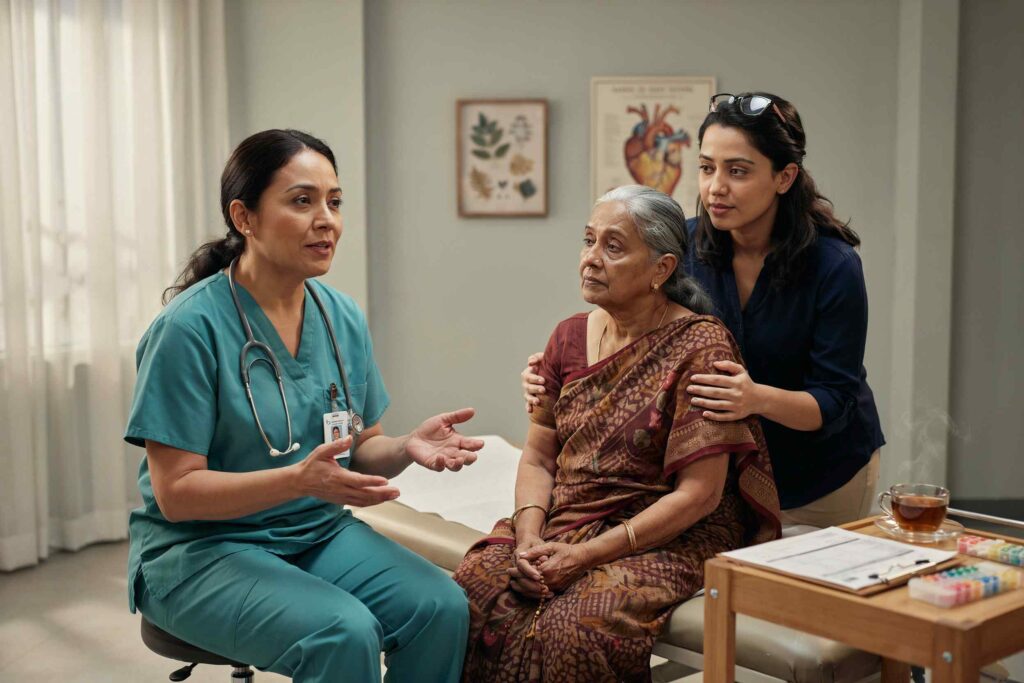
The other 14 standards fall into three groups: governance and workforce policy, communication and language assistance, and ongoing accountability. Meeting all 14 satisfies the Principal Standard.
The 4 CLAS Standards Tied to Federal Funding
Standards 4 through 7 carry extra weight. Healthcare organizations that receive federal funding must meet them, and they require ongoing staff training, free language assistance for patients, clear notice of language services, and the use of qualified interpreters only — never untrained staff, family members, or minors.
5 Real Barriers to Cross-Cultural Communication in Clinical Settings
These barriers show up in nearly every clinical setting, regardless of specialty:
- Language barriers — no professional interpreter on hand, so staff rely on guesswork or gestures.
- Low health literacy — medical jargon that a patient nods along to without actually understanding.
- Differing health beliefs — some patients explain illness through cultural or spiritual frameworks rather than biomedical ones; one well-documented example is patients who attribute a diabetes diagnosis to emotional shock rather than genetics or lifestyle.
- Family decision norms — a spouse or elder answering on the patient’s behalf, which can mask the patient’s own symptoms or wishes.
- Implicit bias — unconscious assumptions that color how a provider interprets a patient’s pain, compliance, or credibility.
A Step-by-Step Framework for Culturally Competent Patient Encounters
Run through this sequence at the start of any encounter with a patient from a different cultural or linguistic background:
- Ask the patient’s preferred language directly, and document it in the chart.
- Bring in a qualified medical interpreter. Skip family members, friends, and minors entirely.
- Speak in plain language and drop the jargon, even with an interpreter present.
- Confirm understanding with teach-back — ask the patient to repeat the plan in their own words, instead of asking “Do you understand?”
- Ask what the patient believes is causing their condition, and work that belief into the care plan where you safely can.
- Save the patient’s communication and cultural preferences in the record so the next visit starts ahead, not from zero.
Cultural Competency Tactics That Work Across Every Healthcare Role
Cultural competency isn’t a nursing-only skill. Physicians, social workers, medical assistants, and front-desk staff all shape a patient’s experience.
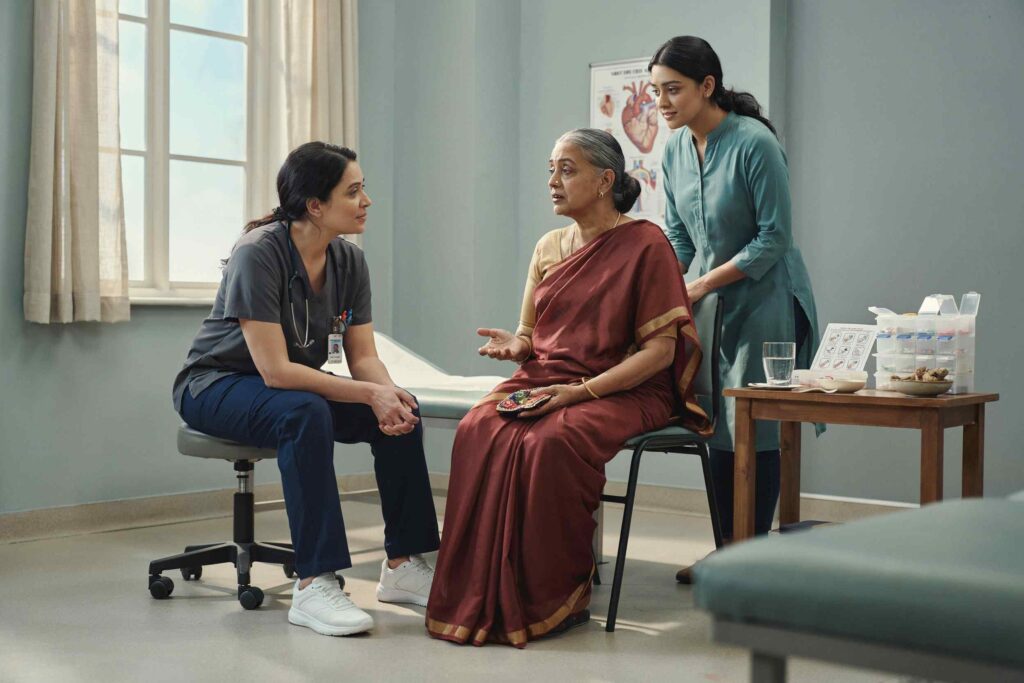
Run quarterly training sessions instead of a single annual session, and rotate the focus to different cultural groups your patient population actually includes. Translate intake forms and post multilingual signage in shared spaces.
Appoint a cultural liaison who can help patients navigate the system, and build a feedback channel so patients can flag what isn’t working. Small, consistent habits beat a one-time seminar every time.
How Cultural Competency Training Actually Improves Patient Outcomes
The research backs this up. A 2024 systematic review and meta-analysis of cultural competence training programs found a pooled adjusted odds ratio of 2.09 for positive patient outcomes — meaning trained providers were roughly twice as likely to see improvements in patient satisfaction, treatment adherence, and communication quality compared to untrained providers.
That’s not a marginal bump. It’s a measurable reason to treat this training as core skill-building, not a compliance checkbox.
Earn CEU Credit While You Build These Skills
Every state board treats cultural competency differently, but most require it somewhere in your renewal cycle. Build the skill once, and you can apply it across nursing, social work, and allied health licensure at the same time.
Fast CE For Less offer Cultural Competency CEU Course you can finish online, at your own pace, with credit that counts toward renewal.
Frequently Asked Questions
What are the CLAS standards in healthcare?
The CLAS standards are 15 guidelines from the HHS Office of Minority Health that direct healthcare organizations to provide care that respects each patient’s culture, language, and health literacy level.
How do healthcare professionals become culturally competent?
Through ongoing training, direct exposure to diverse patient populations, structured feedback, and deliberate practice with tools like professional interpreters and teach-back confirmation.
What is cultural competency training for healthcare workers?
It’s structured education — often delivered online for CEU credit — that builds the skills to communicate accurately and respectfully with patients across cultural and linguistic differences.
Why is cultural competency important in healthcare settings?
Because it directly affects diagnostic accuracy, patient trust, treatment adherence, and an organization’s compliance with CLAS and Joint Commission requirements.
What’s the difference between cultural competency for nursing and for healthcare overall?
Nursing-specific training focuses on bedside communication and care planning, while broader healthcare training also covers governance, intake processes, and organization-wide policy that nursing alone can’t control.
How does cultural competency improve patient satisfaction?
Patients who feel understood are more likely to disclose symptoms accurately, follow treatment plans, and return for follow-up care — all of which show up directly in satisfaction scores.
Can healthcare professionals earn CEU credits for cultural competency training?
Yes. Most state boards accept accredited cultural competency courses toward license renewal, and platforms like Fast CE For Less offer self-paced options built specifically for that requirement.