Correctional nursing job listings are everywhere, but most nurses have no real picture of what the work involves. Walk in unprepared, and the gap between expectation and reality leads to burnout fast. This guide breaks down the role, the skills, the certification path, and the continuing education you need to thrive behind the wall.
What Is Correctional Nursing?
Correctional nursing means providing medical care to people inside jails, prisons, and juvenile detention centers. The American Nurses Association recognizes it as a distinct nursing specialty, not a stripped-down version of hospital care. Correctional nurses also work in immigration detention centers, parole offices, and prison-run nursing homes.
Where Correctional Nurses Practice
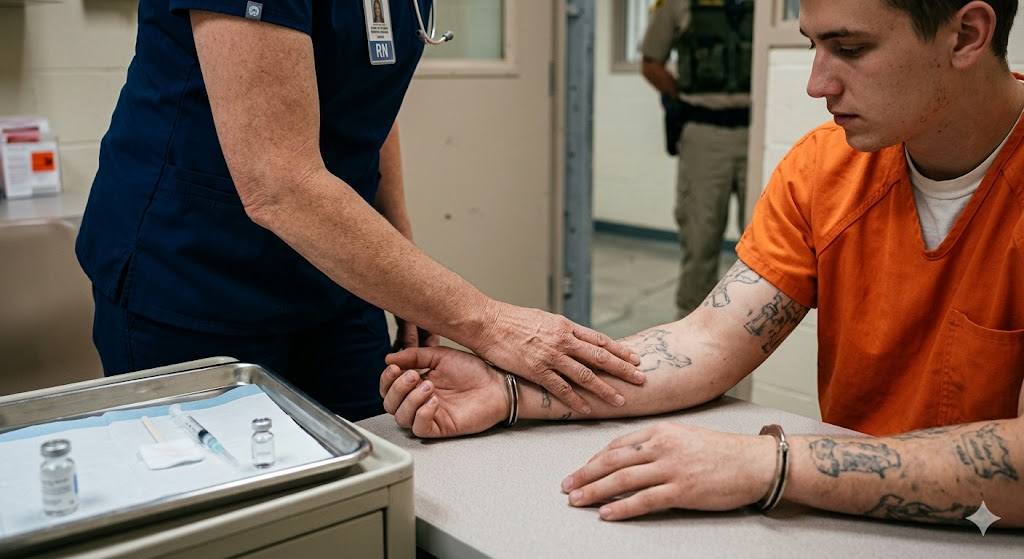
Most correctional nurses work in county jails or state prisons, but the setting changes the job. Jails handle high turnover and fast intake screenings. Prisons handle long-term chronic disease management instead. Juvenile facilities and detention centers add their own layers of trauma-informed and mental health care.
A Day in the Life: What Correctional Nurses Actually Do
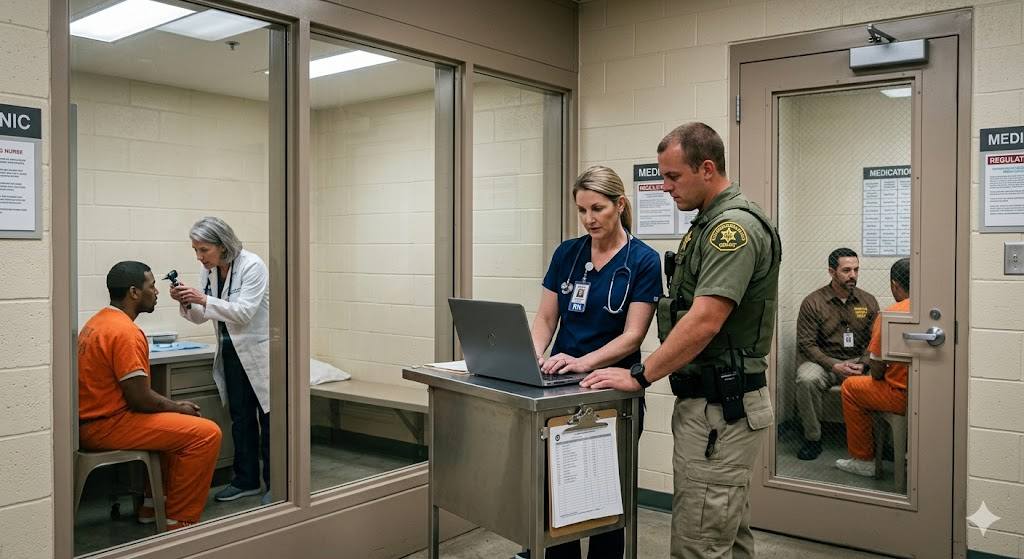
A single shift can swing from routine medication passes to a full emergency response. Correctional nurses handle intake screenings, chronic disease management, acute injuries, and mental health crises, often without a doctor on-site.
- Intake and health screenings: New arrivals get a health history, TB test, and mental health screen within hours of booking.
- Chronic disease management: Diabetes, hypertension, and asthma fill a large share of the daily caseload. The Bureau of Justice Statistics found that 40% of state and federal prisoners and jail inmates reported a current chronic medical condition, with high blood pressure topping the list.
- Acute and emergency care: Altercations, overdoses, and sudden illness require fast triage with limited backup on-site.
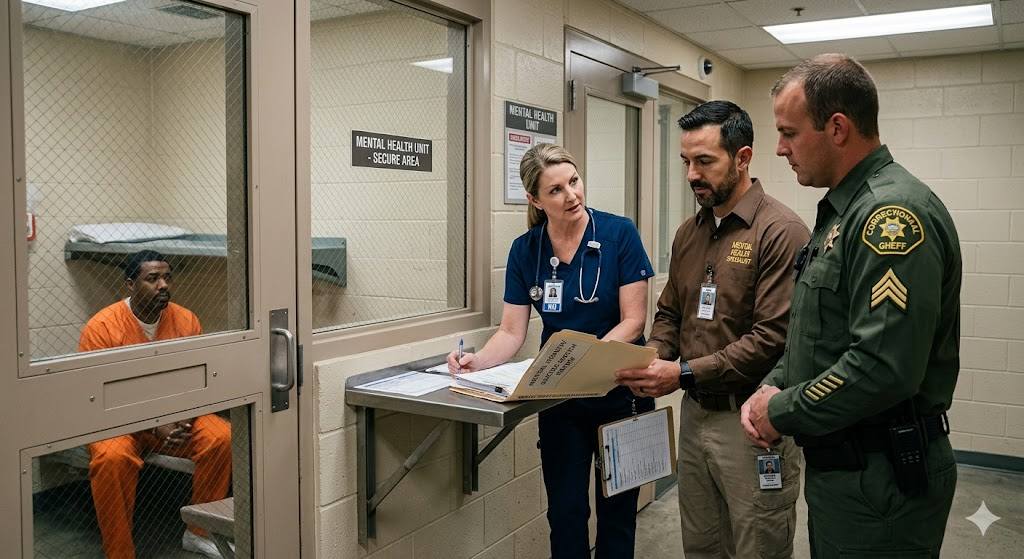
- Mental health support: Nurses screen for suicide risk at intake and coordinate ongoing psychiatric care with mental health staff.
Want to sharpen these skills before your next shift? Browse Correctional Nursing CE Courses built around the conditions you’ll see most.
Skills Every Correctional Nurse Needs
Correctional nursing rewards nurses who think fast and stay calm. Hospitals keep specialists down the hall. Jails and prisons rarely do.
Clinical assessment under pressure
You won’t always have a doctor on-site, so your assessment carries more weight. Sharp triage skills and tight documentation protect both you and your patient.
Boundary-setting and emotional resilience
People in custody sometimes test boundaries through flattery, favors, or manipulation. Strong correctional nurses stay compassionate while keeping the relationship strictly professional. A solid Nursing Burnout Prevention routine helps you hold that line shift after shift.
Communication with custody staff
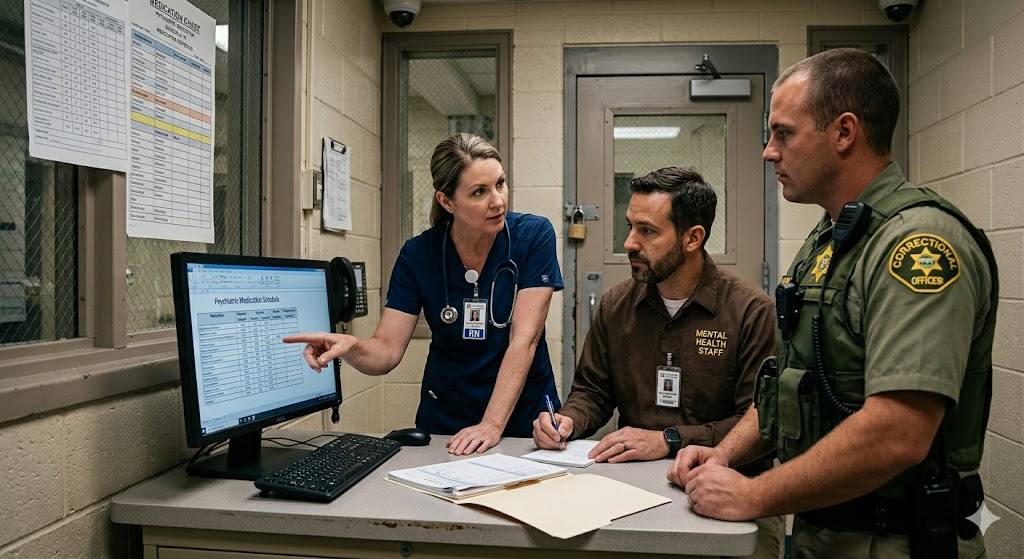
You’ll coordinate constantly with correctional officers, not just other clinicians. Clear, calm communication during an emergency can mean the difference between a fast response and a dangerous delay.
Correctional Nursing Certification: CCHP-RN and Beyond
The National Commission on Correctional Health Care offers the Certified Correctional Health Professional – Registered Nurse (CCHP-RN) credential. Corrections work doesn’t require certification, but it signals real expertise to employers.
How the process works
Candidates need direct clinical experience in a correctional setting and a passing score on a specialty exam covering correctional nursing practice. NCCHC also offers CCHP-MH for mental health professionals and CCHP-A for advanced practitioners.
Why it’s worth pursuing
Certified nurses often qualify for higher-acuity assignments and stronger pay negotiations. Staying current also means Mental Health CEU Courses and ethics-focused training stay on your radar, not just your clinical skills.
What Correctional Nurses Earn
Pay varies widely by state, facility type, and shift differential. The Bureau of Labor Statistics puts the median registered nurse salary at $93,600 a year as of May 2024, and correctional facilities often add shift and hazard pay on top of base RN wages. Government-run facilities and state prison systems tend to pay the highest rates. Rural county jails typically sit lower on the scale.
The Real Pros and Challenges of the Job
The rewards
Correctional nurses often become the first consistent healthcare provider their patients have ever had. The autonomy is real too — you’ll use ER, ICU, and primary care skills in a single shift.
The challenges
Limited resources, security restrictions, and patient mistrust all add friction. The emotional weight of caring for a vulnerable population can wear on you without the right support system in place.
How to Start a Career in Correctional Nursing
Getting in doesn’t require a special degree, just the right preparation.
- Hold an active RN or LPN license in your state.
- Research the facility’s population, accreditation status, and size before you apply.
- Prepare for scenario-based interview questions about emergencies, manipulation, and stress.
- Complete facility-specific onboarding and safety training.
- Pursue CCHP certification once you’ve built a year or two of experience.
A Best CEUs for High-Stress Nursing Specialties review can help you map out which courses to prioritize before your first shift.
Continuing Education Requirements for Correctional Nurses
Your state board sets your CE requirements, and most states don’t carve out a separate rule for correctional nurses. You still need to renew on schedule, and most correctional employers expect topics like infection control, mental health, and chronic disease management on your transcript. Check Your State’s CE Requirements before you assume your hours qualify, then fill the gaps with a CE Renewal Package built for your specialty.
Start Building the Skills That Matter
Correctional nursing isn’t a fallback specialty. It’s a fast track to sharper assessment skills, real autonomy, and work that actually moves the needle for a population the rest of healthcare overlooks. Check out the Fast CE For Less All-Access CE Membership and walk into your next shift ready for whatever comes through the door.
FAQ
What is correctional nursing?
Correctional nursing means delivering medical care to incarcerated people inside jails, prisons, and juvenile detention facilities.
Is correctional nursing dangerous?
Correctional officers stay present during care, and most agencies run safety training during onboarding. Many nurses compare the pace and acuity to a busy urban ER.
How much do correctional nurses make?
Pay varies by facility and state, but it generally tracks close to or above the national RN median, which the BLS puts at $93,600 a year.
Do correctional nurses need CCHP certification?
No, but the credential can open doors to higher-acuity roles and stronger pay.
What chronic conditions do correctional nurses treat most often?
Hypertension, diabetes, asthma, and arthritis show up most often, according to Bureau of Justice Statistics data.
Can a new grad RN work in corrections?
Some facilities hire new grads, but most prefer at least one year of clinical experience first.
How many CE hours do correctional nurses need to renew their license?
It depends on your state board, not your specialty. Confirm your exact hour count and required topics with your board before your renewal date.
What’s the difference between correctional nursing and forensic nursing?
Correctional nursing focuses on ongoing care inside a facility. Forensic nursing focuses on evidence collection and trauma-related care, often inside hospitals.