
Colon cancer is one of the most common cancers diagnosed in the United States, and healthcare professionals play a central role in managing it at every stage. From the initial screening conversation to post-surgical recovery and long-term survivorship, nurses and allied health professionals are responsible for assessing, planning, and delivering care that directly affects patient outcomes.
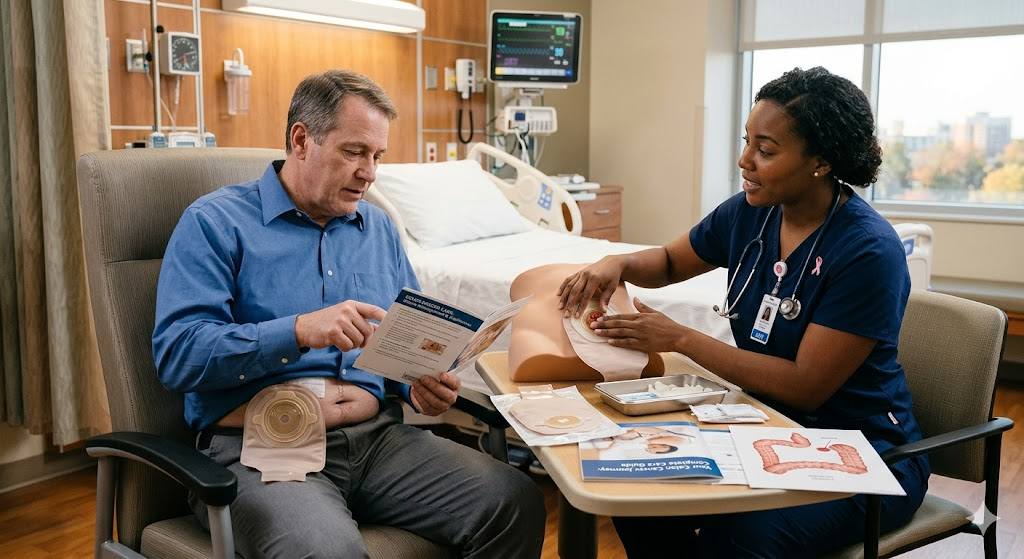
This article provides a comprehensive overview of evidence-based colon cancer nursing interventions — organized by nursing diagnosis — to support clinical decision-making and care plan development across all healthcare settings.
What Is Colon Cancer?
Colon cancer develops when abnormal cells grow uncontrolled in the lining of the large intestine. It is the third most commonly diagnosed cancer and the second leading cause of cancer-related death in the United States.
Risk factors include:
- Age 50 and older
- Personal or family history of colorectal cancer or polyps
- Inflammatory bowel disease (Crohn’s disease or ulcerative colitis)
- Obesity, physical inactivity, and a low-fiber, high-fat diet
- Tobacco use and heavy alcohol consumption
Early-stage colon cancer often presents without symptoms, which is why routine screening is critical. As the disease progresses, patients may experience changes in bowel habits, rectal bleeding, abdominal discomfort, unintended weight loss, and persistent fatigue.
The Healthcare Professional’s Role in Colon Cancer Care
Healthcare professionals — including registered nurses, licensed practical nurses, advanced practice providers, and oncology-certified nurses — are involved across the full continuum of colon cancer care:
- Screening and early detection: Educating patients on colonoscopy and stool-based testing
- Perioperative care: Managing patients before, during, and after surgical resection
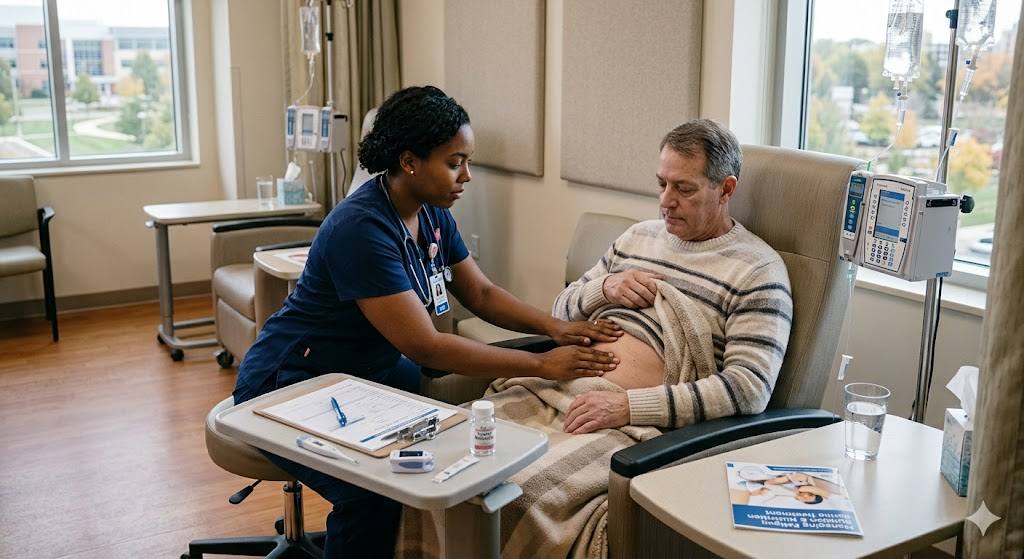
- Chemotherapy and radiation support: Monitoring for treatment side effects and toxicities
- Patient and family education: Teaching self-care, ostomy management, and warning signs
- Psychosocial support: Addressing anxiety, depression, and quality-of-life concerns
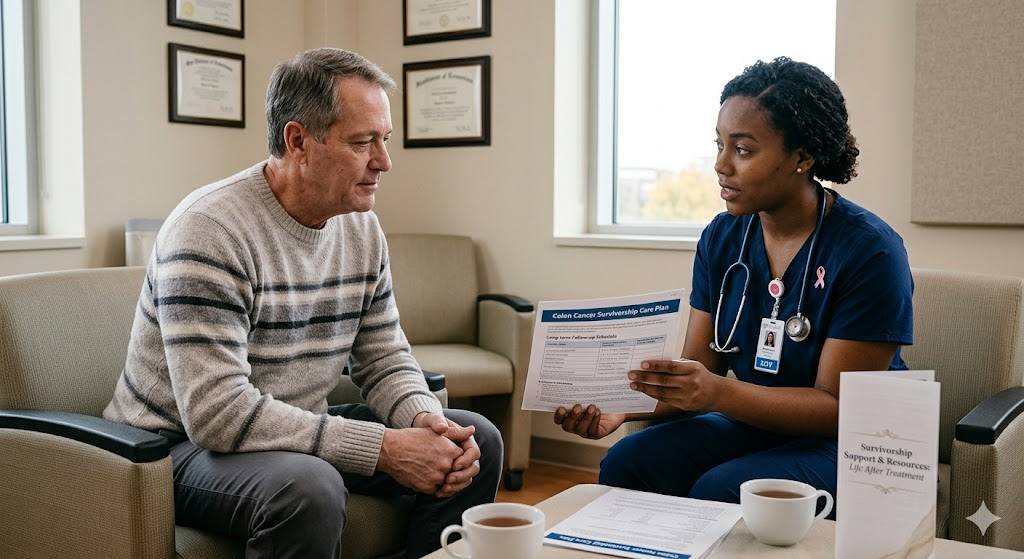
- Survivorship: Coordinating follow-up care and long-term monitoring
Effective intervention at each stage requires a thorough, ongoing assessment.
Nursing Assessment in Colon Cancer
Before developing or updating a care plan, a complete assessment is essential.
Physical Assessment
- Abdominal exam: Inspect for distention or visible masses; palpate for tenderness or rigidity; auscultate bowel sounds in all four quadrants
- Hepatomegaly check: Enlarged liver may suggest metastatic spread
- Vital signs: Fever can indicate infection; hypotension may signal bleeding or sepsis
- Nutritional status: Note visible muscle wasting, weight changes, and skin condition
- Pain assessment: Use a validated pain scale every shift, not only on admission
Diagnostic and Laboratory Review
- Complete blood count (CBC): Monitors for anemia, infection, and bone marrow suppression from chemotherapy
- Liver function tests (LFTs): Assess for hepatic involvement or chemotherapy toxicity
- Tumor markers: CEA (carcinoembryonic antigen) levels help track treatment response
- Imaging results: Review CT, MRI, PET, or colonoscopy findings to understand disease extent
This clinical data determines which nursing diagnoses take priority during each shift or visit.
Core Colon Cancer Nursing Interventions by Diagnosis
1. Acute and Chronic Pain
Nursing Diagnosis: Acute pain or chronic pain related to tumor growth, surgical intervention, or treatment side effects
Interventions:
- Perform a comprehensive pain assessment using a validated tool (e.g., Numeric Rating Scale, Wong-Baker FACES) at each encounter
- Administer prescribed analgesics on schedule rather than waiting for pain to become severe
- Implement non-pharmacological pain management strategies: repositioning, heat or cold application, guided imagery, and controlled breathing exercises
- Reassess pain level and functional impact after every intervention
- Collaborate with the care team to request medication adjustments when pain is inadequately controlled
- Document the effectiveness of each intervention to guide ongoing management
2. Imbalanced Nutrition: Less Than Body Requirements
Nursing Diagnosis: Imbalanced nutrition related to decreased appetite, nausea, or altered gastrointestinal function
Interventions:
- Monitor weight at consistent intervals and track trends over time
- Record oral intake at every meal; calculate caloric and protein intake as indicated
- Consult a registered dietitian at the first sign of nutritional decline — do not wait for significant weight loss
- Encourage small, frequent meals rather than large portions, particularly during chemotherapy
- Modify food texture, temperature, and fiber content based on the patient’s post-surgical bowel function
- Address nausea proactively: administer antiemetics as prescribed and identify dietary triggers
- Educate patients and families on high-calorie, nutrient-dense foods appropriate for their treatment phase
3. Risk for Infection
Nursing Diagnosis: Risk for infection related to immunosuppression from chemotherapy, surgical wounds, or invasive devices
Interventions:
- Perform thorough hand hygiene before and after every patient interaction
- Use strict aseptic technique during wound care, dressing changes, and IV or port access
- Assess surgical incision sites, drain sites, and catheter insertion points every shift for signs of infection: redness, warmth, swelling, or purulent drainage
- Monitor temperature and white blood cell count for early indicators of sepsis or neutropenic fever
- Administer prophylactic or prescribed antibiotics on schedule and monitor for therapeutic response
- Educate patients to report fever, chills, increased wound drainage, or any new pain between clinical visits
- Implement neutropenic precautions as appropriate based on absolute neutrophil count (ANC)
4. Anxiety and Fear
Nursing Diagnosis: Anxiety related to cancer diagnosis, uncertain prognosis, or treatment side effects
Interventions:
- Create a therapeutic environment by allowing adequate time for patients to express their concerns without interruption
- Identify specific sources of anxiety — prognosis, body image changes, financial burden, family roles — rather than offering generalized reassurance
- Provide clear, accurate education about the diagnosis, treatment plan, and what to expect at each stage
- Use plain language; avoid medical jargon when discussing complex information
- Teach evidence-based relaxation techniques: diaphragmatic breathing, progressive muscle relaxation, and mindfulness
- Connect patients and families with oncology social workers, patient navigators, cancer support groups, and chaplaincy services as appropriate
- Screen routinely for depression and anxiety using validated tools (e.g., PHQ-9, GAD-7); escalate findings to the care team
5. Impaired Skin Integrity
Nursing Diagnosis: Impaired skin integrity or risk for impaired skin integrity related to surgical wounds, radiation therapy, or malnutrition
Interventions:
- Inspect all skin surfaces — including incision sites, pressure points, and radiation fields — every shift
- Document wound characteristics using standardized terminology: size, depth, tissue type, exudate, and periwound skin condition
- Reposition immobile or sedated patients at least every two hours to prevent pressure injury development
- Apply pressure-relieving devices (specialty mattresses, heel protectors) for high-risk patients
- Use the appropriate wound dressing for each wound type and healing stage as ordered
- Consult wound, ostomy, and continence (WOC) nurses or wound care specialists when healing is delayed or wound deterioration occurs
- Optimize nutritional status to support tissue repair; collaborate with dietitian on protein and micronutrient goals
Nursing Interventions for Ostomy and Post-Surgical Care
Patients who undergo surgical resection may require a colostomy or ileostomy, either temporarily or permanently. Stoma care is a critical component of discharge readiness and long-term quality of life.
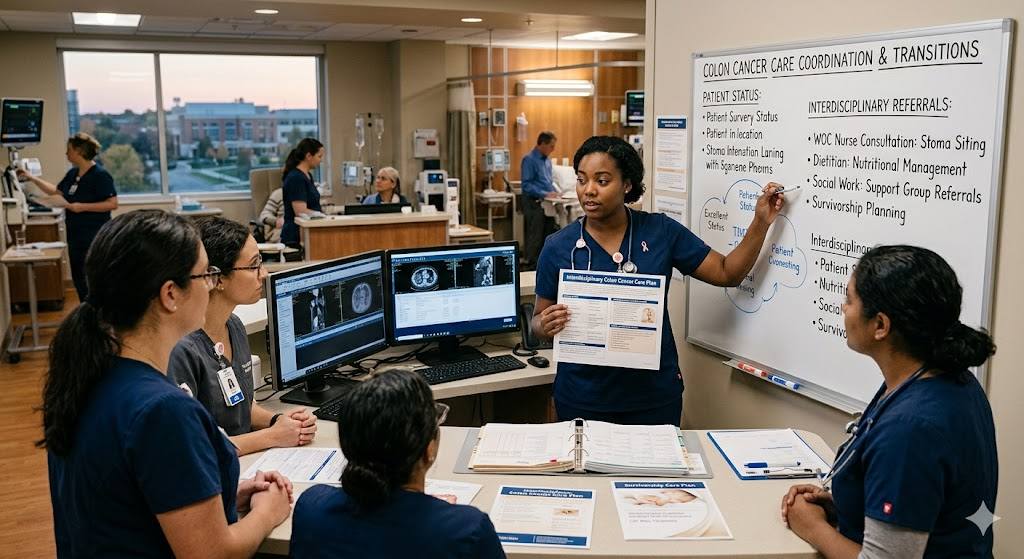
Key interventions include:
- Pre-discharge teaching: Begin stoma education well before the day of discharge to allow adequate time for return demonstration and questions
- Appliance management: Teach patients how to empty, change, and secure the pouching system; demonstrate how to check for leaks and protect the peristomal skin
- Skin protection: Instruct patients on proper skin barrier use to prevent peristomal dermatitis, which is one of the most common ostomy complications
- Output monitoring: Educate patients on normal stoma output characteristics and when changes warrant contacting the care team (e.g., no output for more than 4–6 hours, high-output ileostomy causing dehydration)
- Psychosocial adjustment: Address body image concerns and adjustment challenges directly; odor and appliance visibility are common worries patients may not raise unprompted
- Referral to WOC specialist: Involve an ostomy nurse for complex stoma siting, complication management, or patients with barriers to self-care
Patient and Family Education
Effective education is one of the most impactful nursing interventions in colon cancer care. Patients and their support systems need clear, consistent information to manage care safely at home.
Best practices for colon cancer patient education:
- Use teach-back to confirm understanding rather than asking “Do you have any questions?”
- Provide written instructions that reinforce verbal teaching — patients retain far more when both methods are combined
- Cover: medication schedules and side effects, wound and ostomy care, dietary guidelines, activity restrictions, and the specific symptoms that require immediate reporting
- Involve family members and caregivers in all education sessions when the patient agrees
- Tailor the complexity and format of education to health literacy level, language preference, and cognitive status
- Document what was taught, who was present, and the patient’s demonstrated level of understanding
Evaluating Outcomes and Adjusting the Care Plan
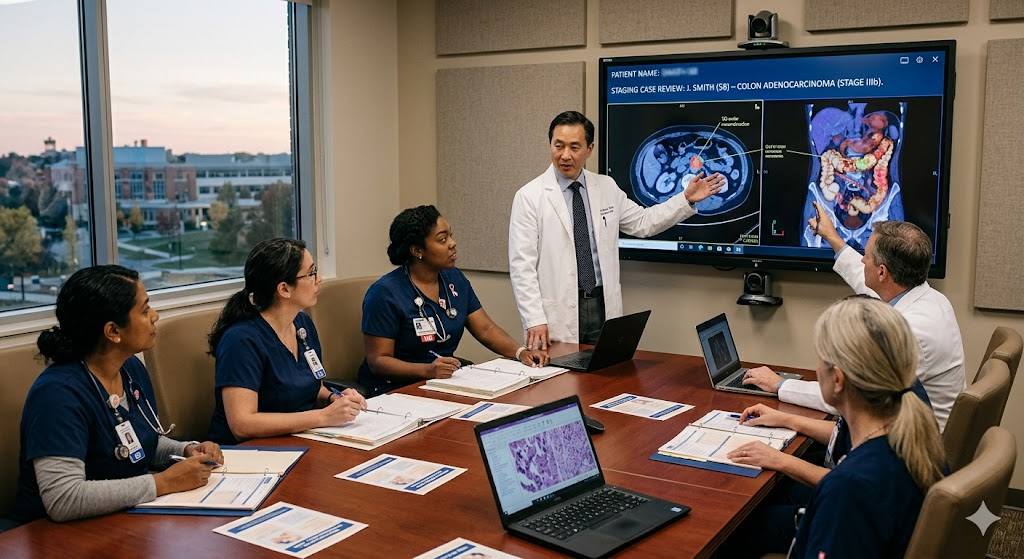
Nursing interventions are only effective when outcomes are measured and the plan is updated accordingly. After implementing any intervention, compare the patient’s current status to the expected outcome:
- Is pain adequately controlled?
- Is nutritional intake meeting estimated needs?
- Are there signs of wound healing or infection resolution?
- Has anxiety decreased to a manageable level?
- Is the patient demonstrating correct ostomy care technique?
If outcomes are not being met, revise the care plan. Repeating an ineffective intervention wastes time and delays recovery. Document all outcome evaluations clearly so every member of the care team has an accurate picture of where the patient stands.
Advance Your Oncology Nursing Knowledge with Fast CE For Less
Colon cancer care requires current clinical knowledge, strong assessment skills, and the ability to adapt a care plan quickly as patient needs evolve. Whether you are new to oncology nursing or looking to deepen your expertise, continuing education is one of the most effective ways to stay current and confident at the bedside.
Fast CE For Less offers accredited continuing education courses for nurses and healthcare professionals across oncology, gastrointestinal nursing, patient education, and more — at some of the most affordable prices available.
Explore Oncology Nursing CE courses at Fast CE For Less and earn the contact hours you need while building the skills your patients depend on.
FAQ: Colon Cancer Nursing Interventions
What are the primary nursing diagnoses for colon cancer patients?
Common NANDA-I nursing diagnoses include acute/chronic pain, imbalanced nutrition (less than body requirements), risk for infection, anxiety, and impaired skin integrity. Post-surgical patients also require nursing diagnoses related to stoma care and altered body image.
What is the priority nursing intervention immediately after colon cancer surgery?
Pain management and infection prevention are typically the highest priorities in the immediate post-operative period. Both carry direct safety implications and should be addressed together rather than sequentially.
How do nurses manage chemotherapy-related side effects in colon cancer patients?
Nurses monitor for and manage nausea and vomiting, mucositis, peripheral neuropathy, fatigue, and myelosuppression. Interventions are guided by the specific chemotherapy regimen and the patient’s individual response.
When should a dietitian be involved in colon cancer care?
Dietitian involvement should begin early — ideally at diagnosis or treatment initiation — rather than waiting until malnutrition is established. Early nutrition support improves treatment tolerance and recovery.
What complications should nurses watch for after colostomy surgery?
Key complications include peristomal skin breakdown, stoma retraction or prolapse, parastomal hernia, and output abnormalities (obstruction or high output). Report changes in stoma color, shape, or output patterns to the surgical team promptly.
How can nurses support colon cancer patients’ mental health?
Through active listening, routine screening for anxiety and depression, clear education that reduces uncertainty, and warm handoffs to oncology social workers, psychologists, or peer support programs.