
Pregnancy is a transformative journey, but it can also come with unexpected medical challenges. While many pregnancies progress normally, understanding rare pregnancy complications is essential for early detection, prevention, and timely medical care. Healthcare professionals, caregivers, and expectant mothers all benefit from awareness of these uncommon but potentially serious conditions.
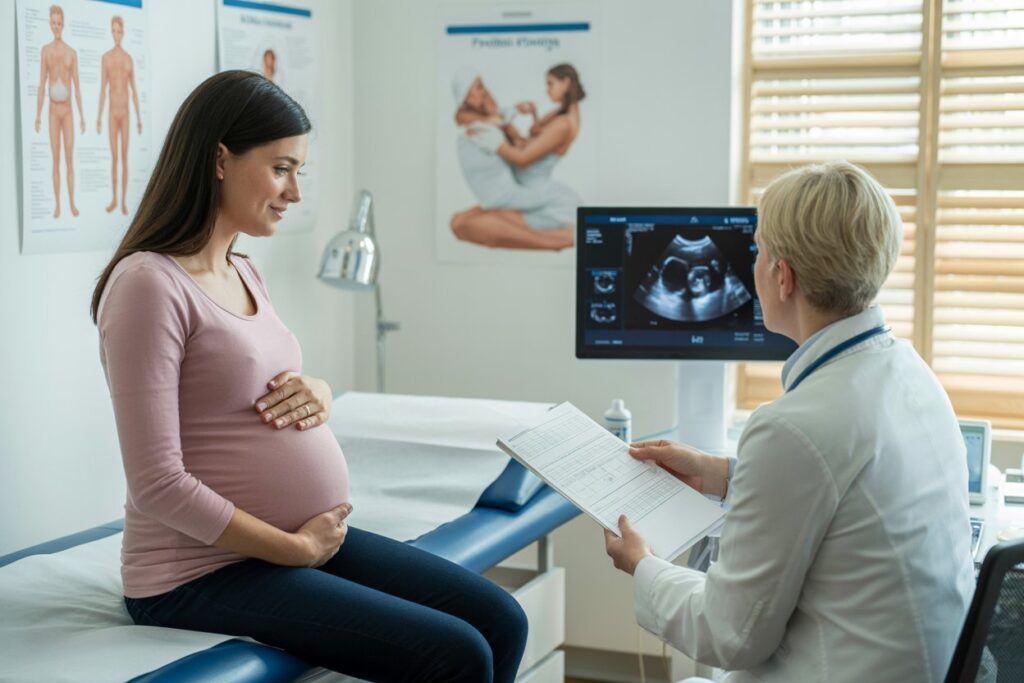
This guide is designed to provide an in-depth, educational overview of rare pregnancy complications, their symptoms, causes, risk factors, and warning signs—helping improve maternal health outcomes through knowledge and vigilance.
Understanding Rare Pregnancy Complications
Rare pregnancy complications refer to unusual or less commonly occurring medical conditions that can affect the mother, fetus, or both during pregnancy. Although they may not occur frequently, these complications can have significant health implications if not identified and managed properly.
Many of these conditions fall under high-risk pregnancy conditions, requiring closer monitoring, specialized care, and sometimes emergency intervention. Early awareness plays a key role in reducing risks and improving outcomes.
Common Types of Rare Pregnancy Complications
While there are many uncommon pregnancy disorders, some of the more clinically significant include:
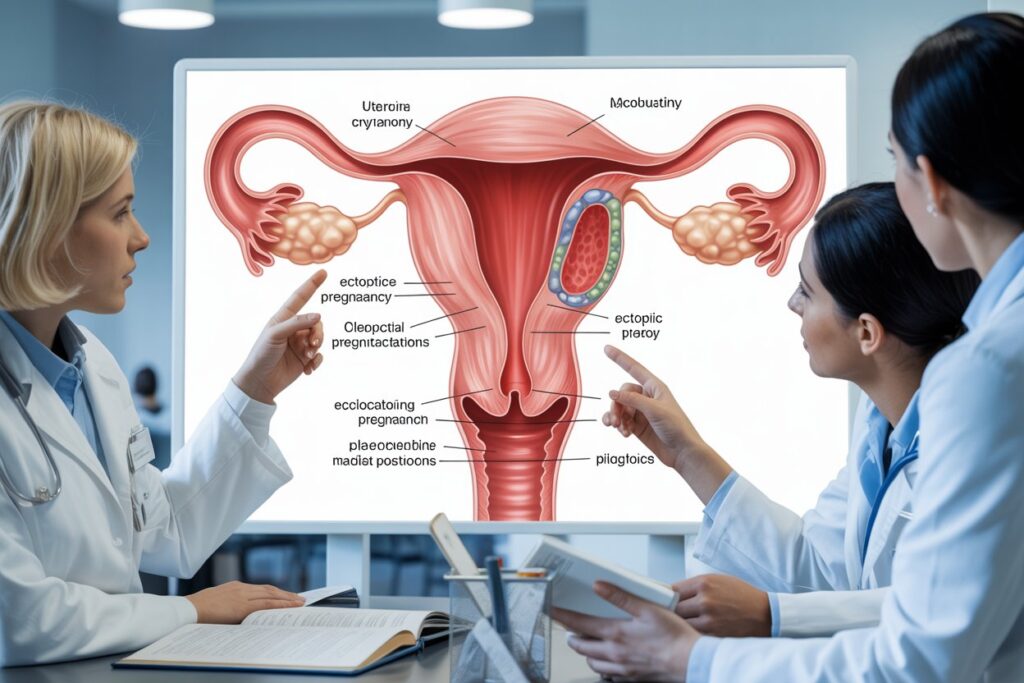
1. Ectopic Pregnancy
This occurs when a fertilized egg implants outside the uterus, often in the fallopian tube. It is a serious condition that requires immediate medical attention.
Common signs:
- Abdominal or pelvic pain
- Vaginal bleeding
- Shoulder pain
- Dizziness or fainting
2. Placental Abruption
A condition where the placenta separates from the uterine wall before delivery.
Symptoms include:
- Sudden abdominal pain
- Vaginal bleeding
- Uterine tenderness
- Fetal distress
This is considered one of the more dangerous rare pregnancy complications.
3. Placenta Previa
In this condition, the placenta partially or completely covers the cervix.
Key indicators:
- Painless vaginal bleeding
- Risk of complications during labor
- Need for cesarean delivery in many cases
4. Preeclampsia and Eclampsia
These are hypertensive disorders that can develop during pregnancy.
Warning signs include:
- High blood pressure
- Severe headaches
- Vision changes
- Swelling in hands and face
- Protein in urine
These are among the most serious pregnancy complications requiring close monitoring.
5. HELLP Syndrome
A severe form of preeclampsia characterized by:
- Hemolysis
- Elevated liver enzymes
- Low platelet count
It can escalate quickly and is considered a medical emergency.
6. Amniotic Fluid Embolism
Amniotic fluid embolism is one of the rarest and most life-threatening conditions in pregnancy. It requires immediate emergency care and is often discussed in advanced medical training and awareness programs.
To learn more about its signs and clinical recognition, visit:
Amniotic Fluid Embolism: Recognizing the Signs
For those interested in professional development and deeper understanding, explore:
Amniotic Fluid Embolism Course
Additionally, educational resources and related materials can be found here:
Product Resource on Amniotic Fluid Embolism
Causes and Risk Factors
Understanding the causes behind rare pregnancy complications can help in prevention and early identification.
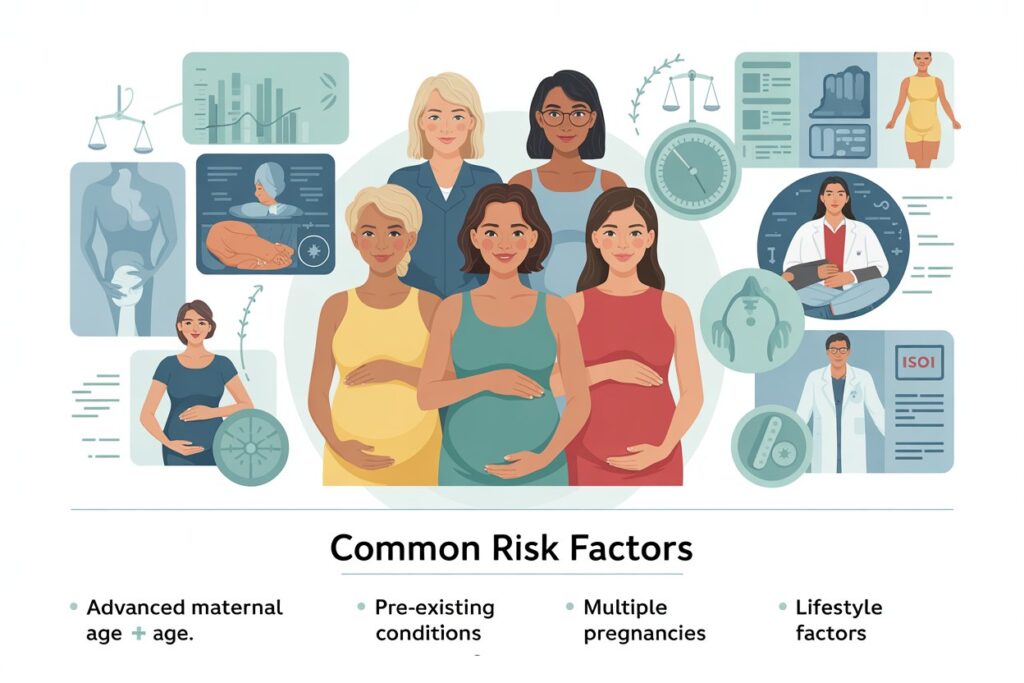
Common Risk Factors:
- Advanced maternal age
- Pre-existing medical conditions (e.g., hypertension, diabetes)
- Multiple pregnancies (twins or more)
- Previous pregnancy complications
- Genetic or autoimmune disorders
- Lifestyle factors such as smoking or poor nutrition
These factors contribute to what is often referred to as a high-risk pregnancy, requiring specialized prenatal care.
Early Warning Signs to Watch For
Recognizing early pregnancy warning signs is critical. While some symptoms may seem normal, others may indicate serious complications.
Seek medical attention if you experience:
- Persistent abdominal pain
- Heavy or unusual bleeding
- Severe headaches
- Blurred vision or vision loss
- Sudden swelling in extremities
- Reduced fetal movement
- Shortness of breath
- High fever
These symptoms may be associated with pregnancy health risks that require immediate evaluation.
Diagnosis and Monitoring
Healthcare providers use several methods to detect rare pregnancy complications, including:
- Routine prenatal checkups
- Blood pressure monitoring
- Ultrasound imaging
- Blood and urine tests
- Fetal heart rate monitoring
Regular prenatal visits are essential for identifying unusual pregnancy conditions before they become severe.
Prevention and Risk Reduction
While not all rare pregnancy complications can be prevented, certain measures can significantly reduce risk:
1. Regular Prenatal Care
Consistent checkups help monitor both maternal and fetal health.
2. Healthy Lifestyle Choices
- Balanced diet
- Adequate hydration
- Avoiding alcohol and tobacco
- Moderate physical activity (as advised by a physician)
3. Managing Pre-existing Conditions
Conditions like diabetes or hypertension should be controlled before and during pregnancy.
4. Medication Compliance
Only take medications prescribed by a healthcare provider to avoid complications.
5. Awareness and Education
Understanding pregnancy complication symptoms helps in early recognition and timely intervention.
Role of Healthcare Education
Platforms like Fast CE For Less support continuing education for healthcare professionals by providing specialized courses and resources. These programs help improve knowledge of rare pregnancy complications, enabling clinicians to:
- Enhance patient care
- Improve diagnostic accuracy
- Stay updated with clinical guidelines
- Respond effectively to emergency conditions
Continuing education is especially important for recognizing complex conditions such as amniotic fluid embolism and other maternal health risks.
Conclusion
Understanding rare pregnancy complications is essential for ensuring the safety of both mother and baby. While these conditions may not be common, their potential impact makes awareness, early detection, and timely intervention critical.
Through regular prenatal care, healthy lifestyle practices, and continued education supported by resources like Fast CE For Less, healthcare professionals and expectant mothers can better manage risks and promote positive pregnancy outcomes.
Staying informed about pregnancy warning signs, high-risk pregnancy factors, and maternal health conditions empowers individuals to take proactive steps toward safer pregnancies and improved healthcare decisions.
Frequently Asked Questions (FAQs)
What are rare pregnancy complications?
Rare pregnancy complications are uncommon medical conditions that can affect a mother or fetus during pregnancy, such as ectopic pregnancy, placental abruption, and HELLP syndrome.
What causes rare pregnancy complications?
They can be caused by a combination of factors including underlying health conditions, genetic issues, lifestyle choices, and pregnancy-related physiological changes.
How can I detect rare pregnancy complications early?
Early detection involves regular prenatal visits, monitoring symptoms, and undergoing recommended medical tests such as ultrasounds and blood work.
Are rare pregnancy complications preventable?
Not all are preventable, but many risks can be reduced through proper prenatal care, healthy lifestyle habits, and management of existing medical conditions.
Which rare pregnancy complications are most dangerous?
Conditions like amniotic fluid embolism, HELLP syndrome, and placental abruption are considered highly serious and require immediate medical attention.
When should I seek emergency care during pregnancy?
Seek emergency care if you experience severe abdominal pain, heavy bleeding, difficulty breathing, seizures, or significantly reduced fetal movement.