Every year, hundreds of thousands of people hear the words “you have breast cancer” for the first time. For patients, that moment changes everything. For the nurses who care for them — from the initial screening conversation to months of breast cancer treatment support — the depth of knowledge you bring to that relationship matters enormously.
This article covers where breast cancer care stands today: how we detect it earlier, how treatment decisions get made, what patients and families are navigating emotionally and physically, and why nurses who invest in oncology continuing education consistently deliver better outcomes for the people in their care.
Why Early Detection Still Saves Lives
There’s a reason oncology nurses emphasize screening so consistently — it works. When breast cancer is caught at a localized stage, the five-year survival rate exceeds 99%. That number drops significantly once the disease has spread to distant organs.
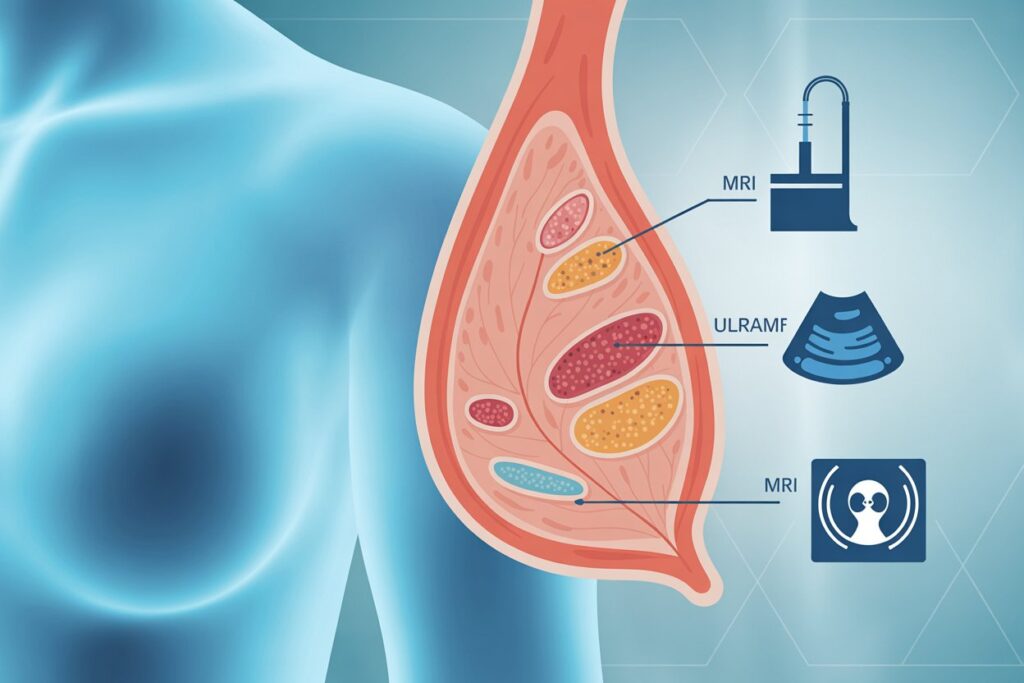
Routine mammography remains the gold standard for population-level screening, and current guidelines from major oncology organizations recommend annual or biennial mammograms starting at age 40, depending on a patient’s risk profile. For women with dense breast tissue or elevated genetic risk, supplemental ultrasound or MRI may be warranted.
Clinical breast exams, though not a substitute for imaging, give nurses an opportunity to catch palpable changes that patients may have missed or dismissed. More importantly, these encounters open the door to education — and that’s where nursing makes a real difference. A nurse who takes five minutes to explain what screening involves, why it matters, and what to expect can be the reason a hesitant patient finally schedules that overdue mammogram.
Understanding Risk — and Talking About It With Patients
Risk factor conversations can feel uncomfortable, but patients generally want them. Most people don’t know what actually raises their likelihood of developing breast cancer, and many carry unfounded fears or false reassurances based on family stories.
The clearest risk factors include:
Age. Risk rises steadily after 40 and increases more sharply after 50. Most breast cancers are diagnosed in women over 55.
Family history and genetics. Having a first-degree relative with breast cancer roughly doubles a person’s risk. BRCA1 and BRCA2 mutations carry substantially higher lifetime risk — as high as 70% in some studies — and also raise the risk of ovarian cancer. Genetic counseling referrals are appropriate for patients with significant family history on either side.
Hormonal exposure. Earlier onset of menstruation, later menopause, extended use of combination hormone therapy, and not breastfeeding are all associated with modestly elevated risk due to longer lifetime estrogen exposure.
Lifestyle factors. Alcohol consumption, physical inactivity, and obesity — particularly post-menopausal obesity — contribute meaningfully to risk. These are also areas where nursing interventions can genuinely move the needle.
When talking with patients, avoid framing risk as destiny. Most women with multiple risk factors will not develop breast cancer. What risk factors do is help determine how aggressively someone should be screened and whether they’re a candidate for chemoprevention or prophylactic interventions.
The Treatment Landscape: More Options, More Complexity
Breast cancer treatment has become considerably more individualized over the past decade. What works for a hormone receptor-positive, HER2-negative tumor in a postmenopausal woman looks very different from what’s appropriate for a triple-negative tumor in someone in their 30s. As a nurse, you don’t need to prescribe — but you do need to understand the landscape well enough to educate patients and field their questions accurately.
Surgery
For most early-stage patients, surgery is still the first intervention. The long-running debate over lumpectomy versus mastectomy has largely been settled by the data: for eligible patients with early-stage disease, breast-conserving surgery followed by radiation achieves equivalent survival outcomes to mastectomy.
That said, “equivalent survival” doesn’t mean “identical experience.” Some patients choose mastectomy because of anxiety about recurrence, the desire to avoid radiation, or concerns about contralateral risk. Others strongly prefer lumpectomy to preserve body image and reduce recovery time. Both are valid decisions, and nurses who understand the clinical and emotional dimensions of each can provide much more meaningful support during that decision-making period.
Sentinel lymph node biopsy has largely replaced full axillary dissection for staging purposes, reducing the incidence of lymphedema — though this complication remains a significant quality-of-life concern for many survivors.
Chemotherapy
Chemotherapy may be given before surgery (neoadjuvant) to shrink a tumor and potentially allow for less extensive surgery, or after surgery (adjuvant) to reduce recurrence risk. In metastatic disease, it’s a primary tool for disease control rather than cure.
The side effect burden of chemotherapy varies widely by regimen. AC-T (doxorubicin, cyclophosphamide, and paclitaxel) remains commonly used and brings well-known challenges: fatigue, nausea, alopecia, increased infection risk. Newer regimens and better supportive care have improved tolerability, but patients still need thorough education before starting — and ongoing check-ins throughout treatment.
Genomic testing tools like Oncotype DX have meaningfully changed adjuvant chemotherapy decisions for hormone receptor-positive, node-negative patients. Many women who previously received chemotherapy can now safely skip it based on their tumor’s recurrence score, sparing them significant toxicity without compromising outcomes.
Radiation
Radiation therapy is standard following lumpectomy and is used selectively after mastectomy in higher-risk cases. Modern techniques including hypofractionation — delivering fewer, larger doses over a shorter course — have made treatment less burdensome for many patients, with comparable efficacy to conventional fractionation.
Nurses involved in radiation oncology care help manage the skin reactions, fatigue, and logistical demands that come with daily treatment over several weeks. Patient education about skin care, activity level, and what to watch for is a core nursing responsibility in this setting.
Hormone Therapy
Roughly 70-80% of breast cancers are hormone receptor-positive, making endocrine therapy one of the most commonly used treatment categories. Tamoxifen, aromatase inhibitors, and ovarian suppression agents work by reducing the hormonal fuel that these cancers depend on.
Adherence is a real clinical challenge — patients take these medications for 5 to 10 years, often with bothersome side effects like hot flashes, joint pain, and decreased libido. Nurses who proactively address side effects, normalize the difficulty, and connect patients with resources see better adherence rates. That translates directly into lives saved.
Targeted and Immunotherapy
HER2-positive breast cancers, which represent about 15-20% of cases, are now treated with highly effective targeted agents including trastuzumab, pertuzumab, and T-DM1. What was once among the more aggressive subtypes now has substantially improved outcomes thanks to these therapies.
Triple-negative breast cancer, which lacks the three most common treatment targets, has historically been harder to treat — but immunotherapy agents like pembrolizumab have shown meaningful benefit in certain high-risk patients, changing the standard of care for this subtype in recent years.
Metastatic Disease: A Different Kind of Care
Metastatic breast cancer — disease that has spread to the bones, liver, lungs, brain, or other sites — remains incurable, but it is treatable. Many patients live for years with well-managed metastatic disease, and the treatment options have expanded considerably.

Bone metastases are the most common, often causing pain and fracture risk. Liver and lung involvement may initially be asymptomatic. Brain metastases require particular vigilance, especially in HER2-positive and triple-negative subtypes.
Care in the metastatic setting is fundamentally about quality of life alongside disease control. Nurses in this space spend a great deal of time on symptom management, goals-of-care conversations, palliative support, and helping patients maintain meaning and function during what can be a years-long journey with uncertainty at every turn.
The Nursing Role: More Than Medication Management
Nurses are the connective tissue of oncology care. You are often the person who explains what the oncologist said, who notices the anxiety that didn’t get mentioned in the office visit, who catches the side effect that was progressing quietly.

Strong oncology nursing requires clinical knowledge that stays current. Treatment protocols change. New drugs enter the standard of care. Supportive care evidence evolves. A nurse practicing from what they learned five years ago is, in some areas, practicing outdated care.
At Fast CE For Less, our oncology continuing education courses are designed for working nurses who need flexible, accredited learning that actually reflects current evidence. Whether you’re brushing up on breast cancer treatment fundamentals, exploring newer targeted therapies, or completing required RN CE credits, our courses meet you where you are — rigorous enough to matter, accessible enough to fit into a real schedule.
Final Thought
Breast cancer is not one disease. It’s a collection of biologically distinct conditions that require individualized thinking, honest patient relationships, and clinical knowledge that doesn’t stand still. The nurses who make the biggest difference in this space are the ones who invest in staying current — not just for certification, but because they understand what’s at stake for the patients counting on them.
If your oncology CE is overdue, there’s no better time to get it done.