
Pediatric emergency departments are often the first point of contact for children suffering from injuries ranging from accidental falls to suspected abuse. Among these, head injuries require the most urgent attention due to the risk of long-term neurological damage or fatal outcomes. In clinical practice, effective pediatric trauma management must integrate rapid assessment, safeguarding awareness, and adherence to mandatory reporting requirements.

This article by Fast CE For Less explores best practices for pediatric head injuryevaluation, emphasizing trauma assessment, child protection responsibilities, and early identification of abuse-related injuries.
Understanding Pediatric Trauma in Head Injury Cases
Pediatric trauma involving the head is one of the most critical presentations in emergency medicine. Children are more vulnerable to brain injury due to thinner skulls, developing neurological systems, and larger head-to-body ratio.
In emergency pediatric care, clinicians must quickly differentiate between accidental injury and potential abuse. A mismatch between caregiver history and clinical findings may indicate non-accidental trauma identification.
Common causes include:
- Falls from height
- Road traffic accidents
- Sports injuries
- Suspected abuse or neglect
Early intervention is essential to prevent complications such as traumatic brain injury and intracranial hemorrhage symptoms children may develop.
Pediatric Head Injury Evaluation in Emergency Settings
A structured pediatric head injury evaluation is essential for identifying life-threatening conditions early. This evaluation must be systematic and repeatable to monitor deterioration.

Key steps include:
- Immediate airway, breathing, and circulation (ABC) stabilization
- Assessment of external head injuries and scalp swelling
- Evaluation of pupil response and eye movement
- Monitoring for vomiting, seizures, or altered consciousness
The neurological assessment pediatric trauma framework is critical for ongoing observation. Clinicians often rely on the Coma Scale pediatrics adaptation to assess severity and track neurological changes over time.
Recognizing Signs of Child Abuse During Assessment
A vital part of pediatric trauma evaluation is identifying potential abuse. Nurses and clinicians must be skilled in recognizing subtle warning signs during a signs of child abuse nursing assessment.
Common red flags include:
- Injuries inconsistent with the reported mechanism
- Delayed presentation for treatment
- Multiple injuries in different healing stages
- Behavioral changes such as fearfulness or withdrawal
Special attention should be given to bruising patterns in child abuse, especially:
- Bruises on soft tissue areas (back, thighs, ears)
- Symmetrical or patterned bruises
- Injuries in non-mobile infants
These findings may indicate neglect vs abuse clinical indicators, requiring immediate escalation under safeguarding protocols.
Shaken Baby Syndrome and Severe Head Injury in Infants
One of the most serious forms of abusive head injury is shaken baby syndrome, a life-threatening condition caused by violent shaking.
Common symptoms include:
- Seizures or abnormal eye movements
- Vomiting without explanation
- Poor feeding or irritability
- Respiratory distress or apnea
- Decreased level of consciousness
Severe cases may result in skull fracture in infants nursing care emergencies or intracranial hemorrhage symptoms children that require urgent neurosurgical intervention.
Early recognition of shaken baby syndrome symptoms is critical to preventing irreversible brain damage or death.
Safeguarding Children in Nursing and Emergency Practice
Safeguarding children nursing guidelines provide a structured framework for identifying and responding to suspected abuse cases in healthcare settings.
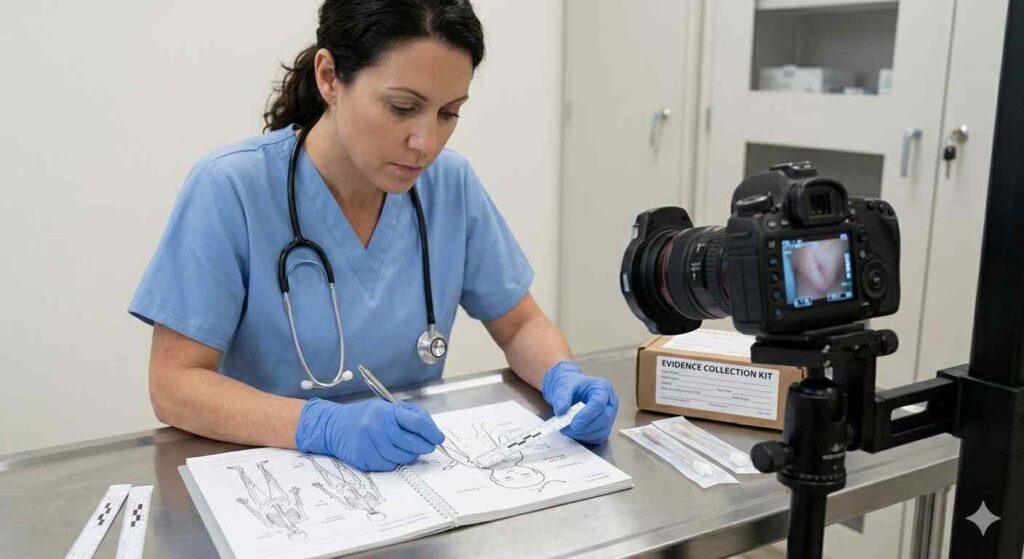
Key principles include:
- Prioritizing the child’s immediate safety
- Objective and accurate documentation of findings
- Avoiding direct confrontation with caregivers
- Immediate escalation to safeguarding teams
Healthcare professionals must follow established child protection protocols healthcare systems require to ensure coordinated intervention between medical, social, and legal services.
Mandatory Reporting in Pediatric Head Injury Cases
Understanding mandatory reporting laws nursing professionals must follow is essential when abuse is suspected.
In most healthcare systems, clinicians are legally required to report:
- Suspected physical abuse
- Emotional abuse indicators in children
- Sexual abuse concerns
- Severe neglect or abandonment
Failure to report may result in legal consequences and continued harm to the child. Proper child protection protocols healthcare systems ensure timely involvement of child welfare authorities.
Forensic Nursing and Documentation in Pediatric Trauma
Forensic nursing pediatric cases require precise, objective documentation to support both medical care and legal investigations.
Nurses should document:
- Exact size, shape, and location of injuries
- Verbatim caregiver statements
- Time-stamped clinical observations
- Body maps and photographic evidence (per policy)
Accurate forensic documentation is essential in cases of suspected pediatric trauma involving abuse or neglect.
Differentiating Neglect vs Abuse in Clinical Practice
Distinguishing child neglect from abuse can be complex but is critical for appropriate intervention.
Neglect indicators:
- Poor hygiene and malnutrition
- Untreated medical conditions
- Lack of supervision or safe environment
Abuse indicators:
- Patterned or unexplained injuries
- Defensive wounds
- Multiple fractures or internal injuries
Clinicians should also recognize emotional abuse indicators in children, such as withdrawal, developmental delays, or extreme fear responses.
Emergency Management of Pediatric Head Injuries
Effective management in emergency pediatric care requires rapid stabilization and continuous monitoring.
Core interventions include:
- Airway management and oxygen support
- Intravenous access and fluid resuscitation
- Hemorrhage control
- Continuous neurological observation
A structured trauma assessment ensures no injury is missed during initial stabilization and ongoing care.
Role of Nurses in Pediatric Head Injury Evaluation and Child Protection
Nurses are essential in both clinical management and safeguarding within pediatric trauma cases.

Their responsibilities include:
- Performing detailed neurological assessments
- Identifying suspicious injury patterns
- Activating safeguarding alerts
- Ensuring compliance with mandatory reporting laws nursing
- Collaborating with multidisciplinary child protection teams
Strong clinical judgment combined with safeguarding awareness helps ensure early detection of abuse and improved patient outcomes.
Conclusion
The best approach to pediatric head injury evaluation combines rapid stabilization, structured neurological assessment, and careful attention to safeguarding concerns such as child protection and possible non-accidental trauma identification. Using tools like the Glasgow coma scale pediatrics and thorough trauma assessment helps guide timely clinical decisions in pediatric emergency care.
Equally important is recognizing warning signs through a proper signs of child abuse nursing assessment, including suspicious injury patterns, inconsistent history, and bruising patterns in child abuse, while ensuring compliance with mandatory reporting laws nursing and child protection protocols healthcare.
Fast CE For Less offers easy nursing ceus course in pediatric trauma, safeguarding children, and mandatory reporting to support safer and more effective clinical practice.
FAQs
What is the first step in pediatric head injury evaluation?
The first step is immediate stabilization using the ABC approach, followed by neurological assessment and monitoring.
How is shaken baby syndrome identified in clinical settings?
It is identified through symptoms such as seizures, vomiting, lethargy, and signs of intracranial injury without a clear trauma history.
What role do nurses play in mandatory reporting?
Nurses are legally required to report any suspicion of abuse or neglect to child protection authorities immediately.
What tools are used in pediatric neurological assessment?
The Glasgow Coma Scale pediatrics is commonly used alongside pupil checks and behavioral observation.
How can clinicians differentiate abuse from accidental injury?
They assess injury patterns, consistency of caregiver history, timing of medical care, and presence of multiple injuries at different stages.