
Cardiovascular conditions remain one of the leading causes of morbidity and mortality worldwide, making heart disease prevention a critical focus in modern healthcare. Nurses play a central role in identifying cardiovascular risk factors, educating patients, and promoting long-term lifestyle changes for heart health. As healthcare evolves, continuing education becomes essential to keep nursing professionals updated on evidence-based practices.

Platforms like Fast CE For Less provide accessible and affordable continuing education that supports nurses in strengthening their knowledge of nursing cardiovascular care, preventive healthcare, and primary prevention of coronary artery disease. By engaging in structured CEU programs, nurses can improve patient outcomes while advancing their professional competencies. In this article, we explore how cardiac risk reduction strategies and chronic disease prevention can be enhanced through education and practical nursing interventions with support from Fast CE For Less.
Understanding Cardiac Risk Reduction in Nursing Practice
Effective cardiac care begins with early identification of risk factors and patient education. Nurses are often the first healthcare professionals to assess patients for cardiovascular disease risks such as smoking, poor diet, sedentary lifestyle, and genetic predisposition.
Continuing education through Fast CE For Less equips nurses with updated knowledge on cardiac risk assessment tools, enabling them to identify high-risk patients more effectively. Courses often include training on cardiovascular risk factors nursing and evidence-based interventions that support cardiovascular disease prevention strategies.
By strengthening clinical knowledge, Fast CE For Less helps nurses confidently implement primary care nursing interventions that reduce long-term complications such as myocardial infarction and stroke. This foundation is essential in improving population-level heart health outcomes.
Key Cardiovascular Risk Factors and Nursing Assessment
Understanding risk factors is essential for effective intervention. Nurses must assess both modifiable and non-modifiable risks, including age, family history, and lifestyle behaviors.
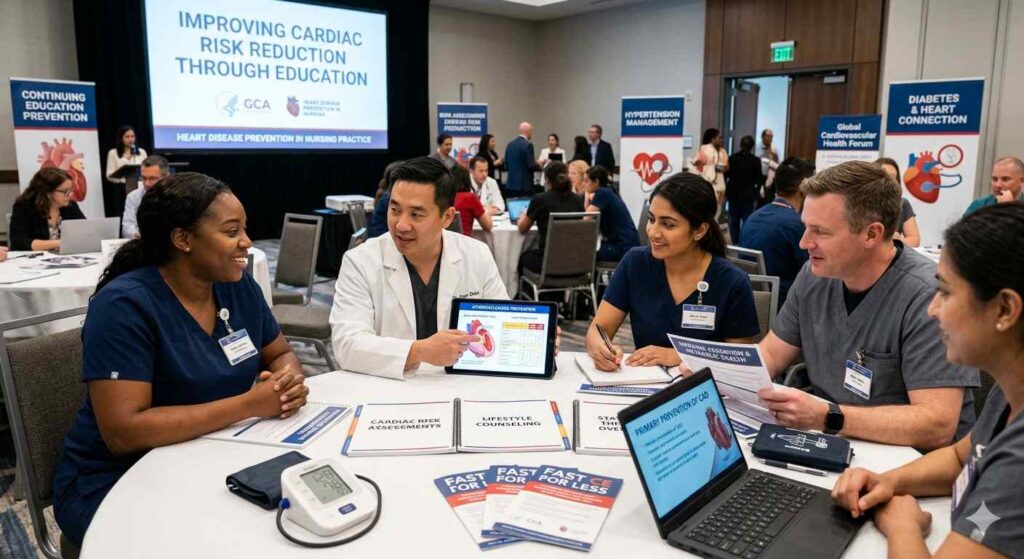
Important areas of focus include:
- Hypertension management nursing care
- Cholesterol and lipid control education
- Diabetes and heart disease connection
- Smoking habits and physical inactivity
- Obesity and metabolic conditions
Training programs from Fast CE For Less emphasize real-world application of blood pressure monitoring guidelines and patient counseling techniques. Nurses learn how to interpret readings, recognize abnormal trends, and provide timely interventions for high blood pressure management.
Additionally, understanding atherosclerosis prevention nursing CEU content helps nurses educate patients about plaque formation and long-term cardiovascular complications. These skills directly support improved cardiovascular disease prevention strategies in clinical settings.
Hypertension, Cholesterol, and Medication Education
One of the most critical components of cardiac risk reduction is managing blood pressure and lipid levels. Nurses play a vital role in patient education related to hypertension management, medication adherence, and lifestyle adjustments.
Through Fast CE For Less, nurses gain access to updated modules on statin therapy overview nursing, which explains how statins help reduce cholesterol and prevent arterial plaque buildup. This is essential for patients at high risk of coronary artery disease.
Key educational priorities include:
- Monitoring and controlling high blood pressure
- Teaching cholesterol management strategies
- Reinforcing medication adherence for statins and antihypertensives
- Educating patients on side effects and lifestyle interactions
By integrating this knowledge into practice, nurses can significantly reduce cardiovascular complications and improve patient compliance with treatment plans.
Lifestyle Modification for Heart Health
Lifestyle interventions remain one of the most effective tools for reducing cardiovascular risk. Nurses are responsible for guiding patients toward healthier habits that support long-term wellness.
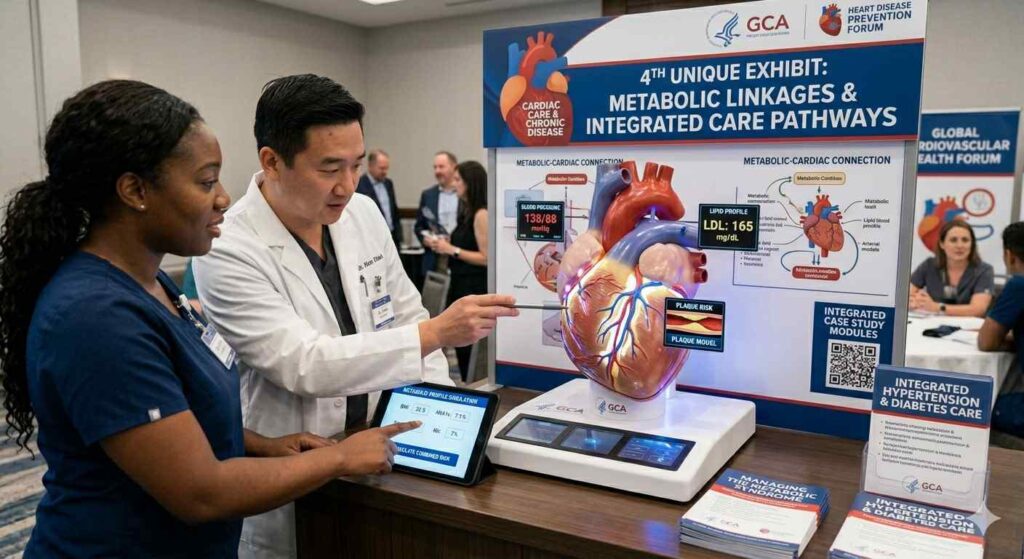
Fast CE For Less provides training on lifestyle modification for heart health, focusing on practical counseling strategies that nurses can use in clinical and community settings.
Key lifestyle interventions include:
- Diet and exercise cardiovascular health education
- Smoking cessation counseling nursing
- Weight management and addressing obesity and heart disease link
- Stress reduction and sleep hygiene improvements
These interventions are central to reducing the progression of cardiovascular disease. Nurses trained through Fast CE For Less are better equipped to provide personalized care plans that encourage sustainable behavioral changes.
Additionally, promoting lifestyle changes for heart health helps reduce reliance on medication and improves overall patient quality of life.
Chronic Disease Prevention and Metabolic Health
Cardiovascular health is closely linked to other chronic conditions such as diabetes and metabolic syndrome. Nurses must understand how these conditions interact and increase overall risk.
Education modules from Fast CE For Less highlight metabolic syndrome nursing education, helping nurses recognize early warning signs such as abdominal obesity, insulin resistance, and elevated triglycerides.
Preventive strategies include:
- Early identification of metabolic risk factors
- Education on primary prevention of coronary artery disease
- Promoting stroke prevention through lifestyle and medication adherence
- Encouraging regular health screenings and follow-ups
By addressing multiple chronic conditions simultaneously, nurses can deliver comprehensive care that improves long-term outcomes. This holistic approach is a core focus of Fast CE For Less continuing education programs.
The Role of Continuing Education in Nursing Excellence
Continuing education ensures that nurses remain updated on the latest clinical guidelines and evidence-based practices. In the field of cardiovascular health, this is especially important due to rapidly evolving treatment protocols and preventive strategies.
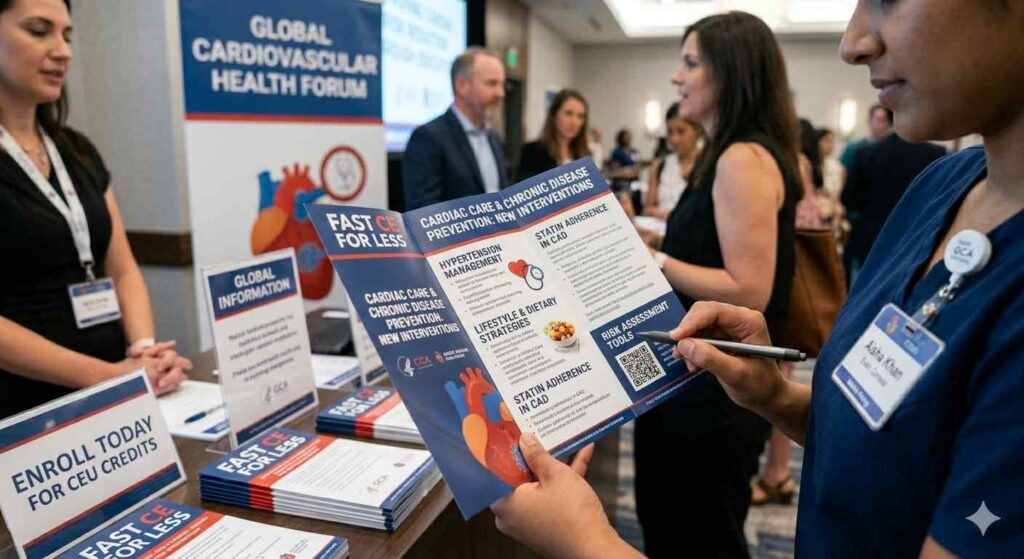
Fast CE For Less offers flexible learning opportunities that cover topics such as cardiac risk factors, preventive healthcare, and advanced patient education techniques. These courses are designed to enhance both clinical knowledge and practical application in real-world settings.
By participating in Fast CE For Less, nurses strengthen their ability to deliver high-quality care in nursing cardiovascular care environments, ultimately improving patient safety and outcomes.
Conclusion About Heart Disease Prevention
Cardiac risk reduction and chronic disease prevention are essential components of modern nursing practice. Through proper education, nurses can effectively manage cardiovascular risk factors, guide patients in lifestyle changes for heart health, and reduce the burden of cardiovascular disease in communities.
Fast CE For Less plays a vital role in supporting healthcare professionals by offering accessible, high-quality continuing education focused on heart disease prevention strategies, hypertension management, and comprehensive patient education. By investing in ongoing learning through Fast CE For Less, nurses can enhance their clinical expertise and contribute to a healthier future for their patients.
FAQs
Why is cardiac risk reduction important in nursing practice?
Cardiac risk reduction is essential because it helps prevent serious conditions like heart attacks and strokes by addressing cardiovascular risk factors early through education and intervention.
How does lifestyle impact heart disease prevention?
Healthy habits such as diet and exercise cardiovascular health, smoking cessation, and weight management significantly reduce the risk of coronary artery disease and improve overall heart health.
What role do nurses play in hypertension management?
Nurses assist with blood pressure monitoring guidelines, patient education, medication adherence, and ongoing monitoring to ensure effective hypertension management nursing care.
How does metabolic syndrome affect cardiovascular health?
Metabolic syndrome increases the risk of cardiovascular disease, diabetes, and stroke, making early detection and lifestyle intervention critical for prevention.
What does Fast CE For Less offer to nursing professionals?
Fast CE For Less provides continuing education courses focused on cardiac care, preventive healthcare, and nursing cardiovascular care, helping nurses stay updated with current clinical guidelines.