Contact Hour Designation
This online independent study activity is credited for 3 contact hours.
Course Purpose
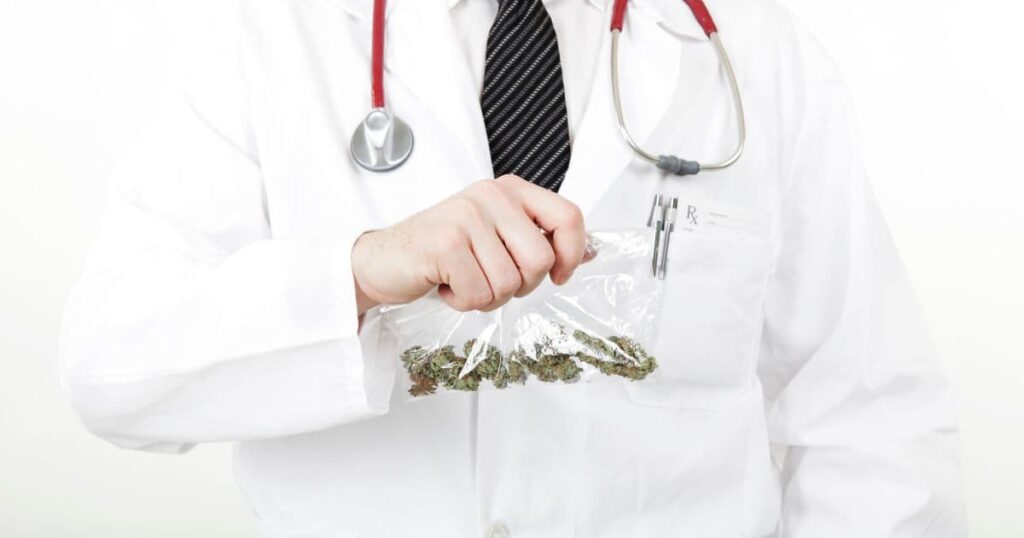
The purpose of this course is to provide an overview of medical marijuana, its active ingredients, strains, delivery methods, legal status, and differences from recreational marijuana.
Overview
Medical marijuana, also called medical cannabis therapy, refers to using the cannabis plant or its derivatives for therapeutic purposes to treat specific medical conditions and alleviate symptoms. In modern years there has been a resurgence of support for medical marijuana following anecdotal evidence and patient testimonials supporting its efficacy. Since the 1990s, several states in the United States (US) have passed legislation legalizing medical marijuana use, paving the way for further research to supplement the current limited clinical data. Still, controversy surrounds its safe administration and long-term side effects. This course discusses medical marijuana in detail, examining its active ingredients, strains, delivery methods, and differences from recreational marijuana. This course also delves into the benefits, adverse reactions, legal status, and nursing considerations of medical marijuana and cannabidiol in the US.
Objectives
Upon completion of the independent study, the learner will be able to:
- Review the mechanism of action of medical marijuana.
- Summarize federal vs state laws as they relate to medical marijuana use.
- Differentiate between the two species of the cannabis plant and understand their effects.
- Review medial dispensary requirements for dispensing medical marijuana.
- Understand the difference between medical marijuana and recreational marijuana.
- Understand the healthcare professional’s role in conducting a comprehensive assessment, providing patient education regarding medical marijuana use, and
- monitoring a patient’s response to medical marijuana.
Policy Statement
This activity has been planned and implemented in accordance with the policies of FastCEForLess.com.
Disclosures
Fast CE For Less, Inc. and its authors have no disclosures. There is no commercial support.
Frequently Asked Questions
Since marijuana is still federally illegal, how can nurses legally document or discuss it with patients in states where it’s legal?
This course explains the practical tension nurses face: federal Schedule I status versus state-level legalization means nurses must follow their specific state’s clinical documentation and reporting guidance, which this course helps clarify, while noting that facility policy may be more restrictive than state law allows.
What’s the actual difference between medical marijuana, CBD products, and recreational marijuana that this course clarifies?
This course distinguishes medical marijuana (regulated, dispensary-based, condition-specific) from over-the-counter CBD products (often unregulated, variable potency) and recreational use (different legal framework, no medical oversight) — a distinction many patients and even some clinicians conflate.
Does this course explain drug interactions nurses should watch for with medical marijuana?
Yes — the course reviews mechanism-of-action content relevant to interactions with commonly co-prescribed medications, which is important for medication reconciliation in patients who may not initially disclose marijuana use due to stigma or legal uncertainty.
How should a nurse respond if a patient asks for a professional opinion on using medical marijuana for their condition?
This course frames the nurse’s role as one of education and referral rather than recommendation — helping patients understand dispensary processes, delivery methods, and questions to bring to their prescribing provider, since only certified providers (not all nurses) can certify a patient for a state medical marijuana program.
Are there specific patient populations where this course flags added caution around medical marijuana use?
The course addresses populations requiring particular caution, including pregnant or breastfeeding patients, adolescents, and those with certain psychiatric or cardiovascular histories, where the risk-benefit calculation differs from the general adult population.
Does this course cover the different delivery methods (edibles, tinctures, vaping) and why that matters clinically?
Yes — onset time, duration, and dosing predictability vary significantly across delivery methods (inhaled vs. edible vs. sublingual), and this course explains why that distinction matters for patient safety counseling and for interpreting a patient’s reported symptoms or effects.
How many contact hours is this course, and does it satisfy a state-specific medical marijuana CE requirement?
This is a 3-contact-hour CEU offered as general elective credit; a small number of states have specific medical cannabis certification training requirements for providers who certify patients, which is a separate, more specialized requirement than this general nursing overview course.
Is this course kept updated as more states change their medical marijuana laws?
Because state medical marijuana laws continue to evolve, nurses should treat the legal-status portions of any CE course as a snapshot in time and verify current law through their state’s official cannabis program website before advising patients on legality specifics.