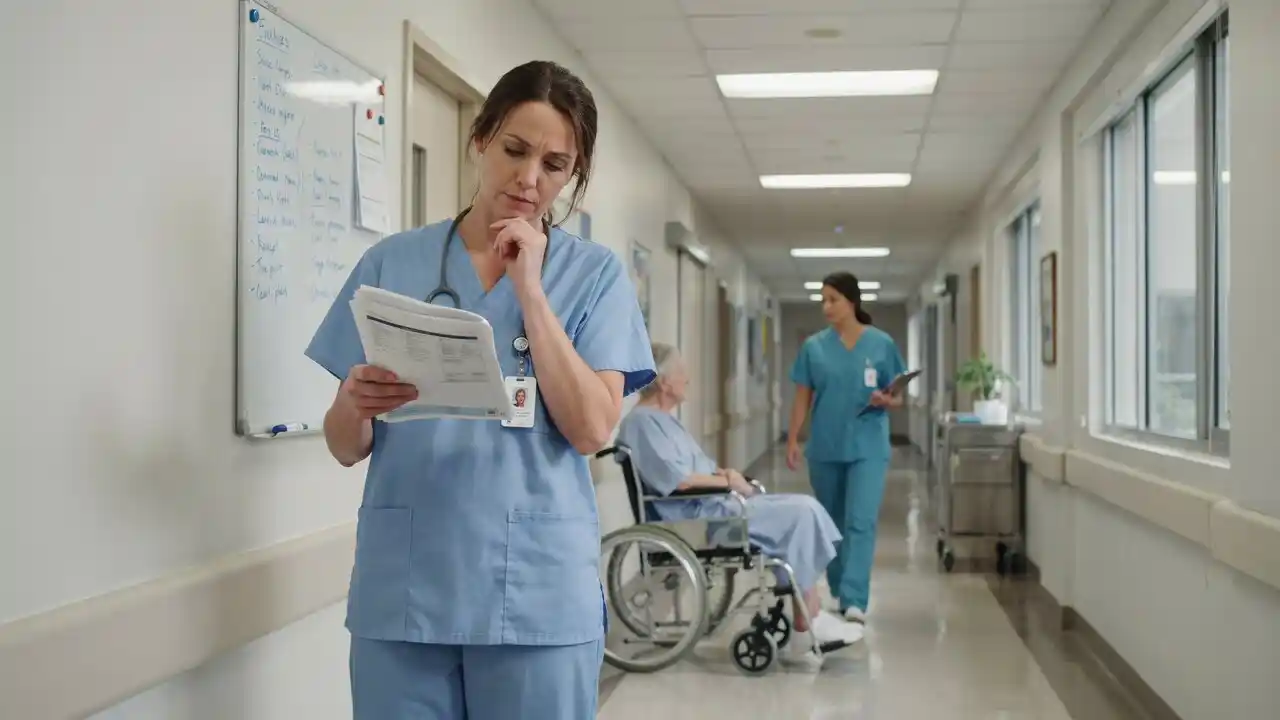
Healthcare doesn’t always look like a routine shift. Sometimes it looks like a waiting room full of patients with the same unexplained rash, or an ED flooded with people reporting sudden respiratory symptoms — and no clear cause. That’s the reality of CBRN threats. They’re rare, but when they happen, they move fast — and the nurses, physicians, and first responders on shift that day have to figure it out in real time.
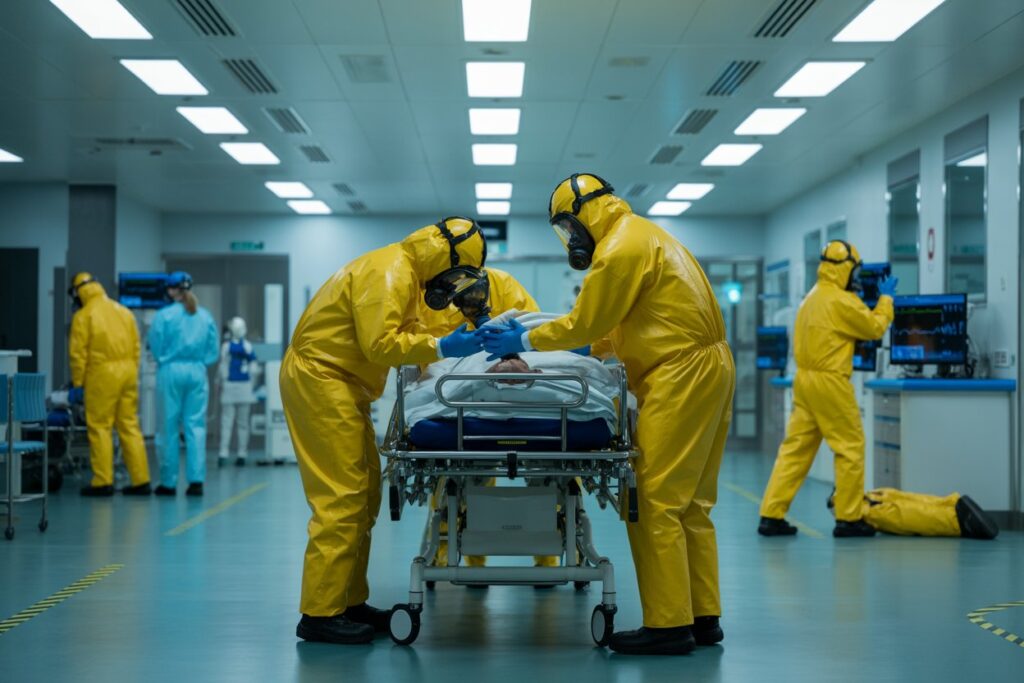
That’s why training matters. Not just hospital-wide drills, but hands-on continuing education — like a nursing CEU emergency preparedness course — that gives individual clinicians the confidence to act when it counts.
What Are CBRN Threats?
CBRN stands for chemical, biological, radiological, and nuclear. These four categories cover a wide range of intentional threats, from nerve agents and toxic chemicals to weaponized bacteria and dirty bombs.
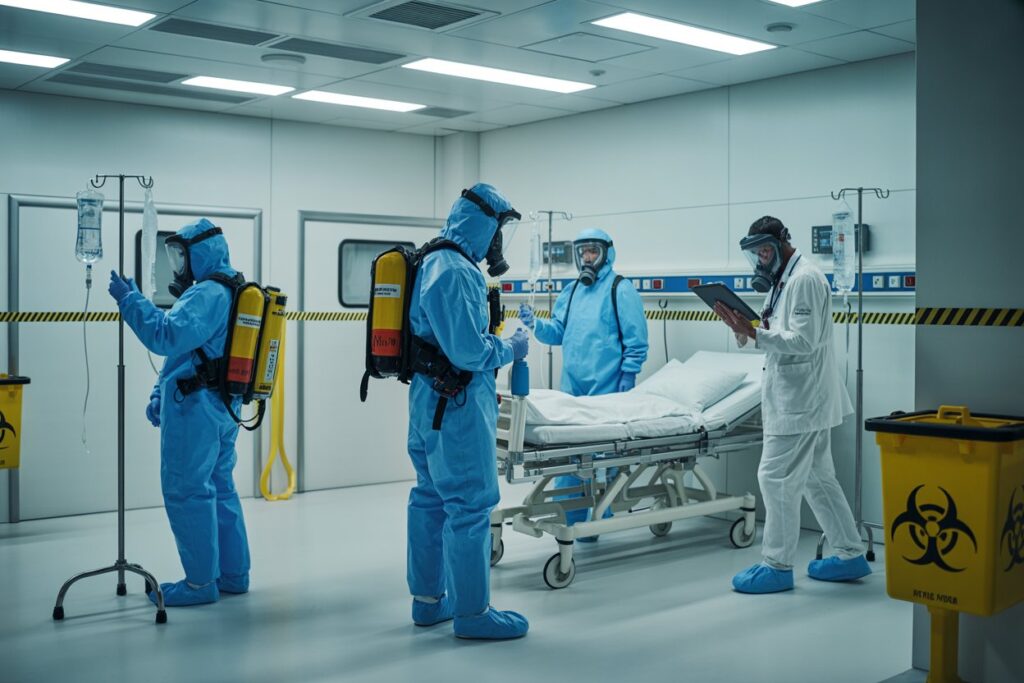
What makes CBRN events so difficult is that early symptoms often look like everything else — flu-like illness, neurological complaints, unexplained respiratory distress. Without solid training in public health emergency preparedness, these warning signs get missed until containment becomes nearly impossible.
A Bioterrorism Preparedness Plan That Actually Works
Every facility should have a bioterrorism preparedness plan — but having one and being ready are two different things. A working plan includes:
- Surveillance systems that flag unusual patient clusters early
- Clear reporting chains so staff know exactly who to call and when
- Isolation and quarantine protocols that can be activated fast
- PPE stockpiles and critical medications that staff know how to access
Hospitals that run regular drills and tabletop exercises respond far more effectively when a real threat occurs — not because they’re lucky, but because their staff have already practiced it.
What Healthcare Workers Are Responsible For
During a CBRN or bioterrorism incident, clinical staff are the operational backbone of the response. In a mass casualty incident response, routine workflows stop. The goal shifts to keeping the most people alive with whatever resources remain.
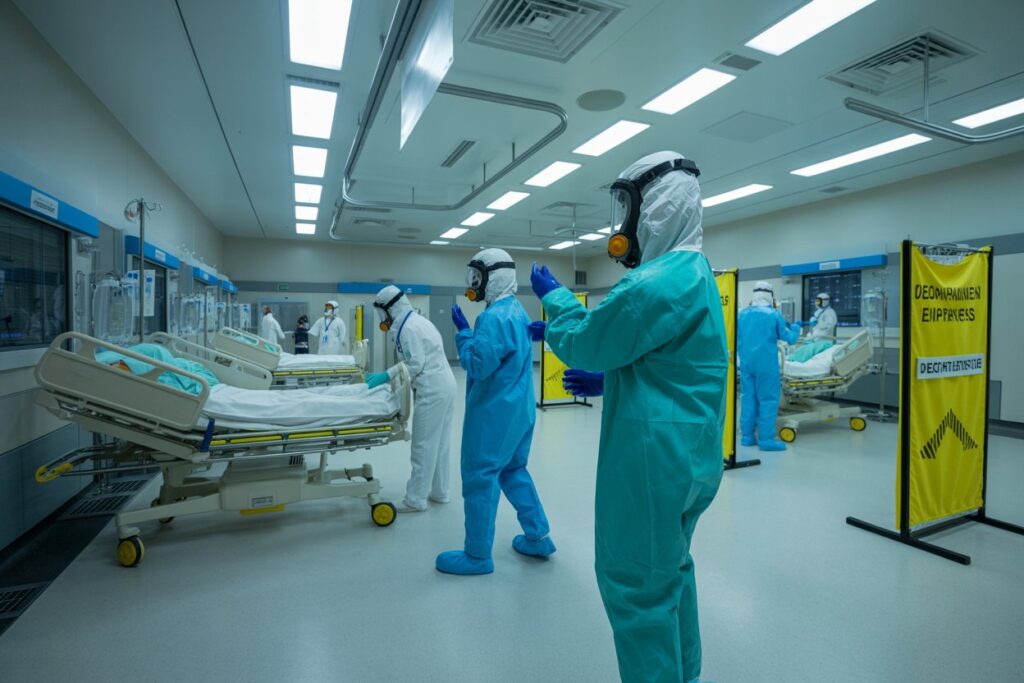
That means triaging patients quickly by severity, stabilizing critical cases with limited supplies, enforcing infection control under pressure, and coordinating with public health and emergency management teams. These aren’t skills most clinicians practice regularly — which is exactly what accredited CE courses in emergency response are built to address.
Emergency Disaster Nursing on the Frontline
Nurses in emergency departments are usually the first clinical contact during a mass casualty or bioterrorism event. Emergency disaster nursing training prepares them for conditions that look nothing like a normal shift — making triage decisions under chaos, working in full PPE inside contaminated environments, providing psychological first aid, and functioning when supplies and staff are running short.
Simulation-based training builds the kind of calm that’s hard to teach any other way.
Spotting an Outbreak Before It Spreads
One of the most valuable skills in bioterrorism preparedness is pattern recognition. Infectious disease outbreak response starts before a diagnosis is confirmed. A nurse who notices three patients in one shift sharing the same unusual symptom — and reports it immediately — can change the entire trajectory of an event.
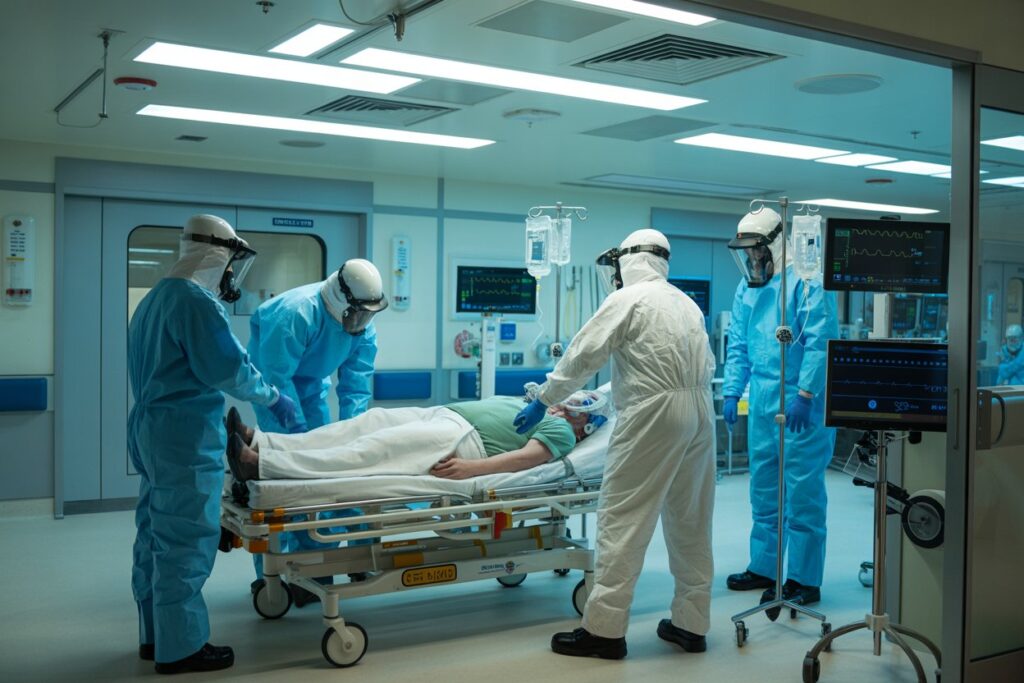
Training covers what “unusual” actually looks like clinically, when and how to escalate to infection control, initiating isolation without waiting for lab confirmation, and coordinating quickly across departments. Speed of recognition is everything. Containment is possible in the first hours; it becomes far harder after widespread exposure.
High-Risk Agents: Anthrax and Smallpox
Anthrax exposure management focuses on three priorities: identify it early, start antibiotics immediately, and decontaminate. Inhalation anthrax carries the highest mortality. Prophylactic antibiotics — ciprofloxacin or doxycycline — significantly reduce death rates when started before symptoms progress.
Smallpox was eradicated in 1980 but remains a legitimate bioterrorism concern. Smallpox emergency protocols center on airborne and contact isolation, rapid ring vaccination of exposed contacts, and coordinated public health response. Most clinicians have never seen a case, which makes training essential.
Embedding Preparedness Into Daily Operations
A common mistake is treating CBRN preparedness as something that gets activated only during a declared crisis. Effective integration looks like decontamination zones built into ED workflows, interdisciplinary response teams that cross department lines, regular drills that include all clinical staff — not just leadership — and PPE that’s accessible and regularly stocked, not locked away.
When preparedness is part of daily operations, the response during a real incident is faster and far less chaotic.
Continuing Education That Keeps You Ready
Keeping up with evolving threats requires ongoing learning. For nurses and healthcare professionals, that means CE credits in areas that directly strengthen emergency readiness:
- Nursing CEU emergency preparedness courses
- Continuing education in bioterrorism response for nurses
- Disaster management CE credits
- Infection control CEU courses online
- Hospital preparedness training CEUs
Fast CE For Less offers accredited options built for busy clinicians — practical, applicable courses that fit into a real schedule and go beyond generic overviews.
The Human Side of Crisis Response
Protocols matter. But they don’t account for everything a healthcare worker experiences during a prolonged emergency — extended shifts, impossible triage calls, ethical decisions without clean answers, and the psychological weight of crisis care.
Resilience is a clinical competency. Leadership development and psychological preparedness determine whether a team holds together or fractures when things get hard. Both deserve a place in any serious preparedness program.
Conclusion
CBRN threats and bioterrorism events aren’t hypothetical. They’ve happened, they’ve overwhelmed healthcare systems, and they will happen again. The difference between a contained response and a catastrophic one often comes down to whether the people on the ground were actually trained for it.
Investing in programs like disaster management CE credits for nurses and accredited CE courses in emergency response isn’t just about meeting licensure requirements. It’s about being genuinely ready when a patient walks through the door and nothing about their presentation makes sense — yet.
FAQs
What are CBRN threats in healthcare?
Chemical, biological, radiological, and nuclear hazards that can cause mass casualties and rapidly overwhelm standard care systems.
Why does every hospital need a bioterrorism preparedness plan?
Without a tested plan, hospitals improvise during a crisis — which costs time and lives. A solid plan gives staff clear roles and resources they can access immediately.
What does emergency disaster nursing cover?
Triage under pressure, infection control in contaminated environments, psychological first aid, and delivering care with severely limited resources.
What is mass casualty incident response?
The structured approach healthcare systems use when patient volume exceeds available resources, shifting focus to keeping the greatest number of people alive.
How is anthrax exposure managed?
Through rapid identification, prophylactic antibiotics, decontamination, and close monitoring for disease progression.
Are smallpox protocols still relevant?
Yes. Because the virus could be weaponized and most people have no immunity, clinicians need to recognize it and initiate containment immediately.
How do CEU courses in bioterrorism help?
They give healthcare professionals structured frameworks for responding to threats they may never have encountered in practice, reducing hesitation during real events.
What’s the fastest way to earn emergency readiness CE credits?
Fast CE For Less offers streamlined, accredited online courses in emergency preparedness and disaster nursing that working nurses can complete on their own schedule.