
Clinical Practice
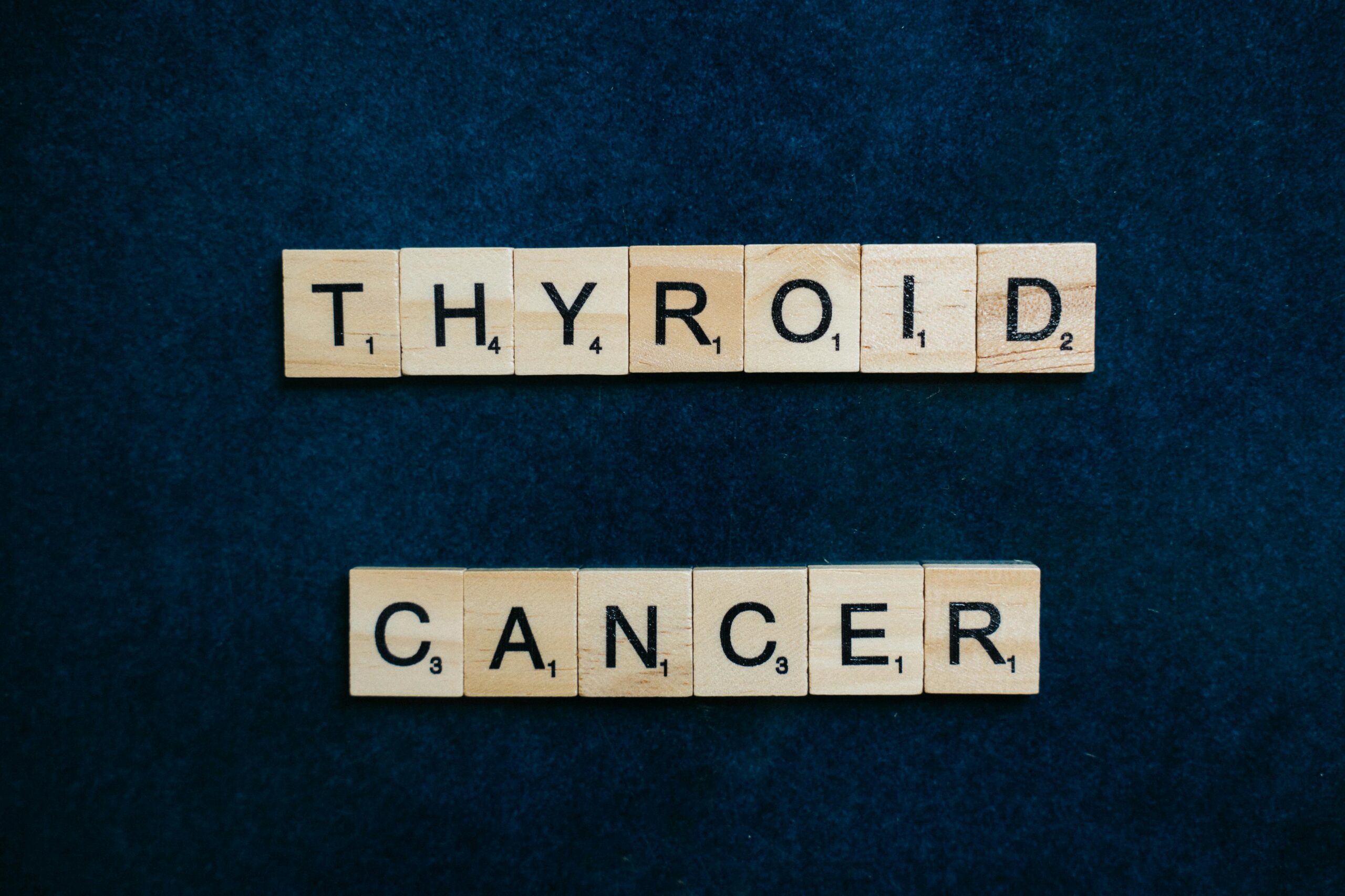
Thyroid Cancer
The thyroid is a small gland, but it plays a big role in your body. It controls how fast your body uses energy, how your heart beats, and how your body stays warm. When something goes wrong with the thyroid, it can lead to serious health problems, including cancer. As a nurse, knowing the signs,
$29.99 a year, renews yearly — cancel any time before renewal. Instant certificates.
- ✓ Board-approved provider
- ✓ Certificate the moment you finish
- ✓ Every course included
Updated 2025-12-27 · Fast CE For Less
Trusted nationwide
Accreditation you can verify

Nevada State Board of Nursing
Provider #NV000839

New York State Education Department
Approved provider
Florida Board of Nursing
Board approved
California Board of Registered Nursing
Provider #17693

CE Broker
Provider #50-30438
Ohio League for Nursing
OLN-I-3128-2025 (1 hr) · OLN-I-3189-2025 (2 hr)

Commonwealth of Pennsylvania
Provider CACE000096
The thyroid is a small gland, but it plays a big role in your body. It controls how fast your body uses energy, how your heart beats, and how your body stays warm. When something goes wrong with the thyroid, it can lead to serious health problems, including cancer. As a nurse, knowing the signs, symptoms, and treatments of thyroid conditions can help you care for your patients better. In this Fast CE For Less guide, we will cover everything from how the thyroid works to thyroid cancer, and what you need to watch for.
What Is the Thyroid?
The thyroid is a butterfly-shaped gland in your neck. It sits just in front of your windpipe (trachea). Though small, it is one of the most important glands in your body. Its job is to make thyroid hormones. These hormones control your metabolism, which affects almost every organ. They help regulate your heartbeat, body temperature, weight, energy levels, and even mood. When the thyroid produces too much or too little hormone, problems can begin.
Where Is it Located?
The thyroid sits in the front of the neck, wrapped around the windpipe (trachea). It consists of two lobes: right and left, connected by a thin strip of tissue called the isthmus. You can usually feel it as a soft swelling if you gently press on the lower front part of your neck.
What Does the Thyroid Do?
The thyroid gland produces and releases hormones, primarily thyroxine (T4) and triiodothyronine (T3). These hormones play a major role in how the body uses energy. Here’s what they help regulate:
- Metabolism – the rate at which the body burns calories
- Heart rate – how fast or slow the heart beats
- Body temperature – how warm the body stays
- Growth and development – especially critical during infancy and childhood
- Menstrual cycles – in women, the thyroid impacts reproductive health
These hormones are controlled by a feedback loop involving the pituitary gland, which produces thyroid-stimulating hormone (TSH). When T3 and T4 levels are low, the pituitary gland increases TSH production to tell the thyroid to make more hormones. When levels are high, it signals the thyroid to slow down. This balance keeps the body functioning properly.
Hypothyroidism
Hypothyroidism happens when the thyroid doesn’t make enough hormones. Think of it like your body’s engine running too slow. Everything slows down: your metabolism, your heart rate, even how you feel day to day.
It’s one of the most common thyroid disorders, especially in women over 60. If left untreated, it can lead to serious health problems, including heart disease, infertility, and even a rare condition called myxedema, which is a medical emergency.
Causes of Hypothyroidism
There are several reasons why the thyroid may slow down. Some of the most common causes include:
- Hashimoto’s thyroiditis – an autoimmune condition where the body attacks its own thyroid.
- Thyroid surgery – removing part or all of the thyroid can lower hormone production.
- Radiation therapy – often used for cancers in the neck or head, which can damage the thyroid.
- Certain medications – like lithium or amiodarone, which affect thyroid function.
- Iodine deficiency – though rare in the U.S., iodine is necessary to make thyroid hormones.
Symptoms of Hypothyroidism
Because the symptoms develop slowly, many patients don’t notice them right away. Nurses should look out for:
- Fatigue
- Weight gain
- Cold intolerance
- Constipation
- Dry skin
- Depression
- Slow heart rate
- Puffy face
- Hoarseness
- Menstrual irregularities
- Memory problems
Symptoms may vary depending on age and severity. In older adults, it can look like confusion or depression.
Hypothyroidism Treatment Options
The main treatment is daily hormone replacement therapy. Most patients take levothyroxine, a synthetic form of T4 hormone. The dose is tailored to each patient and monitored through blood tests.
Treatment is usually lifelong, but it’s highly effective. Once levels are stable, most patients feel much better.
Ready to earn your contact hours?
Every course is included in All-Access for $29.99 a year.
Hyperthyroidism
Hyperthyroidism is the opposite of hypothyroidism. The thyroid produces too much hormone, causing the body’s metabolism to speed up. It’s like your engine is revving too high all the time.
This condition can affect anyone, but it is most common in women under 40.
Causes of Hyperthyroidism
Several factors can cause the thyroid to go into overdrive, including:
- Graves’ disease – an autoimmune disorder and the most common cause.
- Thyroid nodules – lumps in the thyroid that produce excess hormone.
- Thyroiditis – inflammation of the thyroid that causes hormone leakage.
- Excess iodine intake – sometimes from medications or diet.
Symptoms of Hyperthyroidism
Symptoms develop gradually but can be intense. Nurses should watch for:
- Rapid heartbeat or palpitations
- Weight loss despite normal or increased appetite
- Nervousness, anxiety, or irritability
- Tremors in the hands
- Heat intolerance and increased sweating
- Difficulty sleeping
- Muscle weakness
- Frequent bowel movements
- Enlarged thyroid gland (goiter)
- Bulging eyes (in Graves’ disease)
If untreated, hyperthyroidism can cause serious complications like heart problems and bone loss.
Hyperthyroidism Treatment Options
Treatment depends on the cause but may include:
- Anti-thyroid medications, like methimazole, to reduce hormone production.
- Beta-blockers to control symptoms such as rapid heart rate.
- Radioactive iodine therapy to shrink or destroy part of the thyroid.
- Surgery to remove all or part of the thyroid, especially if other treatments aren’t suitable.
Nurses play a key role in monitoring patients for side effects and educating them on treatment adherence.
Graves’ Disease
Graves’ disease is the most common cause of hyperthyroidism. It’s an autoimmune disorder, which means the body’s immune system mistakenly attacks the thyroid, causing it to produce too much hormone.
Symptoms of Graves’ Disease
Graves’ disease shares many symptoms with general hyperthyroidism, but some signs are more specific, including:
- Enlarged thyroid gland (goiter) that may feel or look swollen in the neck
- Bulging eyes (exophthalmos) — the tissues around the eyes swell, causing them to appear pushed forward
- Eye irritation and dryness
- Double vision or light sensitivity
- Rapid heartbeat and palpitations
- Nervousness, anxiety, and irritability
- Weight loss despite good appetite
- Tremors in hands
- Heat intolerance and sweating
Treatment Options for Graves’ Disease
Treatment focuses on managing hyperthyroidism and relieving eye symptoms. Common approaches include:
- Anti-thyroid medications to lower hormone levels.
- Radioactive iodine therapy to reduce thyroid activity.
- Beta-blockers to control symptoms like rapid heart rate and tremors.
- Eye care treatments such as lubricating drops and, in severe cases, surgery to protect vision.
- Surgery to remove part or all of the thyroid if other treatments don’t work.
Nursing Considerations
As a nurse, your role includes:
- Monitoring vital signs and symptoms for changes.
- Educating patients on medication adherence and potential side effects.
- Supporting patients dealing with eye discomfort and helping them understand the importance of eye care.
- Encouraging regular follow-ups with healthcare providers to adjust treatments as needed.
Graves’ disease requires ongoing management, but with the right care, patients can lead healthy lives.
Thyroid Cancer
Thyroid cancer starts when cells in the thyroid gland grow uncontrollably. Though it’s not very common compared to other cancers, it is the fastest-growing cancer in some groups. Early detection is key to better outcomes.
Symptoms of Thyroid Cancer
Thyroid cancer may not cause symptoms at first. When symptoms appear, they often include:
- A lump or nodule in the neck that can be felt or seen
- Swelling in the neck
- Pain in the front of the neck, sometimes reaching the ears
- Hoarseness or voice changes
- Difficulty swallowing or breathing
- Persistent cough not related to a cold
Because many of these symptoms overlap with less serious thyroid conditions, nurses should be alert to any new or unusual signs during patient assessments.
Types of Thyroid Cancer
There are several types of thyroid cancer:
- Papillary thyroid cancer is the most common and usually grows slowly.
- Follicular thyroid cancer is less common but can spread to other parts of the body.
- Medullary thyroid cancer arises from a different type of thyroid cell and may run in families.
- Anaplastic thyroid cancer is rare and aggressive.
Treatment of Thyroid Cancer
Treatment depends on the cancer type and stage but may include:
- Surgery to remove part or all of the thyroid gland.
- Radioactive iodine therapy to destroy any remaining cancer cells.
- Thyroid hormone therapy to replace natural hormones and suppress cancer growth.
- External radiation or chemotherapy in some cases, especially for aggressive cancers.
Side Effects and Rehabilitation
Treatment side effects vary but may include:
- Temporary or permanent voice changes due to nerve damage during surgery.
- Hypocalcemia if the parathyroid glands are affected, leading to low calcium levels.
- Fatigue and hormonal imbalances requiring monitoring and adjustment.
Rehabilitation involves regular follow-ups, hormone level checks, and support for physical and emotional recovery. Nurses play a crucial role in educating patients about medication management, symptom monitoring, and lifestyle adjustments.
Survival Rates and Prognosis
Thyroid cancer generally has a good prognosis, especially when detected early. Papillary thyroid cancer has a 5-year survival rate exceeding 90%. However, outcomes depend on factors like cancer type, stage at diagnosis, and patient age.
The Role of Nurses
As a nurse, you should closely monitor your patients for any side effects during their thyroid cancer treatment. Early detection of symptoms like fatigue, changes in voice, or swelling can help prevent complications. It’s also important to educate patients on following their treatment plans carefully. Make sure they understand their medications, appointments, and any lifestyle changes needed. Your guidance can ease their fears and improve their recovery experience. By staying attentive and supportive, you play a vital role in helping patients navigate their treatment journey.
Fast CE For Less is the trusted platform for nurses seeking quality education and hassle-free compliance. Our courses, state bundles, and one-year unlimited access are tailored to help you meet your goals efficiently.
Don’t wait to take the next step in your professional journey. Visitwww.fastceforless.com today to explore our courses and start learning on your schedule.
Finish your CE today — every course for $29.99 a year
Board-approved courses, audio for every lesson and instant certificates. Renews yearly at $29.99; cancel any time before renewal.