
Clinical Practice
Strokes
Stroke is one of the leading causes of disability and death in the United States. With advances in healthcare and growing awareness, recognizing and responding to strokes quickly has become a vital part of patient care. For nurses, understanding strokes goes beyond identifying symptoms. It includes
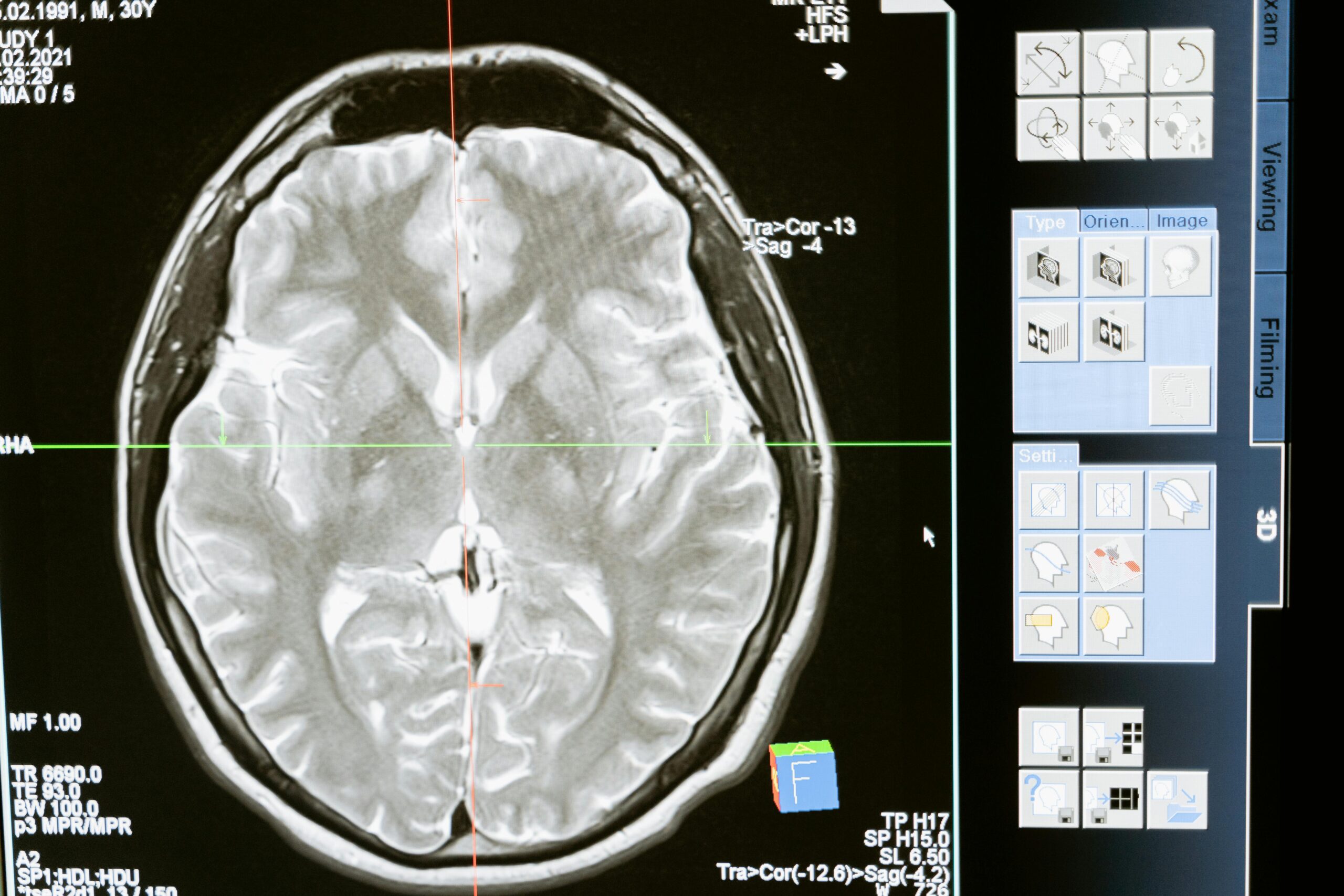
Stroke is one of the leading causes of disability and death in the United States. With advances in healthcare and growing awareness, recognizing and responding to strokes quickly has become a vital part of patient care.
For nurses, understanding strokes goes beyond identifying symptoms. It includes knowing the causes, risk factors, and treatment approaches that can save lives and reduce long-term complications. Strokes affect patients of all ages, often leaving lasting impacts on physical and cognitive function.
In this Fast CE For Less guide, we will explain what a stroke is, discuss its causes, symptoms, and types, and review treatment options and recovery care so that you can better support patients and families during every stage of stroke management.
Overview of Stroke as a Medical Emergency
A stroke occurs when the brain’s blood supply is suddenly interrupted, depriving brain tissue of oxygen and nutrients. Without immediate intervention, brain cells begin to die within minutes. The effects can range from mild weakness to complete paralysis or loss of consciousness. Because every second counts, nurses are often the first line of defense in recognizing the signs and initiating life-saving measures.
Definition and Causes of Stroke
A stroke happens when the flow of blood to a part of the brain is blocked or when a blood vessel bursts. This interruption prevents brain tissue from receiving the oxygen and nutrients it needs, leading to cell death. The severity depends on how long the brain is deprived of blood and which area is affected.
The damage may impact movement, speech, memory, or sensory functions. Prompt medical care can reduce the extent of brain injury and improve recovery outcomes.
Common Causes and Risk Factors
Several conditions and habits increase the risk of stroke. High blood pressure is the most common cause, weakening blood vessels and making them more likely to rupture or clog. A diet high in fat and cholesterol contributes to plaque buildup in arteries, restricting blood flow to the brain.
Other contributing factors include smoking, diabetes, obesity, and physical inactivity. Aneurysms, or weak spots in blood vessel walls, can also lead to a rupture and cause hemorrhagic strokes. Nurses play an important role in educating patients about these risks and encouraging lifestyle changes to help reduce them.
Symptoms and Severity of Strokes
Recognizing Early Signs
Recognizing stroke symptoms early is critical. The acronym FAST helps nurses and patients remember the main signs:
- F – Face:Drooping or uneven smile.
- A – Arms:Weakness or inability to raise one arm.
- S – Speech:Slurred or incoherent speech.
- T – Time:Immediate emergency response is essential.
Other warning signs include sudden confusion, loss of coordination, severe headache, blurred vision, or dizziness. Nurses should assess and document these symptoms carefully, as even mild signs may indicate a transient ischemic attack (TIA), which often precedes a more serious stroke.
Assessing Stroke Severity
Stroke severity varies widely. Some patients may experience temporary weakness, while others face complete paralysis or cognitive deficits. The National Institutes of Health Stroke Scale (NIHSS) is a standardized tool nurses can use to measure the level of impairment. It evaluates areas such as consciousness, speech, movement, and sensory response.
Understanding how to score and monitor patients accurately helps determine treatment urgency and track progress throughout recovery.
Types of Strokes
Overview of Major Stroke Types
There are two main types of strokes: ischemic and hemorrhagic. Ischemic strokes are caused by blocked arteries that limit blood flow to the brain. Hemorrhagic strokes occur when a blood vessel ruptures, leading to bleeding inside or around the brain.
Comparing Ischemic and Hemorrhagic Strokes
While ischemic strokes are more common, hemorrhagic strokes are often more severe. Both require immediate attention, but their treatments differ. Nurses must recognize the type based on symptoms and diagnostic imaging results, as early differentiation guides the correct course of treatment.
Ischemic Strokes and Their Subtypes
Understanding Ischemic Strokes
Ischemic strokes make up approximately 85% of all stroke cases. They occur when a blood clot or buildup of fatty deposits narrows or blocks an artery in the brain. This blockage prevents oxygen from reaching brain tissue, leading to localized damage. Early treatment can restore blood flow and minimize cell death.
Thrombotic Stroke
A thrombotic stroke occurs when a blood clot forms directly within one of the arteries supplying the brain. It usually develops slowly and may follow transient ischemic attacks, sometimes called “mini-strokes.” These temporary episodes of neurological symptoms serve as warning signs.
Thrombotic strokes are often linked to atherosclerosis, a condition caused by high cholesterol levels that lead to plaque buildup in the arteries. Nurses should educate patients about managing cholesterol and maintaining healthy blood pressure to prevent this type of stroke.
Embolic Stroke
An embolic stroke develops when a clot or fragment of plaque can occur in other places in the body, but most commonly in the heart. It can travel through the bloodstream to the brain. Once it becomes lodged in a smaller vessel, it blocks blood flow.
Patients with atrial fibrillation are at higher risk due to irregular heartbeats that can promote clot formation. Nurses should monitor cardiac rhythm, encourage medication compliance, and promote awareness of stroke symptoms in these patients.
Hemorrhagic Strokes and Their Subtypes
Understanding Hemorrhagic Strokes
Hemorrhagic strokes account for about 15% of all cases but often result in greater mortality. They occur when a weakened blood vessel ruptures and blood leaks into or around the brain. The leaked blood causes swelling and pressure that damage surrounding tissues.
Uncontrolled hypertension and aneurysms are major causes. Prompt blood pressure control and regular monitoring can help prevent hemorrhagic strokes in high-risk patients.
Intracerebral Hemorrhage
This type involves bleeding directly into the brain tissue. The buildup of blood increases intracranial pressure and can lead to sudden neurological decline. Symptoms often include headache, vomiting, and loss of consciousness.
Immediate medical intervention is essential, and surgery may be needed to remove the clot or relieve pressure. Nurses are responsible for monitoring vital signs and neurological status continuously in the acute phase.
Subarachnoid Hemorrhage
A subarachnoid hemorrhage involves bleeding in the space between the brain and the thin tissues covering it. It is most often caused by a ruptured aneurysm. Patients frequently describe the pain as the “worst headache of their life.”
Other symptoms may include neck stiffness, nausea, and sensitivity to light. Prompt imaging and surgical management are critical. Post-treatment, nurses monitor for complications such as vasospasm and rebleeding.
Treatment and Rehabilitation
Immediate Medical Treatment
For ischemic strokes, quick action can mean the difference between recovery and permanent disability. Thrombolytic therapy with tissue plasminogen activator (tPA) can dissolve clots if administered within 3 to 4.5 hours of symptom onset. Nurses play a key role in ensuring prompt triage, maintaining IV access, and preparing patients for imaging.
In hemorrhagic strokes, treatment focuses on stopping the bleeding and reducing pressure within the brain. Surgery may be necessary to repair damaged vessels or remove accumulated blood. Stabilizing vital signs and managing intracranial pressure are essential steps during this phase.
Rehabilitation Therapies
Rehabilitation is an ongoing process that helps patients regain independence and function. Nurses are vital in coordinating and supporting these therapies:
- Physical therapy:Focuses on restoring movement, strength, and balance.
- Occupational therapy:Helps patients relearn daily activities such as dressing, bathing, and eating.
- Speech therapy:Addresses communication difficulties and swallowing problems caused by neurological damage.
Each patient’s progress depends on the type of stroke, affected brain area, and timing of therapy initiation.
Role of Nurses in Stroke Recovery
Nurses provide continuous support through every stage of stroke care. You monitor vital signs, assess neurological changes, and reinforce adherence to prescribed medications. Patient education is crucial, helping individuals understand risk factors, medication schedules, and warning signs of recurrence.
You also serve as an emotional support resource, assisting families in coping with lifestyle adjustments and long-term recovery challenges.
Recovery Period and Long-Term Care
Duration and Stages of Recovery
Recovery timelines vary greatly. Some patients show improvement within weeks, while others require months or years of therapy. Early intervention and consistent rehabilitation can significantly improve outcomes.
During recovery, patients may experience fatigue, mood changes, or cognitive difficulties. Nurses should encourage patience and perseverance while monitoring for complications such as depression or infection.
Supporting Patients Through Recovery
Long-term recovery involves teamwork among nurses, physicians, therapists, and family members. Nurses can promote lifestyle modifications such as healthy eating, maintaining normal blood pressure, quitting smoking, and engaging in safe physical activity.
Continued education helps patients and caregivers understand preventive strategies and recognize early signs of recurrent stroke. Follow-up visits provide opportunities to review medications and monitor progress.
Conclusion
If you have not completed your nursing continuing education requirements to renew your license and want to learn more, online nursing CEUs offered by Fast CE For Less can help.To access flexible and affordable nursing continuing education courses and state bundles, visit www.fastceforless.com.
Unlimited nursing CE for $29.99 a year
Board-approved courses with natural-sounding audio for every lesson, instant certificates, and full accessibility support.
See what's included