
Pharmacology
Safe Heparin Use
As a nurse, you administer a wide range of medications to effectively treat patients. It is critical for you to understand a medication’s use, dose, and potential side effects to ensure patient safety during administration. Without proper administration, many of the drugs you administer to patients
$29.99 a year, renews yearly — cancel any time before renewal. Instant certificates.
- ✓ Board-approved provider
- ✓ Certificate the moment you finish
- ✓ Every course included
Updated 2023-08-28 · Fast CE For Less
Trusted nationwide
Accreditation you can verify

Nevada State Board of Nursing
Provider #NV000839

New York State Education Department
Approved provider
Florida Board of Nursing
Board approved

California Board of Registered Nursing
Provider #17693

CE Broker
Provider #50-30438

Ohio League for Nursing
OLN-I-3128-2025 (1 hr) · OLN-I-3189-2025 (2 hr)

Commonwealth of Pennsylvania
Provider CACE000096
As a nurse, you administer a wide range of medications to effectively treat patients. It is critical for you to understand a medication’s use, dose, and potential side effects to ensure patient safety during administration. Without proper administration, many of the drugs you administer to patients can have potentially dangerous effects. Fast CE For Less has created this guide to provide you with a quick overview of Heparin, its use, dose, and potential side effects. Before we get into the guide, you must note that this is only a guide. If you are unfamiliar with Heparin, further consultation is necessary prior to administering it to patients. You must not consider this information as a substitute for qualified medical advice.
What is Heparin?
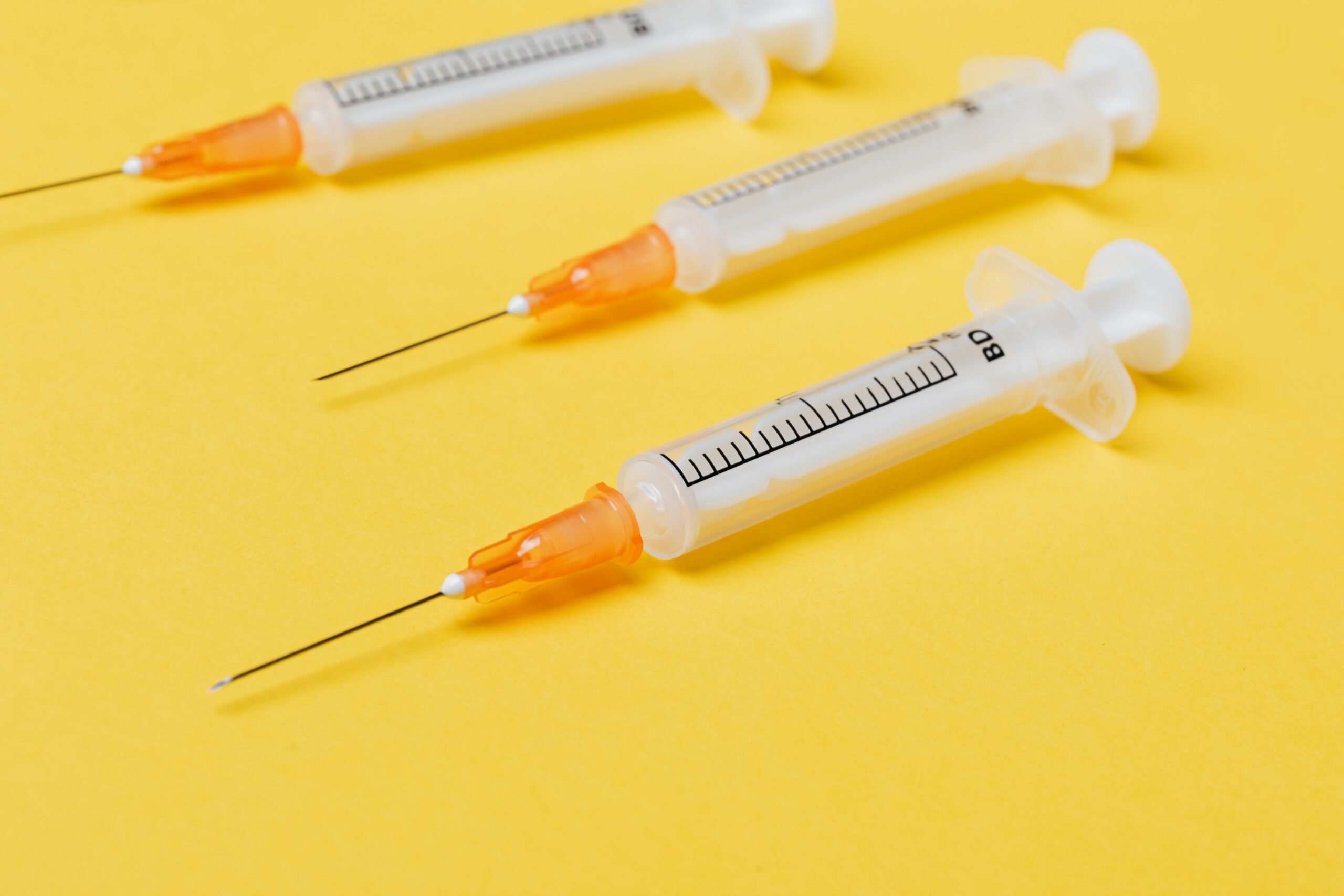
Heparin, also called unfractionated heparin (UFH) is considered a high-alert anticoagulant medication. Anticoagulants like heparin prevent the formation of clots and increase in size of existing clots within the blood. While heparin itself does not break down clots that have already formed, it allows the body’s natural fibrinolysis mechanisms to break down clots that have formed.
Heparin Use
Heparin is administered to patients at risk of developing blood clots from the following conditions:
- Acute Coronary Syndrome
- Atrial Fibrillation
- Cardiopulmonary Bypass during Heart Surgery
- Central and Peripheral Catheters
- Deep Vein Thrombosis
- Extracorporeal Membrane Oxygenation (ECMO)
- Hemofiltration
- Pulmonary Embolism
Ready to earn your contact hours?
Every course is included in All-Access for $29.99 a year.
Side Effects of Heparin
As with any drug, there are several potential side effects of using Heparin. This section of the guide will cover the common and severe heparin side effects you must know of as a nurse.
Side Effects
- Bleeding can take longer to control
- Liver function test results may show increased levels of liver enzymes in the blood
- The patient may develop bruises more easily
- The site of injection can become irritable or develop sores, pain, and redness
When mild, these side effects may dissipate on their own in a few days to a few weeks.
Adverse Effects
Heparin may have more severe side effects in some people. A healthcare professional should be consulted immediately if any of the following adverse effects develop.
- Blood or blood clots when coughing
- Dizziness
- Headaches
- Pink or brown urine
- Rash and hives
- Severe bleeding
- Skin tissue death on injection site
- Vomit containing blood
- Weakness
Another severe side effect possible with heparin use is heparin-induced thrombocytopenia. Long-term use of heparin may result in a significant reduction of platelet levels in the blood. This can worsen blood clots, create new ones, and increase the risk of a heart attack or stroke.
Heparin Dose Ranges
Available in the form of an injectable solution, ideal heparin dosages can vary based on the patient and the condition being treated. This section will share a quick overview of heparin common dosage ranges.
Deep vein thrombosis and pulmonary embolism
- Prophylaxis 5000 units SC every 8-12 hours, OR
- 7500 units SC every 12 hours
- Treatment 80 units/kg IV bolus, THEN continuous infusion of 18 units/kg/hr, OR
- 5000 units IV bolus, THEN continuous infusion of 1300 units/hr, OR
STEMI
- Patient on fibrinolytics: IV bolus of 60 units/kg (max: 4000 units), THEN 12 units/kg/hr (max 1000 units/hr) as continuous IV infusion
- Dose should be adjusted to maintain aPTT of 50-70 seconds
Unstable Angina/NSTEMI
- Initial IV bolus of 60-70 units/kg (max: 5000 units), THEN initial IV infusion of 12-15 units/kg/hr (max: 1000 units/hr)
- Dose should be adjusted to maintain aPTT of 50-70 seconds
Anticoagulation
- Intermittent IV injection 8000-10,000 units IV initially, THEN 50-70 units/kg (5000-10,000 units) every 4-6 hours
- Continuous IV infusion 5000 units IV injection, followed by continuous IV infusion of 20,000-40,000 units/24 hours
It is essential to note that we aim to provide you with the most current and relevant information. Because drugs can impact each person differently, we cannot offer a guarantee that this list contains all possible dosages. We have created this post to help nurses develop a better understanding of safe heparin use.
If the time to renew your credentials is near, you should consider pursuing relevant nursing continuing education courses to expand your knowledge. Online nursing CEUs like those available at www.FastCEForLess.com offer you a convenient and easy way to complete your nursing continuing education requirements for license renewal.
Finish your CE today — every course for $29.99 a year
Board-approved courses, audio for every lesson and instant certificates. Renews yearly at $29.99; cancel any time before renewal.