An elderly parent stops returning calls. When you finally visit, the fridge is empty and unpaid bills sit in a pile by the door.
These details rarely read as an emergency. They read as “she’s just getting older” or “he’s always been stubborn.”
That assumption costs people their health, and sometimes their lives. State elder-services agencies rank elder self-neglect among the most common forms of elder abuse, and it often goes unnoticed until a fall, an infection, or a hospital stay forces the issue.
This guide breaks down the real warning signs, why they get missed, and the exact steps to take once you spot them.
What Is Elder Self-Neglect?
Self-neglect happens when an older adult can no longer meet their own basic needs for food, water, hygiene, medication, shelter, or safety. The journal Clinical Interventions in Aging defines it as a refusal or failure to provide oneself with care and protection across these same areas.
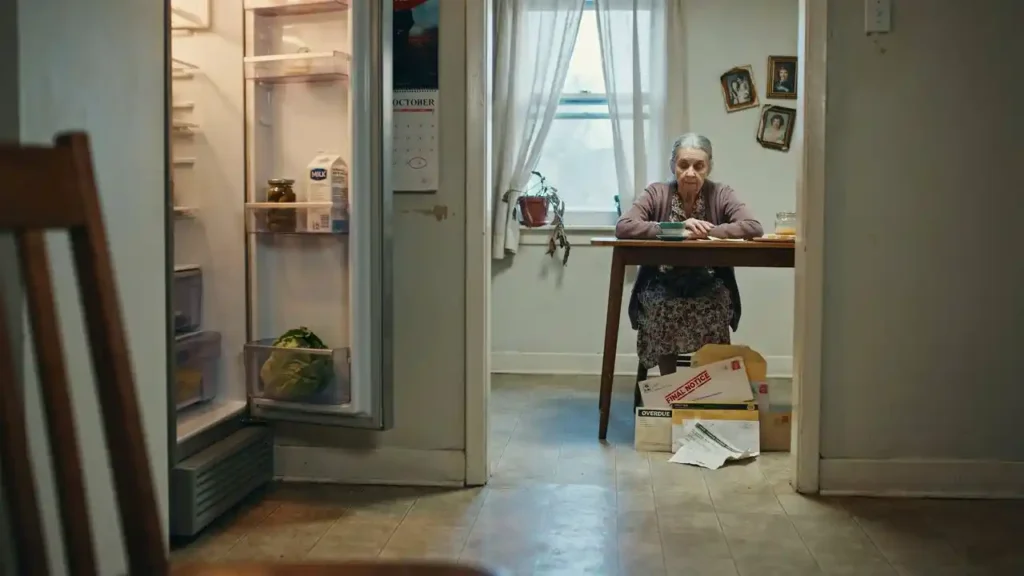
It is not the same as neglect by a caregiver. The older adult is failing to care for themselves, often because of cognitive decline, depression, isolation, or physical limits that make daily tasks harder to manage.
U.S. Census data shows roughly one in four adults 65 and older live alone. That raises the risk significantly. Without someone checking in regularly, the signs build slowly and stay hidden.
Who Is Most at Risk
Self-neglect doesn’t affect every older adult equally. A few factors raise the odds significantly.
Living alone tops the list, especially without regular visits from family or friends. Chronic conditions like dementia, depression, or mobility loss also make daily self-care harder to sustain.
Financial stress plays a role too. An older adult juggling a fixed income may skip medications or meals to cover rent or utilities, and never mention it.
Social isolation ties all of these together. The fewer people checking in, the longer self-neglect goes unnoticed and the further it can progress.
Warning Signs You Should Never Ignore
Self-neglect rarely announces itself. It shows up in small details that add up over weeks or months.
Physical Signs
- Noticeable weight loss or a fridge with spoiled or missing food
- Poor hygiene, unwashed hair, or the same clothes worn repeatedly
- Unexplained bruising or trouble getting up from a chair
- Medications that are expired, unfilled, or taken incorrectly
Home Environment Signs
- Unpaid bills, shut-off notices, or unopened mail piling up
- Broken locks, faulty wiring, or a lack of heat or running water
- Hoarding, clutter blocking exits, or a strong, unusual odor
- Pest infestations or visible structural damage
Behavioral and Emotional Signs
- Missed doctor’s appointments or refusal to see a physician
- Withdrawal from friends, family, or regular activities
- Confusion with routine tasks like paying bills or cooking
- Insisting “everything is fine” when it clearly isn’t
Why Self-Neglect Gets Missed So Often
Families often assume independence and messiness are the same thing. They aren’t.
Older adults also hide the problem on purpose. Admitting they need help can feel like losing their independence, so they minimize or deny what’s happening.
Distance makes it worse. Family members who visit only occasionally miss the gradual decline that someone seeing the person daily would catch right away.
What To Do If You Suspect Self-Neglect
- Document specific examples. Note dates and exact observations instead of general impressions like “things seem off.”
- Start a direct, calm conversation. Ask open questions about how they’re managing meals, bills, and medications.
- Involve a doctor. Physical or cognitive decline often has a treatable medical cause behind it.
- Contact Adult Protective Services. APS can assess the situation and connect the person with resources. Most states accept anonymous reports.
- Call 911 immediately if the person is in immediate danger.
Why This Matters for Nurses and Caregivers
Nurses are usually the first professionals to notice these signs, whether during a home visit, a clinic appointment, or a hospital admission. Catching self-neglect early changes outcomes and can prevent a hospitalization that timely intervention would have avoided.
A patient’s chart rarely says “self-neglect.” Instead, it shows up as a pattern: repeat admissions for dehydration, a medication list that doesn’t match what the patient describes taking, or a home health referral the family keeps turning down. Nurses who know what to look for can flag these patterns before they turn into a crisis.
That’s why elder abuse and self-neglect training shows up so often in nursing continuing education requirements. It sharpens skills you already use every shift, supports mandatory reporting obligations, and keeps your license current at the same time.
Renew Your Nursing License the Easy Way

Continuing education for nursing license renewal doesn’t have to eat up your weekend or your paycheck.
Every course on our site is built around the same idea: no proctored exam, no long lectures, and no wasted time. You work through the material online, on your own schedule, and download your certificate as soon as you finish. New visitors can start with our free nursing CEUs, including free courses built for nurse practitioners, before ever entering a card number.
Once you’re ready for paid courses, our pricing runs lower than most other continuing education providers for nurses, and the checkout takes minutes. This course covers the exact material your board requires for nurse license renewal, and it takes about two hours from start to certificate.
Take the Next Step
Don’t wait for a fall or an ER visit to confirm what you already suspect. Document what you’re seeing today, and start the conversation this week.
If you’re due for renewal, take the elder abuse and self-neglect course now and get your certificate in about two hours.
Frequently Asked Questions
What’s the difference between elder abuse and elder self-neglect?
Elder abuse involves harm caused by another person. Self-neglect happens when an older adult can no longer meet their own basic needs, with no outside abuser involved.
Is self-neglect legally considered a form of elder abuse?
In most states, yes. Adult Protective Services treats self-neglect reports the same way it treats abuse reports and investigates using the same process.
Can I report self-neglect if I’m not a mandatory reporter?
Yes. Anyone can contact Adult Protective Services, and most states allow anonymous reports.
How fast do self-neglect cases usually get worse?
It varies, but untreated cases often decline over weeks or months as missed medications, poor nutrition, and unsafe home conditions compound each other.
Do I need a course specifically on self-neglect for my nursing CEU requirements?
Most state boards require CEUs covering elder abuse recognition, and self-neglect typically falls under that requirement. Check your board’s specific list before enrolling.